
Buying Stock During the Coronavirus Share Market Crash
I’m going to do it, then tell you the raw truth about what really happened

It starts in sickness, then ends in poverty. People all over the world are in a state of panic because despite there being a bull market right now, the share market is crashing in response to the increased spread of coronavirus.
Reports in New Zealand are of increased public panic after the first case of coronavirus infection was reported in Auckland. Supermarket giant ‘Pack ‘n’ Save’ has had to restrict access to their stores as ‘panic-shoppers’ fill stores to over-capacity while trying to stock their shelves at home.
Stores are initiating a “one in, one out” policy, allowing shoppers into their stores only as other shoppers leave. They’re also restricting hand sanitiser purchases to one per person.
Representatives for public health are asking New Zealanders to calm down, and are reminding them that the risk of infection is very low. Pack n Save executive Chris Quin is urging shoppers on the company’s social media pages to shop as normal, and is reminding them that the company has enough supplies for everyone.
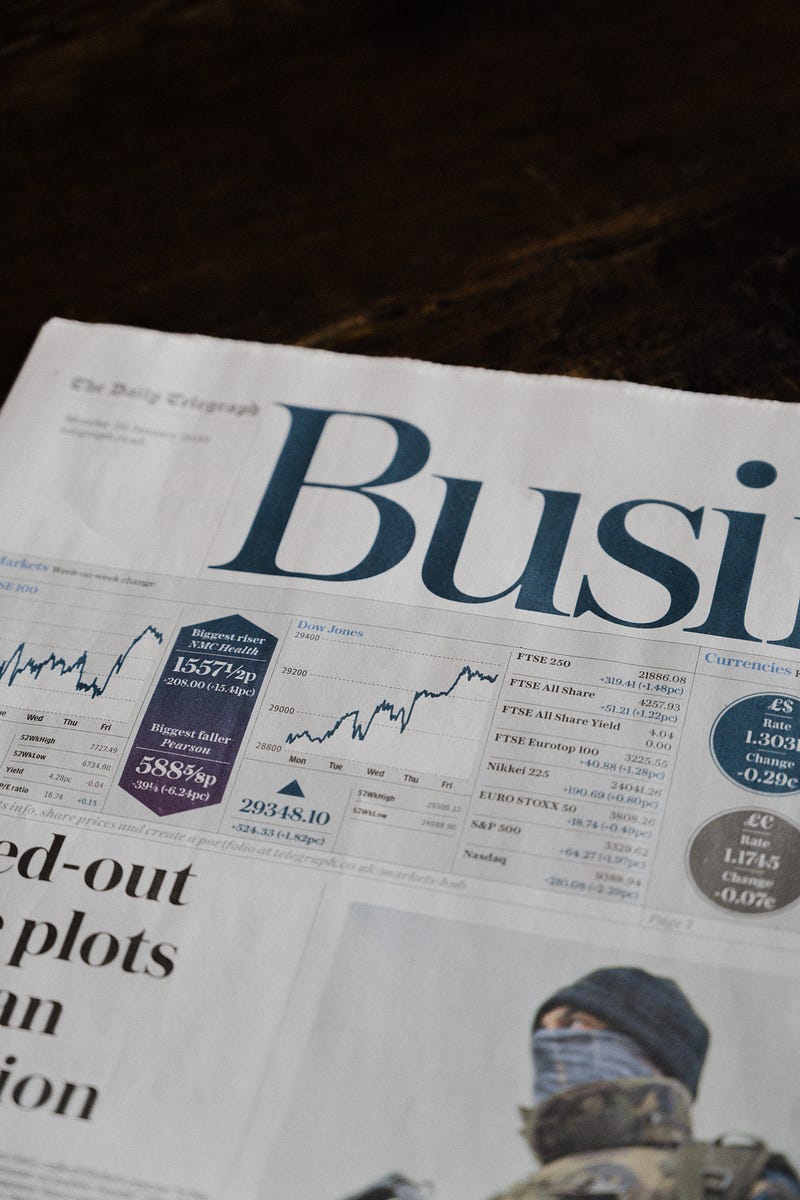
Public Crisis = Shares Plummet Further
The more the public continues to panic, the worse the stock market will perform. Partially hinged on investor confidence, company shares can’t bounce back until the people regain their composure.
In response to the crash, some investors are starting to sell their positions. But this response is the worst possible move they could be making in my opinion.
Selling shares after they lose their value ensures that you’ve made a loss on your investment. However, eventually the crisis will pass, and the shares will bounce back to normal. If you’re still holding onto your original position, you’ll bounce back to where you were in the beginning. However, if you actually buy shares during the crisis, your position may end up a lot better at the end of the crisis than what it was at the beginning.
Buying shares during the crisis is risky, and sane financial planners would probably never recommend it. The risk is that some companies won’t bounce back from this. Some will find the crisis too stressful to the bottom line and will cave under the pressure. Even institutional companies that you’d expect not to go under may tank if alternatives are founded during the crisis that serve the public better. I’m expecting this to happen to ports, airlines, and potentially banks and lending institutions.
The Risk Is Now Mine
The risk is large, but I’m going to take a modest swing at this rare opportunity to invest during a public health panic-induced crisis.
I’m not going to invest an amount that’s greater than what I would feel crushed to lose, and I won’t be using any of the money that I’ve earned from my full-time job.
Instead, I’ll be investing some of the money I’ve earned from passive and side income streams. Every month I receive money from Medium, Amazon KDP, and investment properties. This is income I see as a “bonus” and isn’t income I rely on.
I acknowledge that all money is money, and that you should never actively throw money away or be intentionally wasteful. But losing this money won’t have the same level of consequence to my mental health that losing my salary probably would.
I’m not investing the money in this risky idea as an expensive stunt; I’m doing so because I genuinely feel that the market will turn around and I’ll make a profit.
So with that in mind, I’m going to invest $2,000 (New Zealand dollars) in New Zealand based companies that have lost an enormous amount of value, but I believe will bounce back.
Disclaimer
This is a risk that I’m taking after a lot of thought and careful consideration. I’ve factored in my earnings, spending, the stage of life I’m in, and my future.
Please do not use this story as inspiration to try it yourself. Instead, laugh at my ridiculous decision and come back regularly to read follow-up posts informing you of the truth of what’s progressed. I’ll be running this experiment as a column on the front page of the Money Clip publication.
Any earnings or losses I’ve sustained I will report honestly and openly. Once again, I don’t recommend that you try this. Please make no investments without consulting a licensed and fiduciary financial advisor.
With that said, let’s get started.
The Companies
Here are the companies I will invest the $2,000 in. I will invest the money in approximately one week.
These companies have been chosen based on their value before the crisis, and how far they’ve fallen since it started. They are companies that performed well before the crisis began, indicating that if the crisis didn’t happen, their value wouldn’t have plummeted. They’re also important companies that I believe hold enough value to be at limited risk of bankruptcy.
Here they are,
Synlait Milk; SML: Down 42.97% ANZ Bank; ANZ: Down 10.85% Westpac Bank; WBC: Down 11.81% Air New Zealand; AIR: Down 17.24% (this percentage is what I have lost since buying the shares I already own in the company. I plan to buy more). Port of Tauranga; POT: Down 17.00%
US Large Growth Fund; USG: Down 2.14%
I don’t yet know what percentage each company will get of the $2,000, so I’ll report back once the investment has been made in about a week.
If you’re interested in seeing how this plays out, follow Money Clip to see every update as they come. I’m confident I’ll make a profit eventually, but I’ll keep reporting back whether I win or lose.
In spite of what you hear on the news, it’s rare that companies that are important to a country go bankrupt, especially over a situation like this.
Scammers on YouTube try to make you believe that share trading is a short-term way to make millions, but that’s absolutely wrong. Share trading is a long term investment, because public companies always experience highs and lows over many years. The low times aren’t the time to panic and sell; they’re the time to buy. This is what I believe, and now is the time to test my beliefs.
I’ve written an update! Click below to read what happened next:
Further disclaimer: do not make any financial decisions without consulting a professional financial planner. Nothing in this article constitutes financial advice. This is my account of what I plan to do with my money, nothing more.


