
Buying Old Lonely Planets Is My New Kink
I see you there, writing in the margins
The first time I used a guidebook was in Hanoi. It was rough or lonely, a small piece of comfort in the uncomfortable experience of my first trip abroad. I clung to that thing like a religious fanatic clings to the bible, poring over the pages in the hope it might reveal some of the mysteries of the mysterious place I had found myself.
On my first night in the country, I went to what was pitched on those pages as the best bar in Hanoi, only to find that I was the only person there. Until, of course, another solo traveller turned up, clinging to the exact same guidebook that had brought me there in the first place. I went home that night, tossed my first [and last] guidebook in the bin, and my travels have been forever better for it.
Guidebooks, you see, were always a bit shit.
The world moves too quickly to be captured by a slow, lumbering machine like print media. Travel is an ever-changing beast and what was here today is likely to be gone tomorrow before the ink is even dry.
But recently, I’ve discovered a new joy in finding old guidebooks and collecting them from thrift stores and the community book exchanges where all these ancient relics seem to end up. There is something quite amazing about flipping through the pages of these old guidebooks and reading about places that you know and love, captured in a snapshot in time.
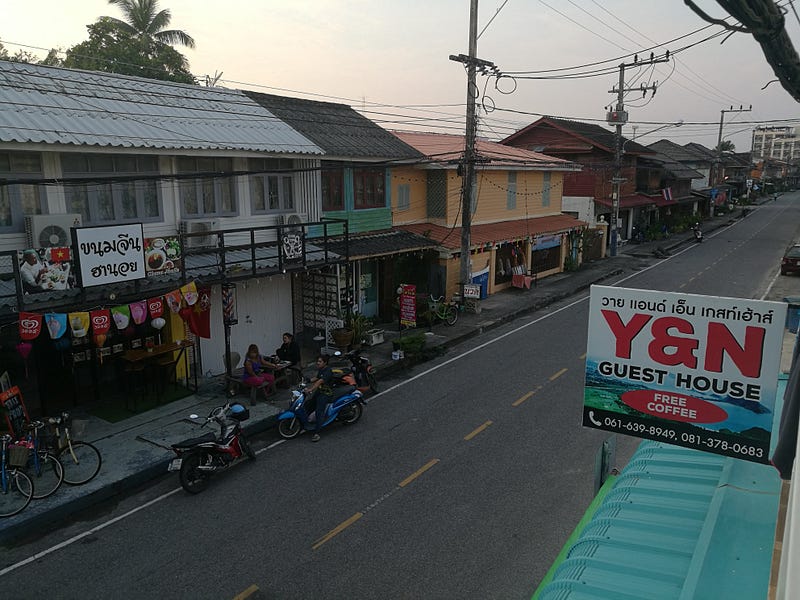
Is Wendy House still ‘easily the slickest and most modern digs on the street’ in Siam Square?
Nope, it’s permanently closed.
But for a small, beautiful moment, there it was, offering ‘wireless access in the lobby’ with staff ‘who are especially eager to please,’ according to this writer from my salvaged copy of Lonely Planet’s southeast asia on a shoestring [their aversion to grammatical norms of capitalisation was how you knew it was cool].
This copy is from 2008 which is the same time as my backpacking journey through Southeast Asia, which saw me spend three months between Thailand, Laos, and Cambodia. The trip was one of the most formative times in my life. It was here that I first started to feel confident in my skin, grew my hair long, got a tattoo, rode motorbikes, and left little pieces of myself in places far away.
There is something I find so comforting when reading about Laos and being reminded of all the things I did while I was young, stupid, and in Vientiane. The bar, Borpennyang [translation: ‘no worries’ in Lao], was where my friends and I sat on the rooftop drinking Beer Lao and watching the sun set over the Mekong. Or the bizarrely named Lunar 36 Nightclub [36 what?] which was the only place open past midnight and where I grinded up against the Korean ambassador to Laos.
Good times.
It’s one thing buying a new guidebook which is clean and fresh but another thing entirely to buy one that is well-loved and well-worn, a dog-eared collection of notes and itineraries that can give you a window into the person who owned it before you. This copy, in particular, is full of notes in the margins. There are maps that have been scribbled all over, leaving trails for me to follow as I daydream about who they were and how wonderful their trip was.
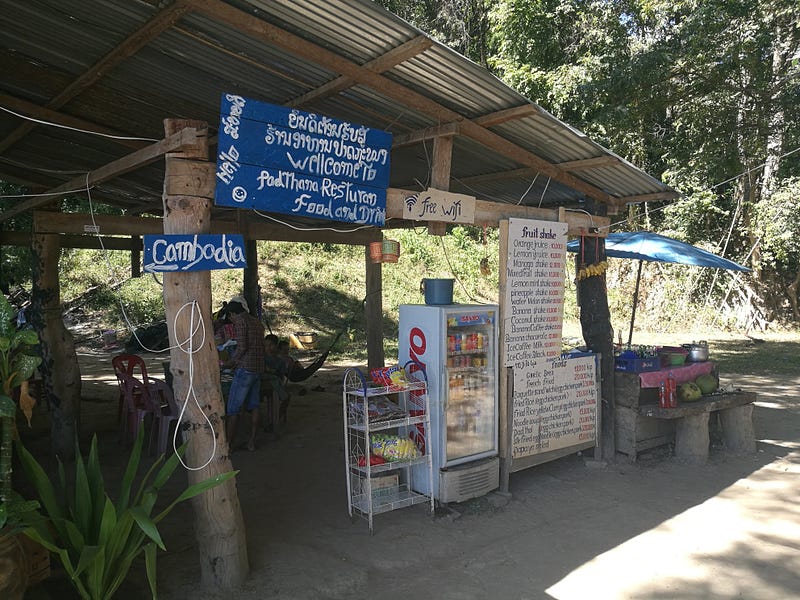
This person goes into extensive notes about temple ruins, cooking classes, and rafting in Chiang Mai. They hiked the tea plantations in Mae Salong, did a hilltop trek, went caving, and did ‘lots of ancient stuff’ in Sukhothai. They stayed in jungle huts and went jumping off waterfalls in Kanchanaburi whereas Koh Phangan, Koh Tao, and Krabi were left with little more than an underline in pen.
These notes make me think I would have liked this person. I would have shared a cigarette with them at a border crossing or a beer on the balcony of a guesthouse. Their guidebook has made me fall back in love with the painful nostalgia of travel and started my new quest to collect more of them, holding on to these moments in time lest they slip away.
Guidebooks have become relics of the past and while I don’t bemoan their demise, I do feel a pang of sadness of what it represents; the end of what was quite a magical period in the world of travel.
There was nothing quite like hastily scrawling down the directions to a hostel in Riga and trying to decipher your hieroglyphics at eleven o’clock at night, staggered around the cobblestone streets as you looked for somewhere to sleep. Or that feeling of stumbling across an amazing restaurant without looking to see how many stars it has on Google beforehand. Convenience, it seems, can be both a blessing and a curse.
And while I don’t long to go back to the way things were, what with my terrible sense of direction and the sheer amount of horrendous places I’ve stayed, eaten, and visited, I do miss the old charm of meeting a fellow traveller, arranging to meet at a predetermined spot, and then never seeing them again.
I think that the true beauty of guidebooks wasn’t about telling you how to travel to a place but simply telling you that you should travel there.
And you should travel there, wherever ‘there’ is. It opens the mind, expands the stomach, and helps you feel like you’re not just a small part of a very big world. It breaks down the barriers that we spend our whole lives building and teaches us the greatest thing we’ll ever learn, which is that we know next to nothing.


