avatarJane Frost (Jane Grows Garden Rooms)

Free AI web copilot to create summaries, insights and extended knowledge, download it at here

399

Abstract

lars and eggs. They are inevitably rewarded for their efforts.</p><p id="429c">First described during Captain James Cook’s 1769 voyage, this plant had been used for centuries.</p><p id="d38c">Indigenous Australian women and newborn babies ate the seeds.</p><p id="5b92">The bark was used for fishing nets and dyes.</p><p id="d4b9">It was used medicinally to treat ailments including coughs, malaria,

Options

burns and centipede bites.</p><p id="33da">The wood was used for construction and the tough fibrous bark was used to make traditional mats in Samoa.</p><p id="4961">Want biodiversity? Plant Native Mulberry!</p><p id="593b">A few moments of close observation reveals species galore. From the Eastern Sedge Frogs to Rainbow Lorikeets to countless insects, I am never disappointed.</p></article></body>

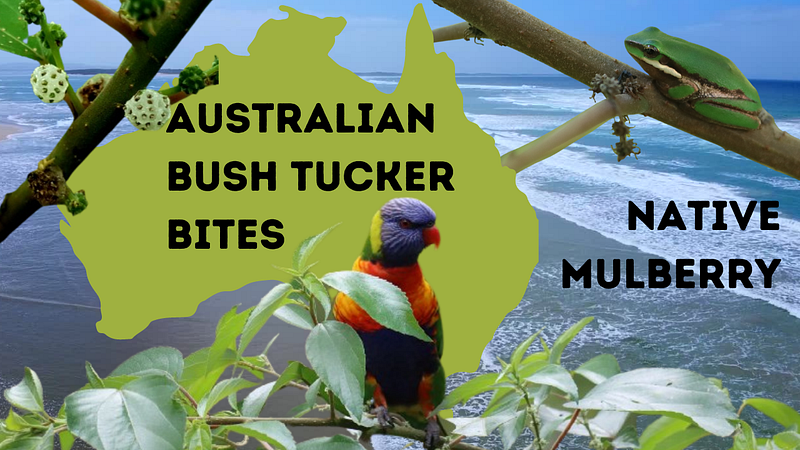
Graphic by Author

Australian Bush Tucker Bites presents Native Mulberry (Pipturus argenteus).

My children are regularly drawn to the tree to gather and gobble the tiny sweet fruits or search for caterpillars and eggs. They are inevitably rewarded for their efforts.

First described during Captain James Cook’s 1769 voyage, this plant had been used for centuries.

Indigenous Australian women and newborn babies ate the seeds.

The bark was used for fishing nets and dyes.

It was used medicinally to treat ailments including coughs, malaria, burns and centipede bites.

The wood was used for construction and the tough fibrous bark was used to make traditional mats in Samoa.

Want biodiversity? Plant Native Mulberry!

A few moments of close observation reveals species galore. From the Eastern Sedge Frogs to Rainbow Lorikeets to countless insects, I am never disappointed.

Walkabout
Bush Tucker
Australia
Medicinal Plants
Plants
Recommended from ReadMedium