
Burnout: What It Is, How to Avoid It, and How to Recover
I have experienced burnout on several occasions. It is a difficult and draining state, but it is important to remember that it is also temporary. With time and effort, it is possible to recover from burnout and return to a healthy and productive work-life balance.
One of the first signs of burnout for me is a decrease in motivation. I start to feel less interested in my work and find it difficult to focus. I may also become more irritable and impatient. If I ignore these early signs, burnout can quickly spiral out of control.
Another sign of burnout for me is a decline in productivity. I may start to procrastinate more, and my work quality may suffer. I may also start to make more mistakes.
“Burnout is what happens when you give too much of yourself to one thing, without giving enough back to yourself.” — Oprah Winfrey
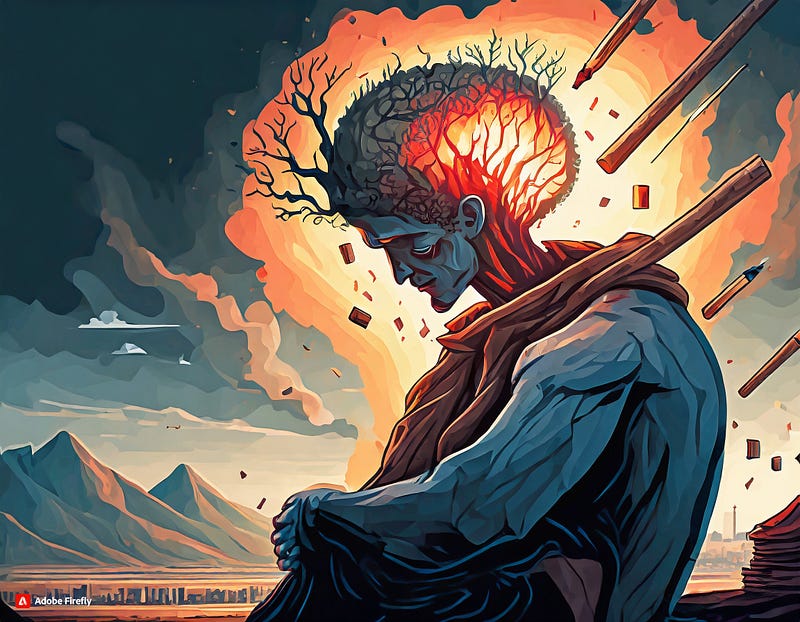
What is Burnout?
Burnout is a state of emotional, physical, and mental exhaustion caused by prolonged or excessive stress. It can manifest in a variety of ways, including:
- Emotional exhaustion: Feeling emotionally drained, overwhelmed, and apathetic.
- Physical exhaustion: Feeling tired and fatigued all the time, even after getting enough sleep.
- Mental exhaustion: Feeling difficulty concentrating, making decisions, and remembering things.
- Reduced productivity: Feeling unable to focus and complete tasks effectively.
- Cynicism and detachment: Feeling negative and uninterested in work and other activities.
Burnout can affect anyone, regardless of age, profession, or socioeconomic status. However, it is more common in people who work in high-stress jobs, such as healthcare, education, and customer service.
How to Avoid Burnout
There are a number of things you can do to avoid burnout, including:
- Set realistic expectations. Don’t try to do too much at once, and don’t be afraid to say no to new commitments.
- Take breaks. Get up and move around every hour or two, and take a longer break for lunch.
- Delegate tasks. If you have the ability, delegate tasks to others so you don’t have to do everything yourself.
- Take time for yourself. Make sure to schedule time for activities that you enjoy and that help you relax.
- Connect with others. Spend time with supportive friends and family members, and get involved in activities that help you feel connected to your community.
How to Recover from Burnout
If you are experiencing burnout, it is important to take steps to recover. This may involve:
- Taking a break from work. If possible, take a vacation or leave of absence to give yourself time to rest and recharge.
- Seeking professional help. A therapist can help you identify the root causes of your burnout and develop strategies for coping and recovering.
- Making lifestyle changes. Make sure you are getting enough sleep, eating a healthy diet, and exercising regularly. You may also want to consider stress-management techniques such as yoga or meditation.
Causes of Burnout
There are a number of factors that can contribute to burnout, including:
- Work overload. Working too many hours or having too much on your plate can lead to burnout.
- Lack of control. Feeling like you have no control over your work or your life can also contribute to burnout.
- Unrealistic expectations. Setting unrealistic expectations for yourself or having high expectations placed on you by others can lead to burnout.
- Lack of support. Not having supportive colleagues, friends, or family members can also make it more difficult to cope with stress and avoid burnout.
Symptoms of Burnout
The symptoms of burnout can vary from person to person, but some common symptoms include:
- Emotional exhaustion
- Physical exhaustion
- Mental exhaustion
- Reduced productivity
- Cynicism and detachment
- Changes in sleep patterns
- Changes in appetite
- Headaches
- Stomach problems
- Muscle pain
- Difficulty concentrating
- Making decisions
- Remembering things
- Increased irritability
- Withdrawal from social activities
Best Books About Burnout
Here are some of the best books about burnout, with short descriptions:
- Burnout: The Secret to Unlocking the Stress Cycle by Emily Nagoski and Amelia Nagoski: This book provides a scientific explanation of burnout and offers practical strategies for recovery.
- Can’t Even: How Millennials Became the Burnout Generation by Anne Helen Petersen: This book examines the cultural and economic factors that contribute to burnout, and offers advice on how to cope.
- Burnout to Breakthrough: Building Resilience to Refuel, Recharge, and Reclaim What Matters by Eileen McDargh: This book provides a framework for understanding and overcoming burnout, and offers practical strategies for building resilience.
- Overcoming Burnout: Real-life Strategies for Burnout Recovery and Prevention by David Greenwood: This book provides a step-by-step guide to recovering from burnout and preventing it from happening again.
- I’m So Effing Tired: A Proven Plan to Beat Burnout, Boost Your Energy, and Reclaim Your Life by Amy Shah: This book provides a holistic approach to burnout recovery, covering everything from nutrition and sleep to stress management and self-care.
Prevention of Burnout
There are a number of things you can do to prevent burnout, including:
- Set realistic expectations for yourself and others.
- Take breaks throughout the day and schedule time for activities you enjoy.
- Delegate tasks whenever possible.
- Build a strong support network of friends, family, and colleagues.
- Take care of your physical and mental health by getting enough sleep, eating a healthy diet, and exercising regularly.
- Learn to say no. It’s okay to say no to new commitments or extra work if you’re already feeling overwhelmed.
- Take care of your physical and mental health. This includes getting enough sleep, eating a healthy diet, exercising regularly, and managing stress.
- Set boundaries between work and personal life. Try to avoid checking work emails or taking work calls outside of work hours.
- Take vacations and time off. It’s important to take breaks from work to rest and recharge.
Examples of Burnout Prevention and Treatment
Here are a few examples of burnout prevention and treatment in different settings:
- A nurse who is experiencing burnout may take steps to prevent further burnout by setting realistic expectations for herself, taking breaks throughout the day, and delegating tasks whenever possible. She may also seek professional help to identify the root causes of her burnout and develop coping strategies.
- A teacher who is feeling burned out may take steps to prevent further burnout by taking breaks throughout the day, connecting with supportive colleagues, and making sure to schedule time for activities she enjoys outside of work. She may also consider taking a leave of absence to give herself time to rest and recharge.
- A customer service representative who is dealing with burnout may take steps to prevent further burnout by learning to say no to difficult customers, taking breaks throughout the day, and connecting with supportive colleagues. He may also consider seeking professional help to develop coping strategies.
It is important to remember that burnout is a serious issue, but it is also treatable. If you are experiencing burnout, please reach out for help. There are many resources available to help you recover and get back to living a healthy and balanced life.
……………………
I hope you enjoyed this article! If you did, please consider following me, subscribing to my newsletter, and sharing it with your friends. Your support means the world to me.