
PERSONAL & RELATIONSHIPS
Burnout Prevention In A Buddhist Monastery
3 days without my mobile phone
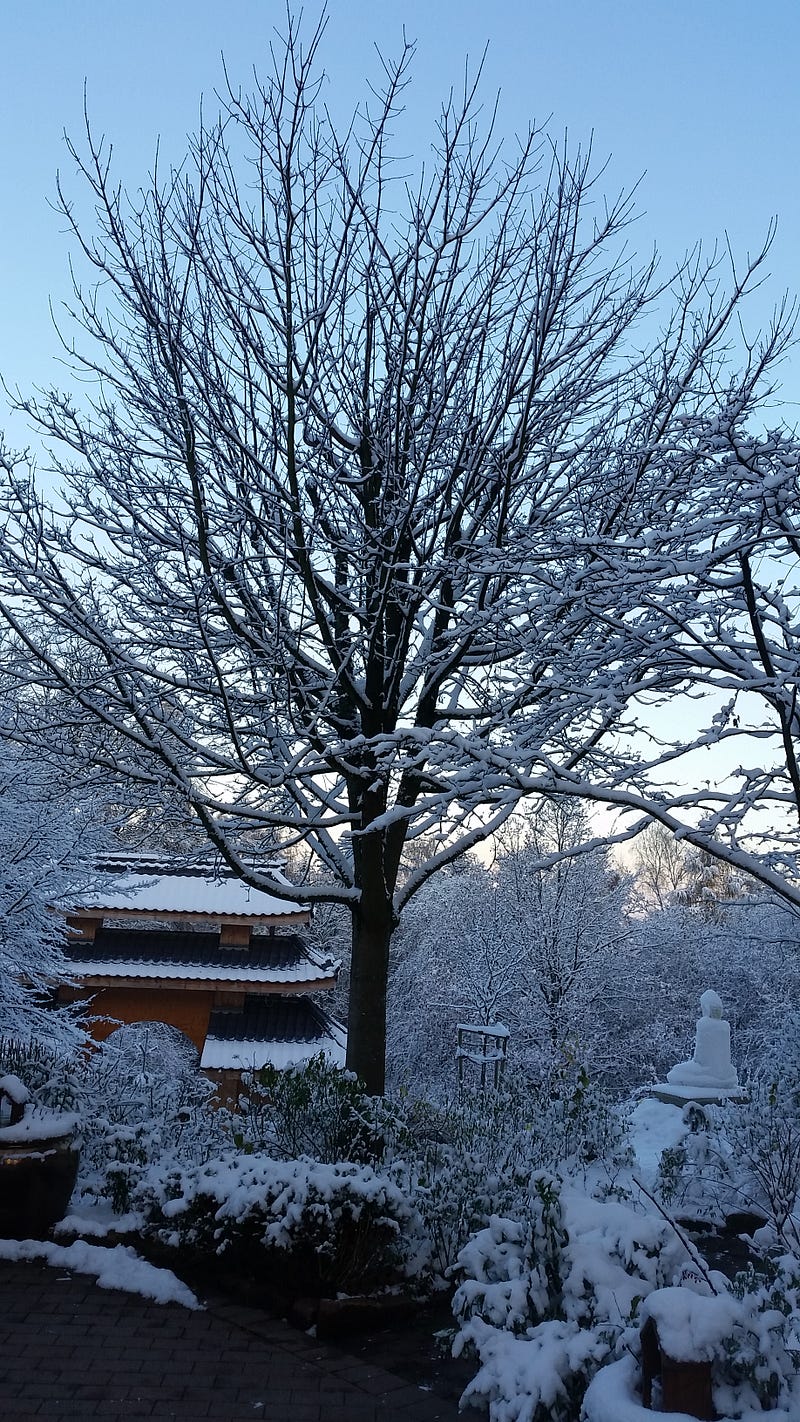
As I mentioned in one of my last articles, I had a real “time off” a few years ago.
Three days without anything — but let’s start with some background information.
Background
About four years ago, I sought psychological counseling for burnout prevention.
My boss at the time, who was also the project manager, was no longer there from one day to the next due to illness. He never came back.
Several other colleagues and I were alone with the client. My other boss was completely busy with another customer and didn’t know about our projects at all.
Since I often took over the lead for small projects and worked on some projects, I quickly became the overall project manager and was responsible for all projects at this customer.
I became the main contact person for our customers and was responsible for different employees in several projects without receiving a handover of the topics.
I worked a lot of overtime to familiarize myself with all the topics on my own.
I did everything I could to ensure that my team didn’t have to deal with the departure of our boss.
At that time, I was just under 30 and the customer was not always easy. I had to deal with many difficulties, but also numerous great colleagues.
I enjoyed the work most of the time, but it was too much at once.
Too many projects in parallel, and too many colleagues who all wanted my advice and fortunately accepted me directly as the new project manager.
But I also did everything for it, at the expense of my mental and later also physical health.
I managed all the professional issues, got promoted, and still have a great career and learned a lot back then.
I am grateful for the experience, even though it was probably too much in too short a time.

The way down
I still had to do my actual project work. So I had two full-time jobs in transition until I could support new colleagues in the project.
After 10 to 12 hours of work a day and weekend work, my thoughts only circled my projects. Of course, my boss tried to support me, and new colleagues joined me.
However, the training took time, and the topics were sometimes so special that no one could support them.
Many months passed until my workload was back at a normal level.
I could no longer switch off after work, my head was full of work. I slept badly, hardly went to sports at all, and ate irregularly.
I could no longer calm down and was stressed and tense all the time. The projects were going well, but I was feeling worse and worse.
When I woke up in the night drenched in sweat because I dreamed that a project could not be completed on time, I knew I needed support.
My boyfriend at the time couldn't help me, he had been in burnout or close to it himself several times, and was also always too busy with work.
We had a difficult phase in our relationship at that time anyway.
He just said I should do less, but was also happy about the time he had for himself.
Searching for help
I did some research and came across a psychologist who has a practice a few towns away. He gave me a lot of good tips in a few sessions.
I felt much better by using the tips and talking to him.
I sought professional relief and improvement in my mental and physical health. The thought-provoking impulses have already made a difference, but it was up to me alone to implement them.
My boss supported me and later gave me an award and bonus for extraordinary performance. I was supposed to use this only for myself.
After some research, I discovered a three-day retreat at a Buddhist monastery in the region. It was the perfect way to find peace and focus on the most important things.
I booked the three-day event without knowing what to expect. I donated the remaining amount to the monastery afterwards. I learned so much about myself, and I am grateful for the experience.
At the monastery
I only took my backpack and handbag and packed warm clothes for three days, my cell phone, a notepad and pen, and pencil, and my toiletry bag.
I booked a sparsely furnished single room.
The monastery provided bed linen and towels. You had to make the beds yourself, and there was no furniture except for a narrow bed, a small desk with a chair and lamp, and a small shelf.
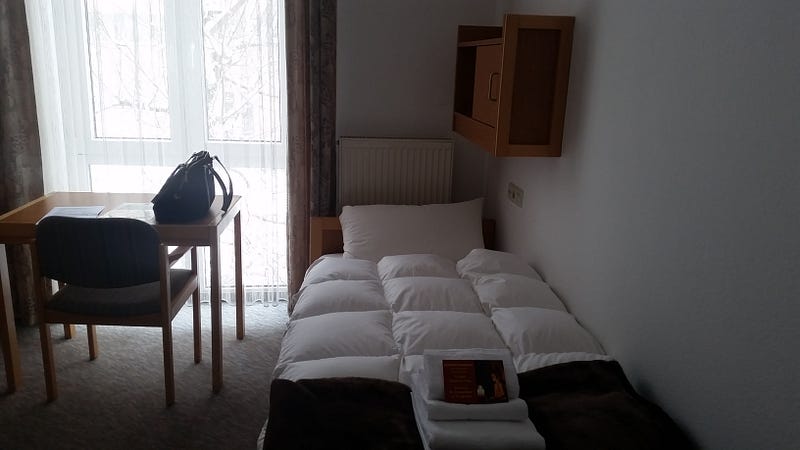
In the bathroom, there was a shower, a sink with a mirror, and a toilet, all noticeably old and with no decoration or anything else.
It truly felt like being in a monastery.
The reduction to a minimum without distractions was what I wanted and needed.
The daily routine
There were three vegetarian meals in the monastery, at fixed times. There was no talking during the meals, and there was meditation beforehand.
Early in the morning, from 4 o’clock, the Buddhist monks and nuns meditated, and one was allowed to join them.
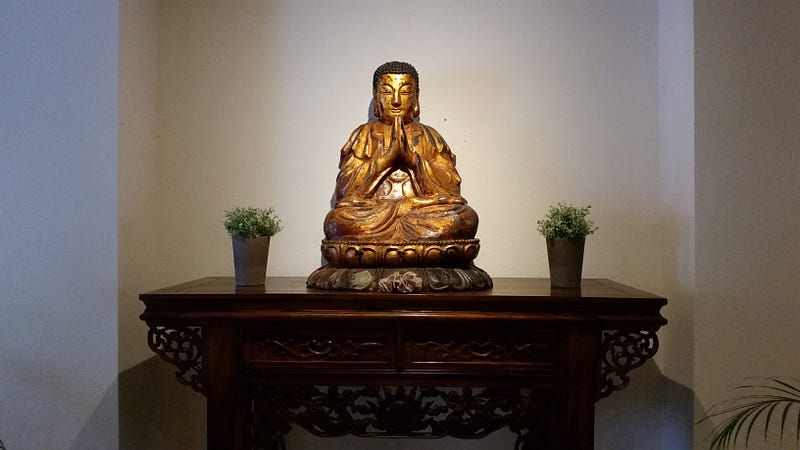
Due to the strict time constraints and mainly mentally, but partly also physically demanding activities, the day was over at 7:30 pm.
I then wrote a few notes, took a shower, and shortly after 8, tired, exhausted, and content, I fell into my little bed and slept better than ever.
At half-past three, the alarm clock went off.
I showered and got ready and went to meditate. At 7 a.m., we had a delicious breakfast with all the residents and visitors of the monastery, and then my retreat group started with the activities.
We were 10 people, and after we got to know each other, we went for a walk with our trainer. It was freezing cold and there was a lot of snow.
We were supposed to walk behind each other in silence for 3 hours. Then we were allowed to talk and get to know each other better while we were on our way to lunch.
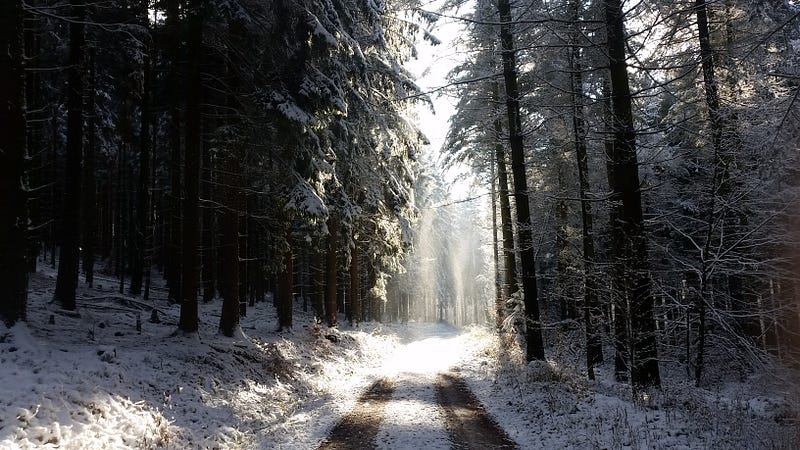
Due to the long walk in the snow, everyone was hungry.
The food tasted great! After the meal, there was a break.
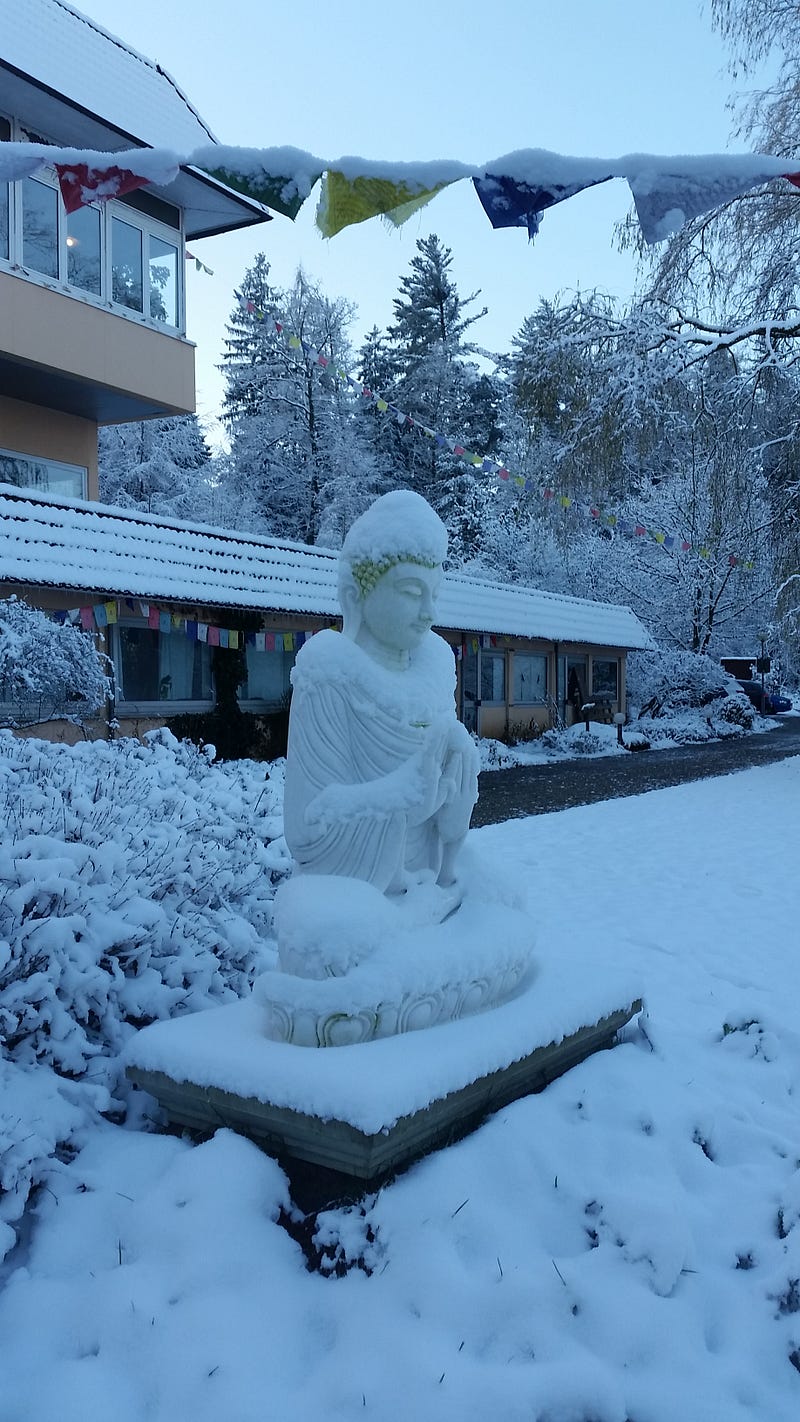
Then we met in one of the seminar rooms. This is the building where we met:
Calming down
Day 2 and I already felt better! No emails, no calls, no social media, no contact besides my fellow monastery people.
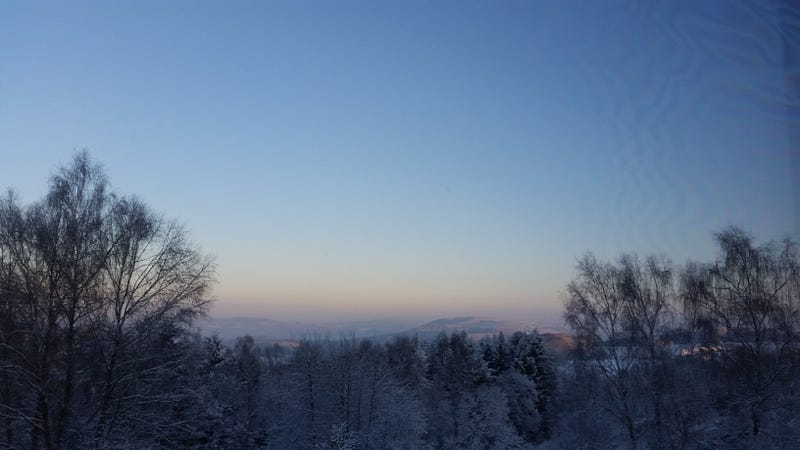
Look at this beautiful view — such a magical place.
We had many deep talks and activities like Tai Chi, long walks, and group practices for our mental health.
But what helped the most besides that: no mobile phone. It was so relieving.
Day three was similar to the day before:
- getting up in the middle of the night
- meditation
- long walks in nature in silence
- group work like positive affirmations, Tai Chi, talking about our lives
- no mobile phone.
My phone was also turned off in the evening. I wrote in my paper notebook and went to bed.
I also visited the monastery’s beautiful tea house, where you could get a delicious piece of cake:
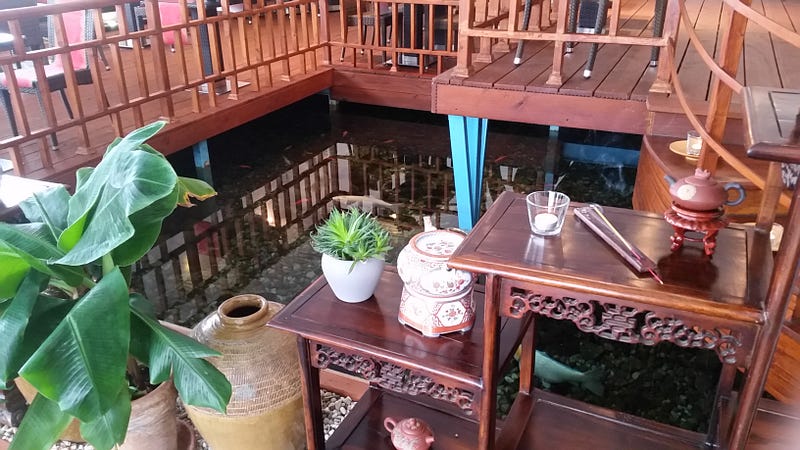
There’s a pond in the middle of the room with pretty koi carps inside!
I had a great time and learned to listen to my inner self, take care of my mental health, and take breaks whenever necessary.
Goodbye, I’ll come back for sure!
Join with my link to get full access to all stories on Medium!About Me — Iris B. Stehn ▪ Twitter ▪ Facebook


