Summary
"Built From Nature" is a reflective poem about finding one's intrinsic connection to the natural world, emphasizing the beauty of stillness and the journey of self-discovery.
Abstract
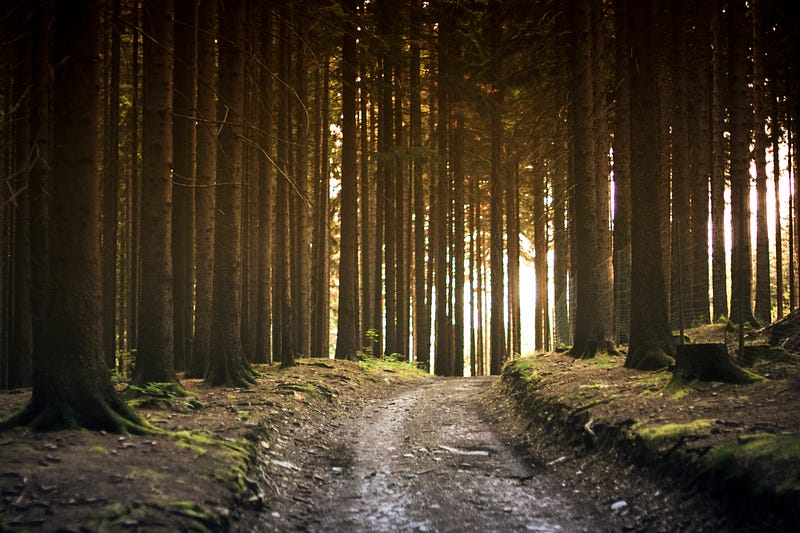
The poem "Built From Nature" by Jonathan Greene delves into the deep-rooted relationship between humans and nature. It uses vivid imagery to portray a person who is as much a part of their natural surroundings as the trees and the dirt. The narrator, metaphorically described as being made of natural elements, finds joy in the simplicity of existence, with the sun's rays eliciting a smile. The poem reflects on the internal journey, suggesting that true understanding comes from within, and that one need not travel far to find peace, as it is inherently found in the essence of nature from which we are built. The poem concludes with the realization that the narrator is already home, implying a profound sense of belonging and contentment in the natural state.
Opinions
- The author expresses a sense of tranquility and oneness with nature, suggesting that true peace and understanding are found in the natural world.
- The poem conveys a contemplative perspective on life, where physical movement is unnecessary for personal growth, and the journey within is more important.
- It touches upon the idea that freedom and home are not about physical space but about an internal state of being, which is deeply connected to the natural environment.
- The imagery used implies that human emotions and experiences are mirrored in nature, with leaves likened to tears and the wind to fleeting thoughts.
- The poem suggests that the essence of our being is not separate from the natural world, but rather intrinsically linked to it.