
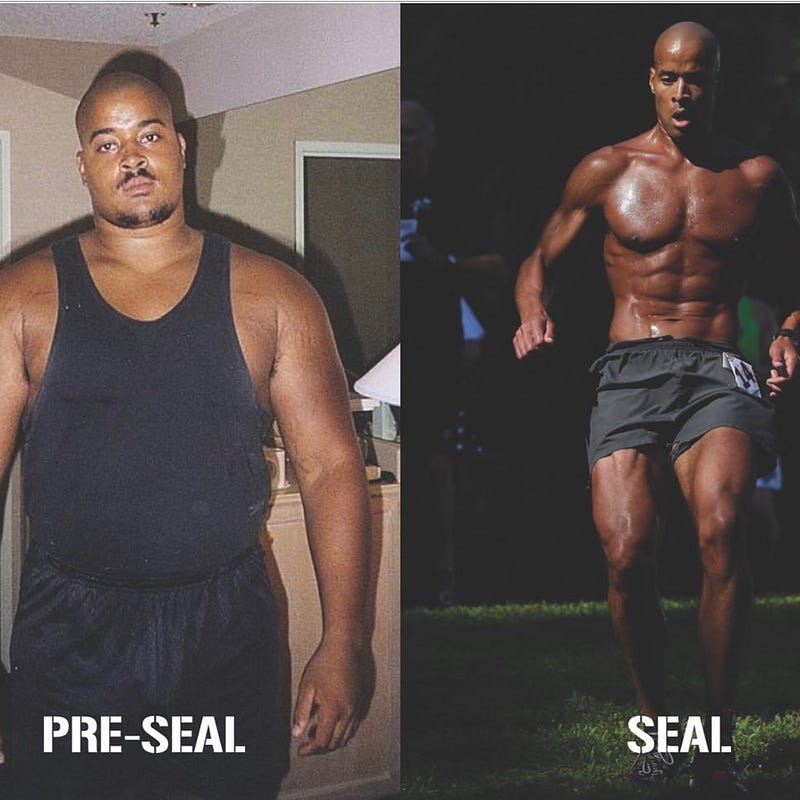
How He Went From Weighing 297 Pounds to Becoming a Navy SEAL
Discover the true power of resilience
The world is a tough place these days, and it seems like there’s some new bad news every day. Global warming, terrorism, famine — you name it.
It can make people feel powerless to do anything about the situation because they feel so small in comparison.
However, you don’t have to get sucked into this sense of powerlessness. We can all do things to build our resilience during hard times and maintain a healthy mental state.
It is hard to be resilient in times of difficulty. We all know this, and when it’s happening, we feel the pain. But when you are struggling, resilience can make a world of difference.
It will allow you to maintain your balance and keep moving forward despite what life throws at you. In order to build resilience during difficult times, some steps need to happen.
“Never let people who choose the path of least resistance steer you away from your chosen path of most resistance.”
- David Goggins
Part I: The Meaning
The Importance of Resilience
Resilience is vital for your mental health because it helps you maintain a level of emotional stability in the face of adversity.
This allows you to keep moving forward even when things are complex, and there seems like there’s no way around it. In order to build this quality up, try these steps:
The world can be a tough place — especially if we let ourselves become overwhelmed by all the bad news that exists out there.
And yet, throughout history, people have been able to persevere against great odds and do amazing things.
To help us with our own challenges, here are some simple actionable tips on how we can also build resilience during hard times so that we can find strength within ourselves instead of feeling powerless.
What does it mean to be resilient?
Resilience is the ability to handle adversity with strength and courage. Resilient people are those who go through hardships and come out the other side as better, stronger versions of themselves.
Resilient people are also able to come out on top after experiencing stress, trauma, or any different challenging situation.
Resilience is a skill that can be learned by anyone with some hard work and patience, but it’s usually easier to do during times when we’re not already stressed about life in general.
Hard times are inevitable, so it’s essential to learn how to build resilience now. This way, you’ll be more able to handle hardships when they come your way later on in life.
What does resilience look like in a person?
Resilience can show up in a variety of ways during different situations. For instance, here are a few common examples:
- People who went through a divorce or the death of a loved one without completely breaking down and finding happiness again after time has passed.
- People who experience depression but manage to climb out from under it over time.
- People who find comfort in religion when feeling stressed about life.
- People who can find good even during times when everything seems to be going wrong.
Difficult situations don’t seem as terrible and overwhelming because we know that they’ll get better eventually.
When we’re going through hard times, our brains tend to go into ‘survival mode,’ which means that we focus on short-term goals like getting food for ourselves even if it’s not healthy or creating unhealthy habits because they provide momentary relief.
However, resilience is being able to look at long-term outcomes instead — for instance, choosing more nutritious foods, so you have more energy in the long run.
Part II: The Process
How To Develop Resilience In Oneself and Others
If you’re going through a difficult time, it’s crucial to find ways to take care of yourself.
This means doing things that will help your mind and body heal over the long run instead of only focusing on short-term relief like watching TV for hours or getting high with friends after work.
It also helps if you have some type of support system in place so that when times are hard, there is someone there who can offer encouragement and strength.
Don’t put pressure on yourself during challenging times by saying, ‘I should be feeling better now…’ because this just makes us feel worse about ourselves as human beings. Instead, say, ‘it would be nice if I felt better soon.’
You can also tell yourself, ‘this is temporary’ or ‘there are people who have gone through much worse than I’m going through right now,’ because this way you’ll realize that your problems aren’t so bad after all.
Remind yourself of the good things in life, even if it’s just something small like having the sunshine on your face when you’re walking home from work or being able to watch a funny TV show with friends at night.
Sometimes we only remember the bad parts of our lives and forget that there are always positive aspects, too — we just need to take some time to appreciate them.
Your brain will eventually rewire itself over time, but depending on how stressful the situation was for an extended period of time, it might not happen until you’ve had time to heal.
How to develop resilience for others?
Be patient and supportive of those going through hard times instead of telling them what they should do or how they should be feeling about their situation.
Instead, encourage them by saying that things will get better eventually and provide any support that you’re ably capable of offering — for instance, cooking dinner for someone when they have no energy after working all day long or offering a ride to the doctor’s office if it would make getting there easier.
Don’t try imposing your own ideas on how other people need to feel during challenging situations because this just makes everyone’s lives harder in general since we have different ways of coping with hardships depending on our personalities.
Don’t pressure yourself to get over something difficult quickly because it won’t happen overnight — take some time to heal instead of forcing yourself into thinking that you’re okay when your emotions are still raw and painful.
Be patient with everyone else who is going through hard times, just as they have been patient with you if the shoe was on the other foot during a previous situation in which you were struggling while they provided support for you.
Keep in mind that there’s no ‘right way’ or timeline for how long it takes people to recover emotionally from tough situations; only allow them enough time so that their brains can rewire themselves gradually instead of pushing too far past their limits at once by waiting too long before letting go/moving on.
Don’t pressure yourself or anyone else into doing anything quickly, but give everyone enough time so that they can heal emotionally from tough situations instead of forcing an abrupt end before their brains have had a chance to rewire themselves gradually over time.
Part III: David Goggins Placing Resilience Into Action
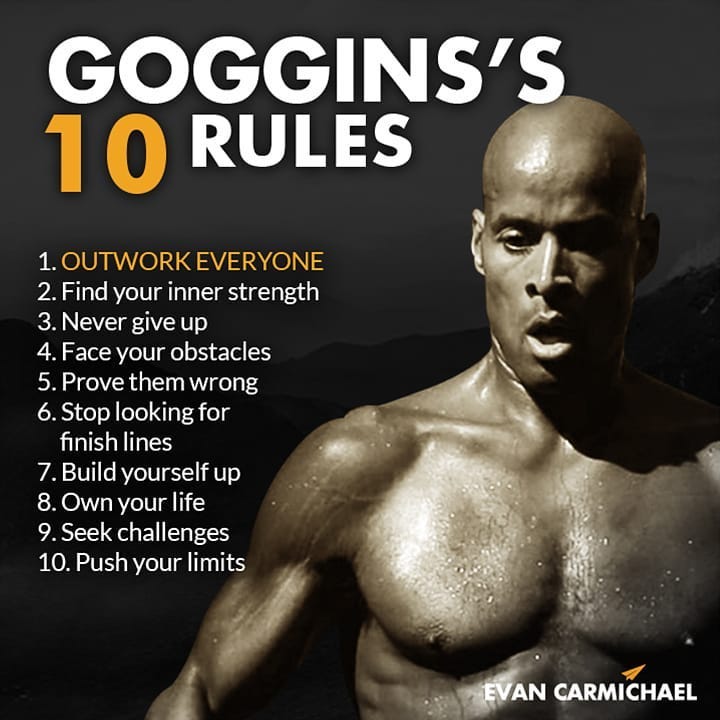
David Goggins is a retired Navy SEAL and former USAF Tactical Air Control Party member. He has completed a 30-year marathon, performed over 17,000 skydivers, finished 50 ultra marathons (50+ miles), competed in the Ironman World Championships Triathlon on his first attempt at age 40, and countless other endurance races, including 200-mile races across the desert without sleep.
Goggins’ approach to training is rooted in an unrelenting determination to succeed. Despite repeated injuries that many runners would quit with, Goggin’s never stopped running or racing because he believed that each race was necessary for him to improve as a runner to qualify for longer-distance events like an ultramarathon takes more than just cardiovascular fitness.
Goggin’s tale is an excellent illustration of how perseverance and resilience can help you overcome failure. Goggins was weary, but after 17 hours (yes, really!) and two failed attempts, David Goggins broke the Guinness World Record for pull-ups, achieving 4,030 to be sure. Goggin’s story is an excellent example of someone who found resilience through repeated failure.
What might surprise you more is that David Goggins was never this strong; he demonstrates these facts in his book “Can’t Hurt Me” and explains his entire story of how he had to overcome bullying and racism at a very young age while living with his single mother at the time.
At age 24, he weighed about 297 pounds and decided one day to lose 100 pounds within three months before joining the military and completing three hell weeks within a year.
He started running for hours a day and doing a lot of bodyweight exercises like pull-ups, push-ups, and dips. He did almost every single day from that point on until today when he is still training hard even at age 47 years old.
The lesson here is that it takes time and effort over many years before you see results come through, but it’s possible if you keep practicing your craft or whatever activity you do with passion.
The real takeaway we should learn from David Goggins’ story is how a human mind was able to achieve so much success because despite all his fears about what could happen, he never ever gave up during those times where most would have quit based on fear.
“A warrior is a guy that goes, I’m here again today. I’ll be here again tomorrow and the next day. It’s a person who puts no limit on what’s possible.”
— David Goggins
The Bottom Line
Resilience is knowing how it feels like to be pushed beyond your limits and then slowly easing back out again — it’s not about rushing towards everything all at once without any room for error because we need some downtime after periods of increased stress in order for our minds and bodies to recover both physically and emotionally.
People are capable of much more than they think if given a chance to succeed. We all have fears, but what really separates those who achieve their dreams from everyone else is that people like Goggins didn’t give up when times got tough or fear took over his mind and body.
It takes courage, hard work, time, and effort before you see results in your life because it’s not about how talented you might be but rather how dedicated you can become towards your passions despite failures along the journey.
Thanks for reading! If you haven’t joined Medium but would love to, click here. By signing up for Medium through my referral link, I will receive a small commission.