
Building Kits and Unschooling: Nurturing Fine Motor Skills and Spatial Reasoning
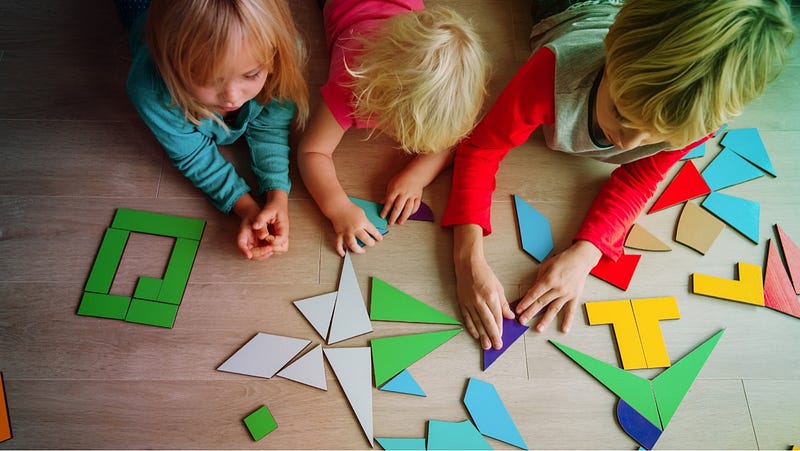
In the heart of our home, scattered across the living room floor, you’ll often find an array of building kits — from intricate Lego sets to robust wooden blocks. These seemingly simple tools are central to our unschooling approach, subtly nurturing fine motor skills and spatial reasoning in my children.
And as an unschooling advocate, I’ve witnessed firsthand the powerful blend of play and learning that these kits facilitate.
Our unschooling path emphasises the importance of tailoring education to each child’s innate interests and abilities. Building kits have been instrumental in this process, providing a hands-on learning experience that textbooks alone could never offer.
The tactile nature of building, the click of pieces fitting together, the visualisation of a structure taking form — all these elements encourage a unique learning environment where fine motor skills and spatial reasoning flourish organically.
The beauty of unschooling lies in its recognition of learning in all activities, and building kits exemplify this beautifully.
They are a playground for the mind, where my 7 and 4-year-old can experiment and innovate.
Watching them manipulate tiny pieces, I see the gears of fine motor development and spatial reasoning turning.
Each structure they build, no matter how wobbly, demonstrates their growing understanding of balance, symmetry, and geometry.
Such kits also teach the value of resilience and problem-solving. There is, for example, a profound lesson in seeing a tower tumble and choosing to start anew, piece by piece.
The frustration of a misplaced piece also becomes an opportunity to cultivate patience, and the joy of completion, is a lesson in perseverance and satisfaction in one’s abilities.
In our unschooling environment, learning is in their hands-on engagement with the world, in the freedom to explore and manipulate objects like building blocks.
It’s in the shared moments of triumph when a complex structure stands tall, and in the collective resolve to try again when it falls.
Such work is also greater for creativity, problem-solving, and building confidence.
As my children grow, each at their own pace and following their own special paths, I am convinced more than ever of the importance of providing a learning environment that respects and nurtures individuality.
In a society that often undervalues play and hands-on learning, I stand firm in my belief that these are the very experiences that shape innovative minds and compassionate hearts.
And as we build, piece by piece, I am reminded that we are not just constructing models; we are crafting minds, hearts, and a future where every child has the space and support to grow into the world changer they are meant to be.


