
Building APIs with Python: Frameworks for Seamless Integration
Django Rest Framework is my weapon of choice.
Hey there, fellow Python enthusiasts! If you’re anything like me, you’ve probably been down the rabbit hole of Python programming for quite some time now.
Whether you’re a beginner just starting on your coding journey or a seasoned developer looking to expand your toolkit, I encourage you to take a few minutes to go through this article, as it will undoubtedly help you avoid some of the most significant mistakes on your Python journey.
I’m Gabe A., and I’ve been tangoing with Python for over a decade now. From my early days of sifting through mountains of data to my current gig as a consultant, I’ve had the pleasure of using Python to tackle a wide range of challenges in industries as diverse as pharmaceuticals, banking, and logistics. With a master’s degree in statistics under my belt, I’ve had the chance to experiment, learn, and master the art of building APIs that seamlessly integrate into various projects.
Why APIs, You Ask?
Well, my friend, APIs, or Application Programming Interfaces, are like the secret sauce that lets your different applications talk to each other. Imagine you have this fantastic data analysis tool written in Python, and you want to harness the power of another application or service to complement it. That’s where APIs come into play. They’re the bridges that connect your code to the outside world, enabling you to fetch and exchange data effortlessly.
So, let’s dive into some of the most remarkable frameworks that Python has to offer for building APIs that not only do the job but do it with style.
Flask: The Lightweight Powerhouse
Ah, Flask, my old friend. If you’re looking for a minimalistic yet powerful framework to get your APIs up and running quickly, Flask is your go-to companion. I remember the first time I used Flask to build an API for visualizing complex statistical models. It was like discovering a treasure chest filled with concise code and endless possibilities.
Here’s a taste of what Flask code looks like:
from flask import Flask, jsonify

app = Flask(__name__)
@app.route('/hello')
def hello():
    return jsonify(message='Hello, API World!')
if __name__ == '__main__':
    app.run()
With just a few lines of code, you’ve got yourself a simple API that responds with a friendly greeting when you hit the /hello endpoint. How cool is that?
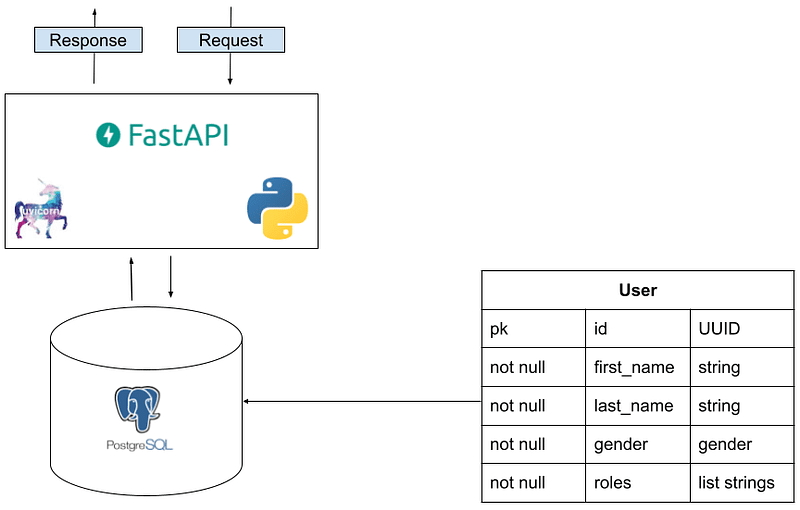
FastAPI: Where Speed Meets Intuitiveness
Now, if you’re like me and believe that speed and user-friendliness should always go hand in hand, then FastAPI is your new best friend. This bad boy combines the best of both worlds: it’s lightning fast and incredibly intuitive, making it a dream come true for developers who crave efficiency.
Let me share a snippet of FastAPI magic:
from fastapi import FastAPI

app = FastAPI()
@app.get('/greet/{name}')
def greet(name: str):
    return {'message': f'Hello, {name}!'}
You see what I mean? With just a dash of type hinting and FastAPI’s intelligent routing, you’re on your way to building APIs that would impress even the most skeptical of developers.
Django Rest Framework: The All-in-One Package
Now, let’s talk about the heavyweight champion in the ring — Django Rest Framework. If you’re looking for a comprehensive package that not only helps you build APIs but also holds your hand through the entire process, Django has got you covered. It’s like the Swiss Army knife of API frameworks.
Back in my banking days, I had to create an API to provide real-time financial data to our trading platform. Django Rest Framework was my weapon of choice.
Check out this snippet:
from rest_framework import serializers, viewsets

class StockSerializer(serializers.ModelSerializer):
    class Meta:
        model = Stock
        fields = ['ticker', 'price', 'timestamp']
class StockViewSet(viewsets.ModelViewSet):
    queryset = Stock.objects.all()
    serializer_class = StockSerializer
Boom! With just a touch of class (pun intended), you’ve got a fully functional API that performs CRUD operations on your Stock model. It’s like the magic wand you always wished for.
Expert Tips from the Trenches
Alright, my fellow code warriors, before I wrap up this little chat, let me drop some wisdom bombs from the battlefield. These are the tips I wish I had when I started my API-building escapades:
- Keep it Simple, Silly: APIs are meant to make your life easier, not more complicated. Start small, iterate, and build on your success.
- Documentation is Your BFF: Don’t underestimate the power of good documentation. Your future self (and your colleagues) will thank you for it.
- Security First: APIs deal with data, and where there’s data, there are security concerns. Take the time to understand and implement security best practices.
- Testing is Non-Negotiable: Bugs happen, but thorough testing can minimize their impact. Write unit tests, integration tests, and don’t forget about those pesky edge cases.
- Scaling Gracefully: Your API might start small, but if it’s successful, it’s going to grow. Design your architecture with scalability in mind, so you’re ready for that influx of users.
Parting Words
Well, folks, there you have it — a whirlwind tour of some fantastic Python frameworks for building APIs that seamlessly integrate into your projects. Whether you’re a Flask fanatic, a FastAPI aficionado, or a Django devotee, the Python world has something special for you.
Remember, the road to API mastery is paved with curiosity, experimentation, and a healthy dose of patience. So, dive in, explore, and never be afraid to push the boundaries of your knowledge.
I hope this article helped you! Thanks for reading. 😊 Enjoyed it? Show your support with 👏, 💬, and 👤.
💰 Free E-Book 💰
I’m Gabe A, a seasoned data visualization architect and writer with a decade of experience. My goal is to offer you clear guides on diverse data science topics. With 250+ articles across 25+ Medium publications, I’ve become a trusted voice in the data science field. 📊📚
👉Stay updated! Follow Everything Programming for more. 🚀
In Plain English
Thank you for being a part of our community! Before you go:
- Be sure to clap and follow the writer! 👏
- You can find even more content at PlainEnglish.io 🚀
- Sign up for our free weekly newsletter. 🗞️
- Follow us on Twitter, LinkedIn, YouTube, and Discord.