
Building a Sustainable Future: The Top 5 Sustainable Construction Technologies of 2023
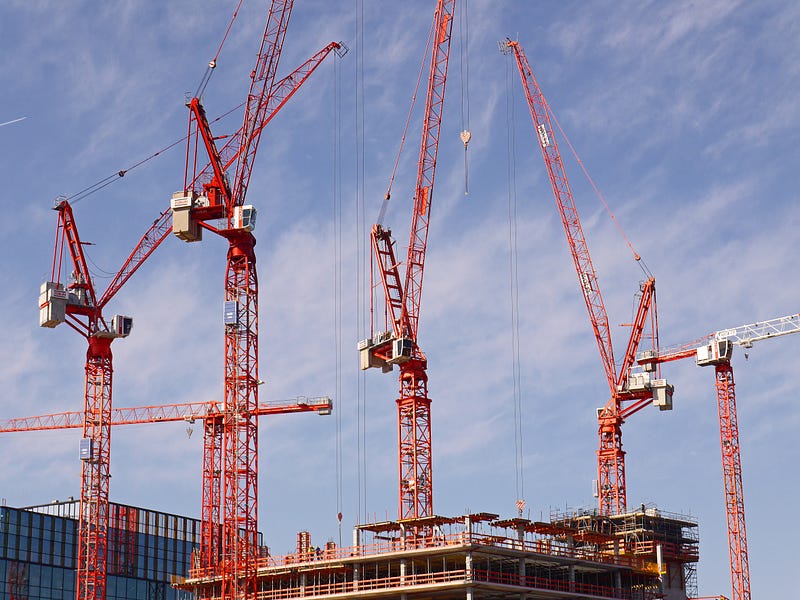
The construction industry has long been known as one of the largest contributors to environmental pollution and greenhouse gas emissions. However, with the increasing awareness of climate change, sustainable construction technologies have become more prevalent and necessary than ever before.
In 2023, there are several new sustainable construction technologies that are emerging and making a positive impact on the environment.
In this blog post, we will explore some of these technologies and their potential to revolutionize the construction industry.
Biodegradable Building Materials
One of the latest sustainable construction technologies is the use of biodegradable building materials.
These materials are made from organic and renewable sources, such as bamboo, hemp, and straw, which are much more sustainable than traditional building materials like concrete and steel. These materials are also biodegradable, reducing the amount of waste produced during construction.
3D Printing
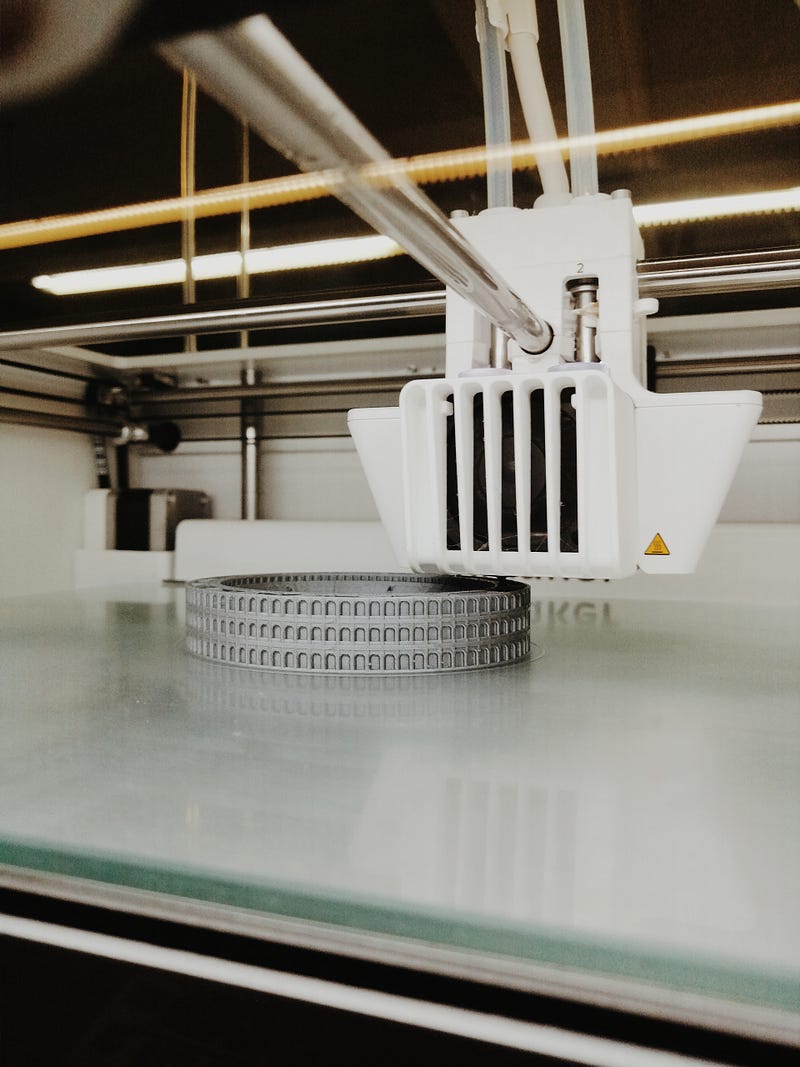
3D printing has been around for a while, but it is now being used in construction to create more sustainable and efficient building components.
3D printing reduces waste and allows for greater precision in construction, reducing the need for excess materials and energy. It is also a faster and more cost-effective method of construction.
Smart Building Technology

Smart building technology is another emerging trend in sustainable construction.
It involves the use of sensors and automation to improve energy efficiency and reduce waste. For example, smart lighting systems can automatically adjust lighting levels based on natural light and occupancy, reducing energy usage and costs.
Using AI tools to perform construction calculations in estimating material for example can be a good source of optimal material reduction.
Green Roofs

Green roofs are becoming more popular in sustainable construction as they provide insulation, reduce urban heat island effects, and improve air quality. They are also visually appealing and can provide additional green space in urban areas.
Modular Construction

Modular construction involves building components in a factory and assembling them on-site, reducing waste and construction time. It also allows for greater precision and quality control in construction, reducing the likelihood of errors and waste.
Solar Energy

Solar energy is an increasingly popular and sustainable source of power for buildings. Solar panels can be installed on roofs or integrated into building facades to provide renewable energy and reduce reliance on fossil fuels.
Even though this technology can provide relief in energy consumption on a smaller scale, big-scale solar energy technology is still not optimal. More technological advancements need to occur in this field for it to be more sustainable
These new sustainable construction technologies are just the tip of the iceberg in terms of the potential to revolutionize the construction industry.
As the demand for sustainable building practices continues to grow, we can expect to see even more innovation and advancements in this field in the coming years. By adopting these new technologies and practices, the construction industry can reduce its environmental impact and contribute to a more sustainable future.