
"Building a Better World: Education’s Place in the World of Change”
Empowering Change Through Education"
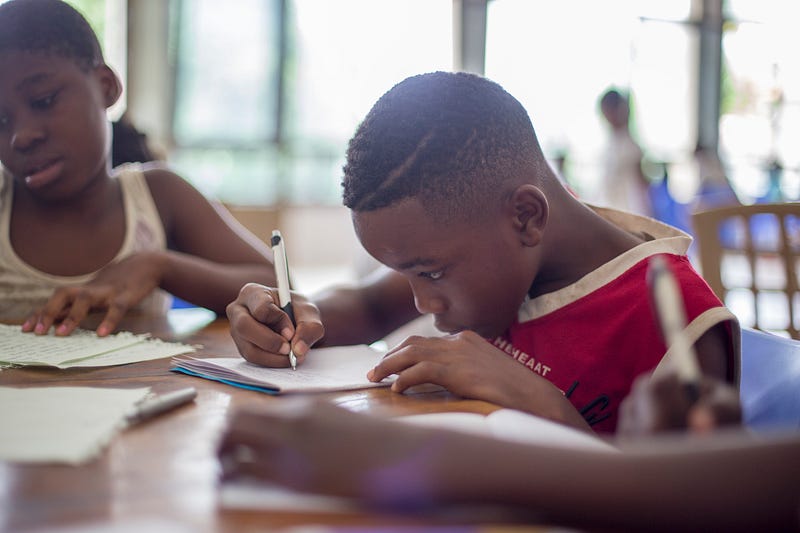
By raising literacy rates and lowering poverty rates, education is a potent instrument in the fight against poverty. Through nutrition education, mental health awareness, and easily accessible health information, education plays a critical role in building healthier societies.
Education is the cornerstone of societal change, representing the power to drastically alter the course of history. To quote Nelson Mandela, "Education is the most powerful weapon which you can use to change the world." This remark emphasizes how education has a significant impact on people and, consequently, the world community.
Fundamentally, education stimulates critical thinking, enhances intellect, and satisfies a desire for information. It breaks the bonds of prejudice and ignorance and transcends national boundaries. Through education, people can acquire the knowledge and understanding needed to function in a world that is constantly changing. It stimulates creativity and produces the thinkers and makers who propel advancement. Education also acts as a catalyst for societal transformation. It breaks down barriers and encourages inclusivity and comprehension. It fosters empathy and encourages people to value different points of view. Societies may address problems like poverty, inequality, and injustice by educating the general public.
The global health crisis and climate change are only two of the many problems the world is experiencing, and education is showing to have a transformative power. It encourages a sense of shared responsibility for the advancement of mankind and provides people with the tools to confront these challenges head-on. In actuality, education is not just a personal benefit but also a potent instrument with the potential to transform the world into one that is more equitable, enlightened, and peaceful.


