
Bugged Wings: The High-Flying Espionage Tale of China’s Presidential Jet
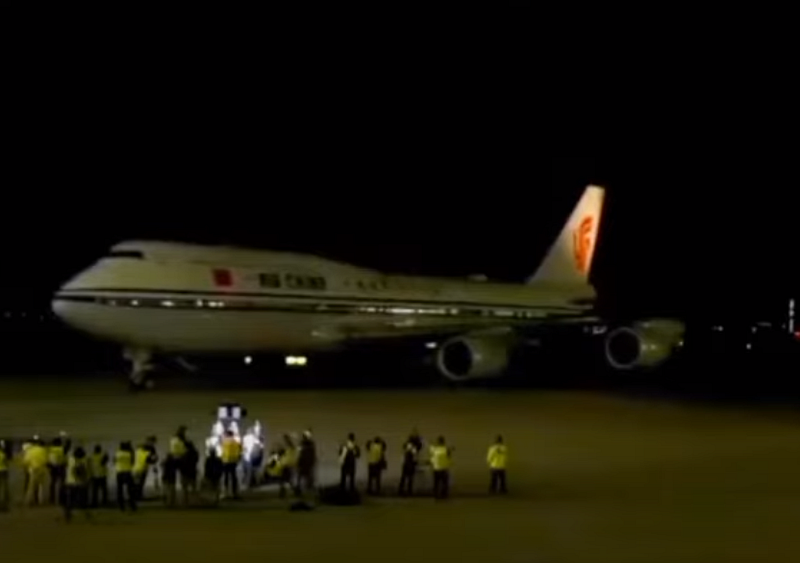
Hey there! Let’s dive into the intriguing world of espionage with a story that sounds like it’s straight out of a spy movie. We’re talking about the time when the Special Collection Service (SCS), a joint operation between the CIA and NSA, was rumored to be involved in a high-stakes game of cat and mouse with China.
Picture this: It’s 2001, and the SCS allegedly plants not one, not two, but 27 satellite-controlled bugs inside a Boeing 767–300ER. And this isn’t just any plane; it’s destined to become the official jet of none other than Chinese leader Jiang Zemin. Talk about flying the unfriendly skies, right?
Now, the SCS isn’t your average spy agency. These guys are the real deal, with a mission to insert eavesdropping devices in places most of us wouldn’t even dream of — like foreign embassies and government installations. They’re like the tech-savvy ninjas of the espionage world, combining the CIA’s knack for covert action with the NSA’s ear for eavesdropping.
So, back to our story. The SCS’s plan was bold and audacious, but there was just one little problem: the bugs were discovered before they could be switched on. Oops! It’s like setting up the most epic prank only to have it discovered before the big reveal. The Chinese officials found these sneaky little devices during test flights, and let’s just say they weren’t too pleased.
The fallout? Well, it was a bit of a diplomatic kerfuffle, to say the least. The discovery came right before a big summit between China and the US, and you can bet Jiang Zemin wasn’t going to let this one slide. The Chinese didn’t point fingers directly, but the whispers were loud enough to stir up some serious tension.
And here’s the kicker: the plane was under 24-hour Chinese surveillance during its construction and fitting. Chinese troops were even posted at the hangar! Yet somehow, these bugs found their way onboard. It’s like something out of a Hollywood script, isn’t it? The investigation that followed must have been quite the scene, with Chinese officials trying to figure out how these bugs got past their watchful eyes.
In the end, the plane was grounded, its insides torn out, and left sitting at an air base north of Beijing. As for the SCS, they probably went back to the drawing board to cook up their next big operation. And the Boeing 767–300ER? It never got to serve its intended VIP role, all thanks to a few unwanted electronic guests.
So there you have it, a tale of espionage, international intrigue, and some seriously bugged-out aircraft. It’s a reminder that in the world of spying, it’s not just about having the coolest gadgets; it’s also about not getting caught. Until next time, keep your eyes peeled and your bugs… well, not in Chinese presidential planes. 😉