
Bruce Lee’s Principles: An Ultimate Guide to Life
Timeless philosophies for living a life of purpose
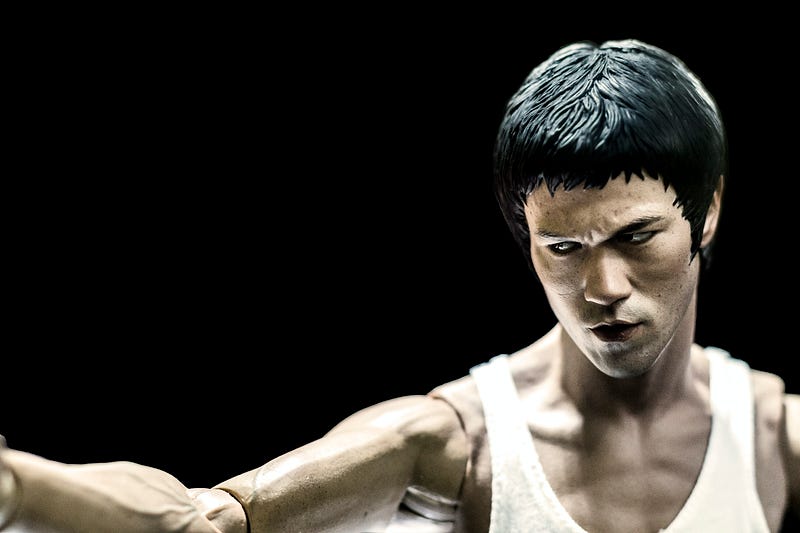
Bruce Lee, renowned for his extraordinary martial arts skills, was also a profound philosopher.
His teachings transcended the realm of physical combat, offering timeless wisdom on living a fulfilling life. This guide explores the core principles of Bruce Lee’s philosophy, demonstrating how they can be applied to our daily lives for personal growth, adaptability, and inner peace. Lee’s principles offer a rare combination of living a life marked by harmony and mastery.
By applying these teachings, we can navigate life’s challenges with grace and resilience, continuously evolving in our personal and professional journeys.
Be Like Water
Bruce Lee famously advised to “be like water,” emphasizing adaptability and flexibility. Just as water takes the shape of its container, he believed in the importance of adjusting to different situations with ease. This principle encourages a mindset that remains open to change, rather than being rigidly fixed. It’s about flowing around obstacles, not crashing against them.
To ‘be like water’ means embracing adaptability and fluidity in thoughts and actions.
Self-Actualization
Self-actualization was at the heart of Lee’s philosophy. He championed the idea of realizing one’s full potential and constantly working towards personal improvement. This principle isn’t just about reaching goals, but also about being authentic and true to oneself, free from the constraints of societal expectations.
Self-actualization is about personal growth and authenticity, striving to realize one’s full potential.
Simplicity
Lee valued simplicity, advocating for a minimalist approach in life. He believed in removing the unnecessary, focusing only on what is essential. This principle is not just about decluttering one’s physical environment, but also about achieving clarity in goals and actions.
Simplicity involves focusing on the essential, promoting efficiency, effectiveness, and clarity in purpose.
Mindfulness and Awareness
Mindfulness and awareness were crucial for Lee. He emphasized the importance of living in the present and being fully aware of one’s thoughts and surroundings. This principle is about understanding oneself, including recognizing one’s emotions, strengths, and weaknesses.
Mindfulness and awareness entail being present in the moment and cultivating self-awareness.
Harmony Between Body and Mind
Lee sought harmony between the body and mind. He practiced physical fitness alongside mental well-being, believing in the powerful connection between the two. This principle encourages aligning thoughts with actions, ensuring that they are congruent and complementary.
Harmony between body and mind is about balancing physical and mental health, integrating thought and action.
Expressing the Human Experience
Lee used martial arts as a form of artistic expression, conveying the deeper aspects of the human experience. He saw the universality in this expression, recognizing the interconnectedness of all people. This principle is about using one’s unique talents to communicate and connect with others.
Expressing the human experience involves using artistic forms to convey deeper meanings and celebrate our interconnectedness.
Continuous Learning and Adaptation
A key aspect of Lee’s philosophy was the emphasis on continuous learning and adaptation. He viewed change as an opportunity for personal growth and encouraged a mindset geared towards lifelong learning. This principle is about staying open to new experiences and knowledge.
Continuous learning and adaptation involve embracing change and committing to lifelong personal development.
Inner Harmony and Peace
Lee practiced meditation and introspection to achieve inner peace and harmony. He believed in transcending ego and focusing on altruistic goals. This principle promotes regular practices that cultivate inner peace and overcoming ego-driven desires.
Achieving inner harmony and peace requires meditation, reflection, and transcending ego.
In embracing Bruce Lee’s principles, we empower ourselves to lead lives characterized by resilience, purpose, and personal fulfillment.
With wisdom and strength comes an ever-adaptable spirit.
If you want to build a High-Performance Life subscribe to The High-Performance Daily for a story in your inbox every single day.
Follow me on Instagram, Twitter, and Threads (@outworkchief) for updates, or visit my coaching website at trainoutwork.com. I also provide free fitness and nutrition advice on Twitter by tagging me.


