
Brown Scapular of Our Lady of Mount Carmel
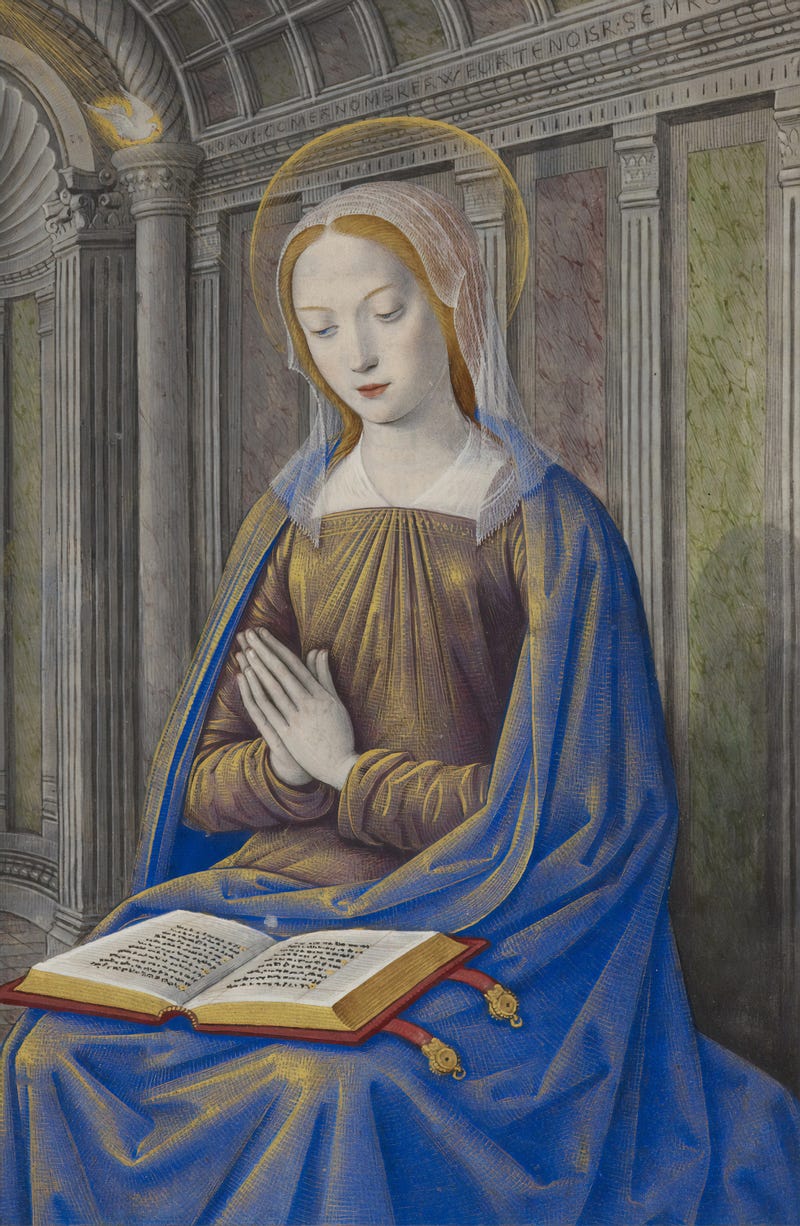
This article was prepared and co-edited by my brother, Jude Izuka, who spurs me on in Catholic literacy. Amongst the many topics, he suggested I research and write about, the brown scapular of our lady made the list.
My relationship with Mary has evolved over the years. However, there is one constant feature; my devotion to her ensures she plays a salvific and sustaining role in my relationship with Christ. Now let’s delve into our subject matter….

Mount Carmel is the Biblical site where the prophet Elias battled the 450 priests of Baal in a public spiritual contest which led to their defeat and ruin. (Cf. 1 Kings 18:19–40).
It was also here that Elias sent his servant seven times to the mountaintop to look for rain after years of drought which ended as he proclaimed, “Behold a little cloud arose out of the sea like a man’s foot.” (1 Kings 18:44).
Feast of Mount Carmel
Our Lady of Mount Carmel is celebrated as an optional memorial in the Latin Church every July 16.
It was instituted by the Carmelites between 1376 and 1386 under the title “Commemoratio B. Marif Virg. duplex” to celebrate the victory of their order over its enemies on obtaining the approbation of its name and constitution from Honorius III on 30 Jan. 1226 (see Colvenerius, “Kal. Mar.”, 30 Jan. “Summa Aurea”, III, 737).
It was first approved by Pope Sixtus in 1587
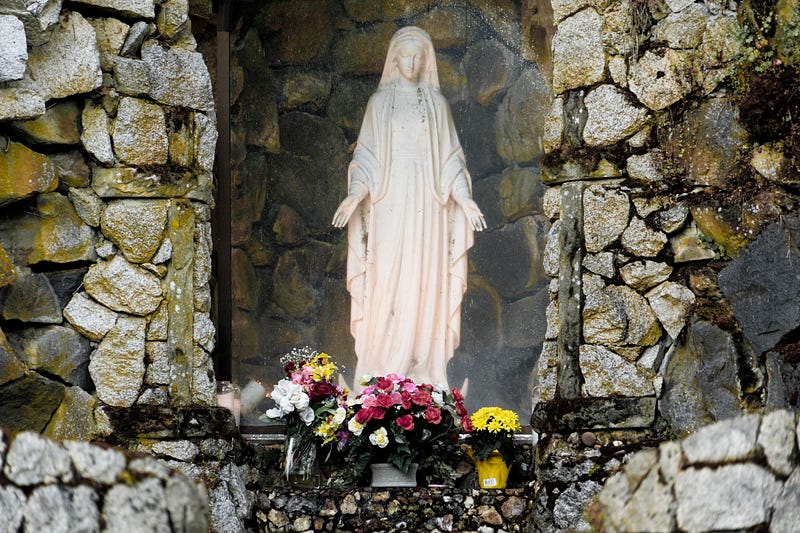
Brown Scapular of Our Lady of Mount Carmel — Origin
According to traditional Carmelite accounts, on the 16th of July 1251, the Blessed Virgin Mary appeared at Cambridge to St. Simon Stock, who was Prior General of the Carmelite Order.
The earliest reference to this tradition, which dates back to the late 14th century, states that St. Simon was an Englishman of great holiness and devotion who in his prayers asked the Virgin to favor his Order with some singular privilege.
The blessed virgin appeared holding the scapular in her hand saying, “This is for you, and yours, a privilege, the one who dies in it will be saved.”
Facts about the Brown Scapular
a. The term “Brown Scapular of our lady of Mount Carmel” is a title of the Blessed Virgin Mary in her role as Patroness of the Carmelite Order. b. It represents a special consecration to Our Lady under the title of Our Lady of Mount Carmel. c. The scapular is a sacramental. d. It is the best known and most highly esteemed of scapulars. e. Most favored by the Church and the Virgin Mary in her apparitions. f. It is adapted from the scapular of the Carmelite Order. g. It signifies a special devotion to Mary for whoever is wearing it. h. Whoever wears it also entrusts himself/herself to Mary for their salvation. i. For those who faithfully wear it, “ who dies wearing this scapular shall not suffer eternal fire.”
This must not be misunderstood superstitiously or magically but in the light of the Catholic teaching that perseverance in faith, hope, and love are required for salvation.
The scapular is a powerful reminder of this Christian obligation and of Mary’s promise to help those consecrated to her to obtain the grace of final perseverance.
Investiture & Sabbatine Privilege A Short form of investiture consists of a priest or deacon taking a blessed scapular and while placing it over the person’s head may recite a Marian prayer- Hail Mary, Memorare or Salve Regina.
Investiture must be done with the cloth scapular and any subsequent scapular does not require another Investiture rite. The wearer henceforth is expected to live a chaste life.
Attached to the wearing of the Brown Scapular is the Sabbatine Privilege. The name Sabbatine Privilege originates from the apocryphal Bull “Sacratissimo uti culmine” of Pope John XXII, 3 March 1322.
According to John XXII, the Blessed Virgin gave him the following message in a vision-related to those who wear the Brown Scapular: “I, the Mother of Grace, shall descend on the Saturday (Sabbath) after their death and whomsoever I shall find in Purgatory, I shall free, so that I may lead them to the holy mountain of life everlasting.”
Based on Church tradition, three conditions need to be fulfilled to obtain the benefits of this Privilege and the Scapular:
1. Wear the Brown Scapular. 2. Observe chastity according to one’s state in life. 3. Pray the Rosary.
Want more catholic inspiration, check out this article on the Eucharistic fast:
References
- Louis Saggi, O.Carm; Saint Simon Stock (XIII Century) Saint, Priest — Scholarly historical information.
- Eamon R. Carroll, O.Carm; Medieval Devotion to Mary Among the Carmelites.
- https://www.ewtn.com/catholicism/library/scapular-devotion-5806