Summary
The text is a poetic reflection on the understated beauty and significance of common brown birds, which, upon closer inspection, reveal vibrant colors and evoke the essence of spring through their songs.
Abstract
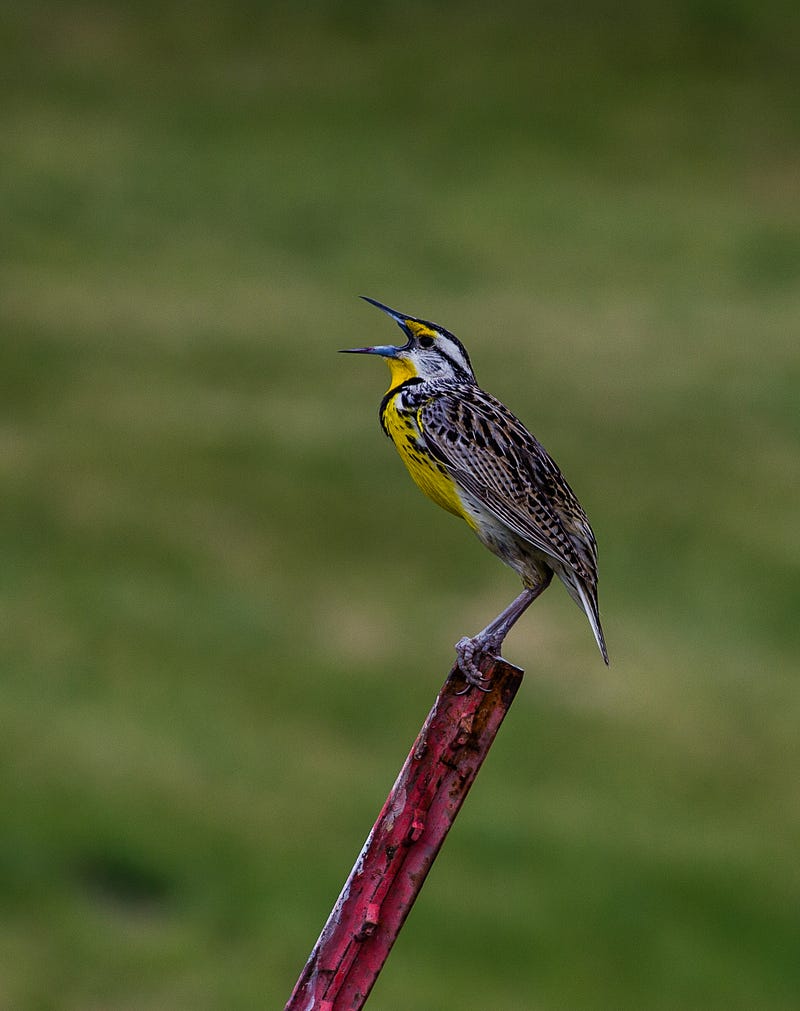
The author paints a vivid picture of the often-overlooked brown birds, which, when observed attentively, display striking colors such as the meadowlark's "yolk-yellow breast with its bold black blaze." These birds are emblematic of the arrival of spring, their whistled songs capturing the season's vitality and stirring the growth of new life. The text acknowledges that while many brown birds may not initially attract notice, they collectively contribute to the world's soundscape with their music that blends joy with a touch of melancholy.
Opinions
- The author expresses a deep appreciation for the beauty hidden in plain sight, suggesting that the commonality of brown birds does not diminish their worth.
- There is a sense of wonder and surprise in discovering the vivid colors and intricate patterns of these birds.
- The birds' songs are portrayed as a powerful force that can influence and reflect the state of nature, embodying both the exuberance of spring and an inherent, wistful longing.
- The text conveys a philosophical stance that the value of these birds lies not only in their appearance but also in their role in the natural world and the emotional resonance of their presence.