
Broadmoor Hospital for the Criminally Insane— Rehabilitation or Holiday Camp?
A look inside the world’s most controversial hospital
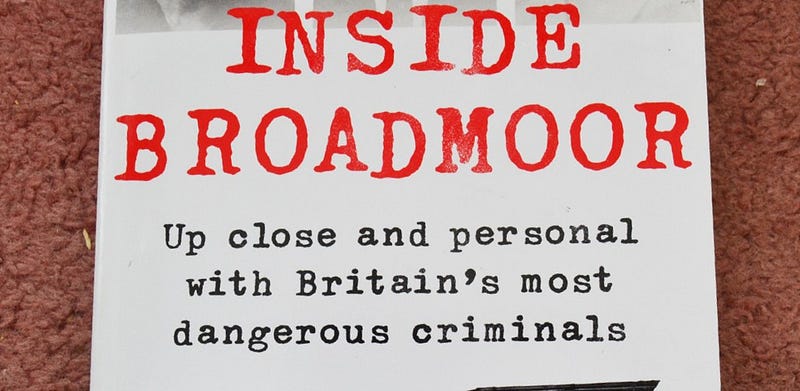
Broadmoor Hospital has been a source of fascination for many people over many years, as notorious criminals including Ronnie Kray and Peter Sutcliffe were sent there for treatment of their insanity.
I’ve been reading about it recently, in a book by Jonathan Levi and Emma French. It accompanies a television programme, which you can watch here.
‘Inside Broadmoor’ explores the history of this notorious lunatic asylum and it opened my eyes to some of the challenges faced by those working at the hospital, and what life is like for those inside.
Far from being dumped at Broadmoor for life, most criminals are now treated and moved out within 5–6 years. It’s incredibly expensive to keep someone in Broadmoor, with each patient costing the tax payer £300,000 a year, compared to £50,000 to hold a prisoner in a traditional prison.
The huge cost, however, reflects the intensive treatment regime that patients of Broadmoor engage in. They have a combination of different drugs and therapies suited to their individual conditions, and a full programme of entertainment, which is intended to help them develop work and life skills, positive interests, and give them a focus on constructive endeavours.
Crafts and making things can, of course, be therapeutic in itself and gives people a sense of achievement and pleasure in achieving a goal. They have an extensive art department, a big educational department, they can do open university degrees, and learn work skills.
Many of the prisoners come from appalling backgrounds, where they’ve experienced terrible cruelty and abuse, and this has affected their mind and the way they behave. Therapies are designed to help them deal with traumas, so they’re able to become better members of society.
One chapter explains how Broadmoor was infiltrated by notorious abuser, Jimmy Savile, for years. He was deliberately brought into the prison to help with the entertainment and given keys to all areas of the prison, where he was left unsupervised. It seems he abused this privilege and may have abused some patients. He stopped visiting when they tightened security at the hospital.
The hospital has been heavily criticised at times for bad policy decisions, including this one.
There have been escapes, and a little girl was killed when one of the prisoners escaped, so they have alarm systems to alert the local community to any escapes, so they can be extra vigilant. The patients are usually captured and returned quickly, and escapes are rare.
Day to Day Life in Broadmoor consists of activities and therapy. Some of this is described in the book…
The creation of a working environment for patients give a sense of structure to the day, as well as allowing them to socialise in a controlled context. Many patients have never experienced this kind of structure and routine before or the sense of a ‘normal’ working life. For many, it’s a major step on the road to recovery, as well as vital self-esteem boost.
The sense of productive manual labour and a tangible end product is for some patients a novel sensation.
With gruelling and emotionally draining treatments, leading to the shock of understanding the crime that landed them in Broadmoor, patients need downtime. Healing. Distraction.
And on the activities…
There are plenty of themed art competitions, including one centred on the big move (they’re moving to a new building) and one for the best decorated ward at Christmas.
Patients can write for the patient magazine. A long running publication, one of its most moving features is poems by patients, often highly eloquent and emotional.
They also have amazing gardens, where they grow vegetables, and there are outdoor activities.
The book is really quite fascinating. Yes there are parts where the hospital reads like a luxury holiday camp. And when you read about the crimes of the people inside, many of whom are serial killers, you might agree with the chap who pointed out that a bullet was cheaper than the £300,000 annual cost of ‘rehabilitation’.
But you also get a sense of the trauma experienced by many of these people, how damaged they are, and the honourable goals of the hospital to help the clinically insane.
Is it a good use of resources? That’s a complicated question. And the answer’s not simple either. Certainly there are success stories and people who are moved from Broadmoor to prison following successful treatment.
Is there room for improvement? Certainly. That’s one of the reasons why the hospital is moving to a new facility that better meets its needs.
Inside Broadmoor by Jonathan Levi and Emma French is published by Blink Publishing.
More book reviews from me…
- Life without Limits by Nick Vujicic — Memoir of a man with no limbs
- Bully In Sight by Tim Field
- From Voiceless To Vocal by Danielle Larson — A memoir of abuse
- Join Medium and read unlimited stories, using my referral link


