avatarJillian Amatt - Artistic Voyages

Free AI web copilot to create summaries, insights and extended knowledge, download it at here

3816

Abstract

b907">We also started getting fresh water trucked in from a nearby city that filled large tanks around the village, plus sent the doctor around to treat many sick people. We also purchased a large supply of pharmaceuticals for the small clinic that was grossly undersupplied.</p><p id="4ac8">Beyond all of this, we realized that their soils were devoid of nutrients and their bad farming practices were doing no favors in helping their crops survive the long drought periods. So we began to impart our knowledge of permaculture and composting to them, in hopes that they would learn how to replace lost nutrients in their soils.</p><p id="9bc3">One of the community members donated a plot of land and we began teaching them composting in hopes to turn the property into a community garden.</p><figure id="73bd"><img src="https://cdn-images-1.readmedium.com/v2/resize:fit:800/1*XFdOJa9lMnQ1GovUr3oYiQ.jpeg"><figcaption></figcaption></figure><figure id="631c"><img src="https://cdn-images-1.readmedium.com/v2/resize:fit:800/1*s1jGvbw_3QBlpHxoJjCCKg.jpeg"><figcaption>3 compost piles in various stages of decomposition. Photo Credit: Author</figcaption></figure><p id="b43d">We ended up being there for 6 months, but at the end of November traveled down to Botswana for a housesitting job that we had lined up over Christmas. We promised that we would return so that we could help them further.</p><p id="0df3">The major problem in the village is that they have no access to fresh water. There are no nearby lakes or rivers, and the community is over a very volcanic area which means that the well water is brackish and salty. The best solution is the one that we had done, truck in fresh water and fill holding tanks.</p><figure id="8343"><img src="https://cdn-images-1.readmedium.com/v2/resize:fit:800/1*zvuowssd1hgG48BhUMEMtg.jpeg"><figcaption>Our friend Cris helped us deliver food on the first day. Photo Credit: Author</figcaption></figure><p id="5e9d">The only problem is that the tanks that are already in the community are privately owned. And all was fine when we filled them during the drought, but the minute the rains come and fill them, the owners don’t want to share anymore. It seems so silly to us, but this is the way it is in Africa, unfortunately.</p><p id="b4b8">So we vowed when we left that we would return to help the village figure out how to get water for all citizens.</p><h2 id="b394">May 2022</h2><p id="480d">In May 2022, after a much-needed break from the village, we returned to work on our water project. Thankfully Uganda has plenty of fresh water that comes out of the mountains, so it is really just a matter of getting it to them. Knowing that trucking it in was the best solution, we set about finding a way to fundraise for a large holding tank.</p><p id="b53c">In June, a friend in Canada told us that she had raised money doing yoga classes and that she wanted to contribute to the village in some way. After researching, we realized that her donation would give us enough to purchase a 10 000 liter tank. This would provide enough water for roughly a week which would satisfy the basic needs of the village.</p><p id="281d">At this point, we were still in Uganda, but not staying in Kikorongo because we were working on a mural project in another city. But we were able to coordinate the purchase of the tank and get them all set up with their first fill-up.</p><p id="2801">We also received enough donations to fix a smaller 5000-liter tank that had gutters from the nearby building that would collect rainwater to fill that tank. The idea was that they could transfer the water from the smaller tank to the bigger tank (which is too tall to receive rainwater from the gutters) when it rained.<b> However, the drought season this year has been longer than expected and they ar

Options

e again receiving very little rain.</b></p><p id="3a5b">With the water situation again at critical levels in the village, I would love to be able to raise some money so they can get the water truck to come and fill up both tanks for them. As we all know, water is life and they spend a large part of their days trying to find water. Right now, they are sending their jerry cans to be filled up at a river which costs time and money to do so. If we can get the tanks filled in the community for the next month or so, I do believe that the rainy season will finally fill them up through the winter.</p><p id="fe0c">They will also collect a fee from each person for fill-ups, which will allow them to save money to have the tanks filled in the future.</p><p id="f035"><b>If you want to learn more about how we have helped this village, you can view videos on our <a href="http://www.youtube.com/c/artisticvoyages">YouTube channel</a>, or can read more than 60 updates on our <a href="https://gofund.me/190cfdbd">GoFundMe</a> page. Of course, we would be more than grateful if you are able to make a small contribution to our fundraising effort. To fill the tanks costs about $100 USD, so a little bit of money really does go a long way.</b></p><p id="1bb0"><b>If you are Canadian, I can accept e-transfers. Please message me and I will send you my email address.</b></p><p id="6063"><b>Thank you in advance for your kindness and compassion.</b></p><p id="4467" type="7">Together We Are Stronger!</p><p id="1b1d"><b>xo Jill</b></p> <figure id="5d6d"> <div> <div> <img class="ratio" src="http://placehold.it/16x9"> <iframe class="" src="https://cdn.embedly.com/widgets/media.html?src=https%3A%2F%2Fwww.youtube.com%2Fembed%2FTon0u1llD4w%3Ffeature%3Doembed&amp;display_name=YouTube&amp;url=https%3A%2F%2Fwww.youtube.com%2Fwatch%3Fv%3DTon0u1llD4w&amp;image=https%3A%2F%2Fi.ytimg.com%2Fvi%2FTon0u1llD4w%2Fhqdefault.jpg&amp;key=a19fcc184b9711e1b4764040d3dc5c07&amp;type=text%2Fhtml&amp;schema=youtube" allowfullscreen="" frameborder="0" height="480" width="854"> </div> </div> </figure></iframe></div></div></figure><figure id="a0d8"><img src="https://cdn-images-1.readmedium.com/v2/resize:fit:800/1*IDlDKuxoG0gmCX-cVp-Utw.png"><figcaption></figcaption></figure><div id="a561" class="link-block"> <a href="https://artisticvoyages.medium.com/trying-to-find-out-who-i-am-2df933941fff"> <div> <div> <h2>Trying to Find Out Who I Am?</h2> <div><h3>You are in the right place.</h3></div> <div><p>artisticvoyages.medium.com</p></div> </div> <div> <div style="background-image: url(https://miro.readmedium.com/v2/resize:fit:320/1*TI3uoe0kHwRUaEK1YN6x_A.jpeg)"></div> </div> </div> </a> </div><p id="99c7"><b><i>Subscribe to Medium through my <a href="https://artisticvoyages.medium.com/membership">referral link</a> (I will earn a small commission) to get full access to my writing plus thousands of others! Plus sign up <a href="https://artisticvoyages.medium.com/subscribe">here</a> to get my articles by email!</i></b></p><p id="ef7c"><i>Join our adventure by hitting the links below!</i></p><p id="96b1"><a href="http://www.artisticvoyages.com/">Website</a> | <a href="http://www.instagram.com/artisticvoyages">Instagram</a> | <a href="http://www.facebook.com/artisticvoyages">Facebook</a> | <a href="http://www.twitter.com/artisticvoyages">Twitter</a> | <a href="http://www.patreon.com/artisticvoyages">Patreon</a>|<a href="http://www.youtube.com/c/artisticvoyages"> YouTube</a> | <a href="https://artisticvoyages.medium.com/">Mediu</a>m</p></article></body>

HUMANITARIAN AID | WATER IS LIFE

Bringing Water To a Village In Uganda

It’s taken a while, but we finally found a solution.
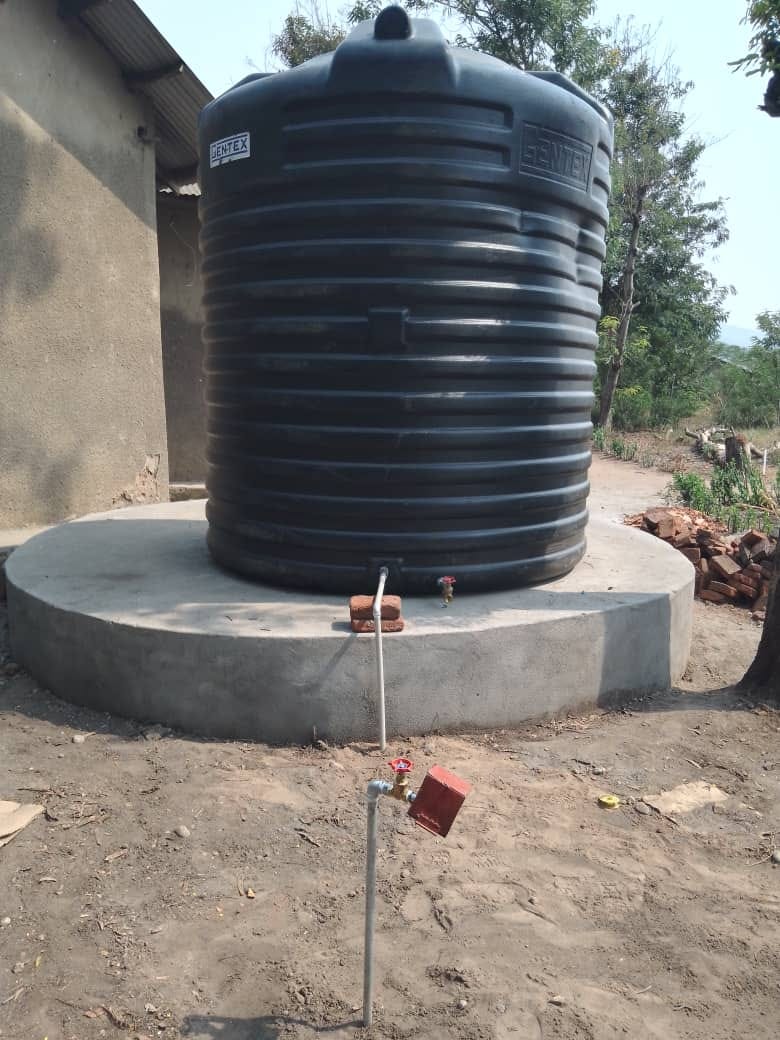
10 000 litre water tank installed in the village. Photo Credit: Cris Kaseske — Used With Permission

I haven’t written much about our experience in Uganda in 2021 when we came across a starving village. It is something that I think we are still processing, and it’s difficult to form words around something so enormous.

June 2021

Last year, in June of 2021, we were painting murals at an accommodation provider, as we do, when we learned that the nearby village was quite literally starving. The village's name is Kikorongo.

We had been in the area for a month by then and noticed that the village was getting quieter and quieter and even commented on it one day. All the stores were closed and there were barely any people in the streets. We wondered if it was a holiday of some sort.

A couple of days later, our host went into the village and came back with dire news. He learned that people were so hungry and thirsty that they were just sleeping all day. People weren’t opening their shops because nobody had money to buy anything, plus they didn’t have the energy to do so.

Two main things caused this unfortunate turn of events. Covid had devastated the local economy that depended on tourism to keep them afloat, plus the government had instituted a transportation lockdown meaning that they couldn’t travel to get any supplies. They were also experiencing a long drought which had killed all the agricultural crops in the region.

We witnessed the decline of the crops firsthand during our first month there.

With no food growing and no economy happening, we could see that this village was in the beginning stages of collapse.

I immediately made a video requesting to friends that funds be sent to help feed the village. Thankfully the village is just a couple hundred houses, so we weren’t dealing with a huge population. We wanted to just purchase the basics that they would need, corn flour, cassava flour, and dried beans.

I put the video on Facebook and by morning we had received $3000 CAD through Canadian e-transfers direct to our bank account. The next day Chris and our host made their way into the nearby city and purchased the food required to feed the entire village. In my video, I said that we would only need $300 to feed the whole village, but this turned out to not be the case. We would learn over time that it cost about $1500/week to feed everyone, and we managed to raise enough money to do so for 12 weeks.
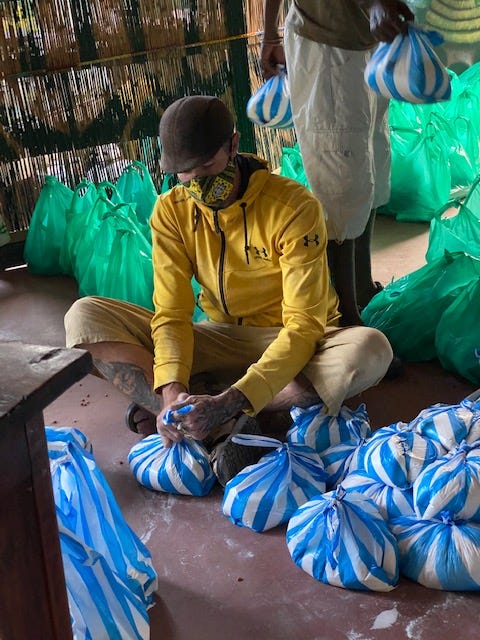
Chris packing bags of food for delivery the following day. Photo Credit: Author

We also started getting fresh water trucked in from a nearby city that filled large tanks around the village, plus sent the doctor around to treat many sick people. We also purchased a large supply of pharmaceuticals for the small clinic that was grossly undersupplied.

Beyond all of this, we realized that their soils were devoid of nutrients and their bad farming practices were doing no favors in helping their crops survive the long drought periods. So we began to impart our knowledge of permaculture and composting to them, in hopes that they would learn how to replace lost nutrients in their soils.

One of the community members donated a plot of land and we began teaching them composting in hopes to turn the property into a community garden.
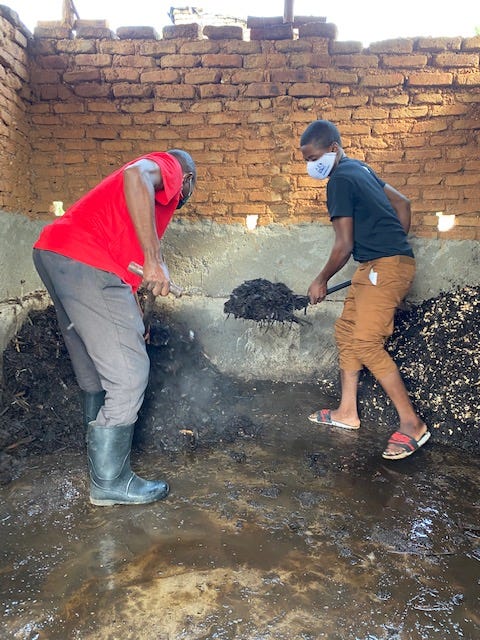
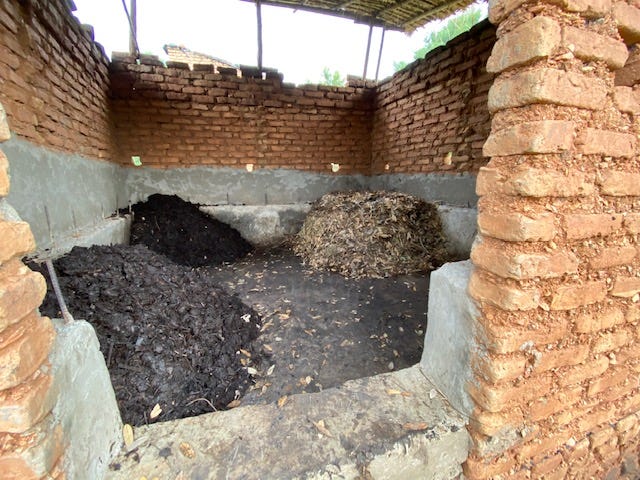
3 compost piles in various stages of decomposition. Photo Credit: Author

We ended up being there for 6 months, but at the end of November traveled down to Botswana for a housesitting job that we had lined up over Christmas. We promised that we would return so that we could help them further.

The major problem in the village is that they have no access to fresh water. There are no nearby lakes or rivers, and the community is over a very volcanic area which means that the well water is brackish and salty. The best solution is the one that we had done, truck in fresh water and fill holding tanks.
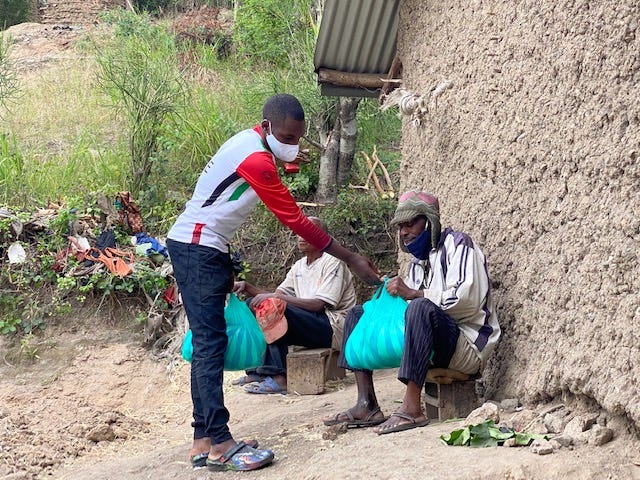
Our friend Cris helped us deliver food on the first day. Photo Credit: Author

The only problem is that the tanks that are already in the community are privately owned. And all was fine when we filled them during the drought, but the minute the rains come and fill them, the owners don’t want to share anymore. It seems so silly to us, but this is the way it is in Africa, unfortunately.

So we vowed when we left that we would return to help the village figure out how to get water for all citizens.

May 2022

In May 2022, after a much-needed break from the village, we returned to work on our water project. Thankfully Uganda has plenty of fresh water that comes out of the mountains, so it is really just a matter of getting it to them. Knowing that trucking it in was the best solution, we set about finding a way to fundraise for a large holding tank.

In June, a friend in Canada told us that she had raised money doing yoga classes and that she wanted to contribute to the village in some way. After researching, we realized that her donation would give us enough to purchase a 10 000 liter tank. This would provide enough water for roughly a week which would satisfy the basic needs of the village.

At this point, we were still in Uganda, but not staying in Kikorongo because we were working on a mural project in another city. But we were able to coordinate the purchase of the tank and get them all set up with their first fill-up.

We also received enough donations to fix a smaller 5000-liter tank that had gutters from the nearby building that would collect rainwater to fill that tank. The idea was that they could transfer the water from the smaller tank to the bigger tank (which is too tall to receive rainwater from the gutters) when it rained. However, the drought season this year has been longer than expected and they are again receiving very little rain.

With the water situation again at critical levels in the village, I would love to be able to raise some money so they can get the water truck to come and fill up both tanks for them. As we all know, water is life and they spend a large part of their days trying to find water. Right now, they are sending their jerry cans to be filled up at a river which costs time and money to do so. If we can get the tanks filled in the community for the next month or so, I do believe that the rainy season will finally fill them up through the winter.

They will also collect a fee from each person for fill-ups, which will allow them to save money to have the tanks filled in the future.

If you want to learn more about how we have helped this village, you can view videos on our YouTube channel, or can read more than 60 updates on our GoFundMe page. Of course, we would be more than grateful if you are able to make a small contribution to our fundraising effort. To fill the tanks costs about $100 USD, so a little bit of money really does go a long way.

If you are Canadian, I can accept e-transfers. Please message me and I will send you my email address.

Thank you in advance for your kindness and compassion.

Together We Are Stronger!

xo Jill

Subscribe to Medium through my referral link (I will earn a small commission) to get full access to my writing plus thousands of others! Plus sign up here to get my articles by email!

Join our adventure by hitting the links below!

Website | Instagram | Facebook | Twitter | Patreon| YouTube | Medium

Humanitarian Aid
Humanitarian
Water
Water Crisis
Helping Others
Recommended from ReadMedium