avatarFrancis K

Free AI web copilot to create summaries, insights and extended knowledge, download it at here

1735

Abstract

ig plants, small plants. Potted plants. Plants that come in cute flower vases. Small cactus plants. Succulents such as aloe vera. Foliage plants. Flowery plants that are colourful. Orchids. Plants that are real, plants that are artificial.</p><p id="26c4">But then you might be wondering why the increased attention to indoor plants.</p><p id="bcd5">The interest in indoor plants arose in the early 19th Century during industrialization. So, they aren’t the doing of the modern world. During the industrialization age, many workers were migrating from rural areas into urban centers in search of work.</p><p id="b270">As people desired to make their homes feel more like the countryside that they missed, the integration of house plants became a thing. Additionally, the <a href="https://victorianweb.org/victorian/science/botany/1.html">increased study of botany</a> led more people to develop an interest in having indoor plants.</p><p id="6794">Fast track to the modern world of social media and Zoom calls. Indoor plants are still as equally important as they were during those years. I identified 3 main ways plants can be of high benefit to you today and perhaps why you should own one.</p><h2 id="61e2">Plants and indoor quality of life</h2><p id="1bfb">I think one of the most obvious reasons for owning an indoor plant is to improve the indoor quality of life.</p><p id="6db5">How?</p><p id="8f6b">By beautifying the living space and enhancing aesthetics. Plants can not only add aesthetics to your living room or working space but also, enhance the air quality of the indoor space.</p><p id="f875">Through photosynthesis, the plants absorb carbon dioxide and pollutants and release oxygen. This process improves the air quali

Options

ty. The plants also release water vapour which increases the air humidity.</p><h2 id="6e41">Plants and productivity</h2><p id="8d76">Indoor plants also improve productivity. A <a href="https://greenplantsforgreenbuildings.org/wp-content/uploads/2014/09/2014GreenvsLeanOffices1-3.pdf">study</a> in 2014 conducted in the Netherlands showed that adding plants could improve productivity by up to 15% within the workspace.</p><p id="b678">The arguments cite that the use of indoor plants leads to more relaxed atmospheres where individuals are comfortable. People are less stressed when they work in a room that has few indoor plants. Being able to see natural beauty within the workspace leads to improved mood and self-esteem.</p><p id="1661">You will think more creatively if you are staring at that echinacea plant in your office!</p><h2 id="2ff3">Plants and therapy</h2><p id="d20c">Gardening and taking care of plants are also therapeutic. As you learn to nurture and care for plants, feelings of well-being emerge as a result.</p><p id="f91a">Research shows that gardening improves mental health by making you more peaceful and content. Your mood also improves and you feel more positive.</p><h2 id="7027">Takeaway</h2><p id="16a9">Indoor plants are a blessing in disguise. They will brighten your workspace or living area and help lighten your mood. What’s more, as you tend and nurture them, you will feel better about yourself and become more positive.</p><p id="6c04"><i>Want to read more of my ideas on productivity, wellness and tech? Kindly <a href="https://medium.com/@fkagfrancis/membership">follow me</a> on Medium. Maybe buy me a coffee <a href="https://www.buymeacoffee.com/fkagfrancis">here</a></i></p></article></body>

Bringing The Outside In: Why I Bought an Indoor Plant

Bring in the flowers and potted plants
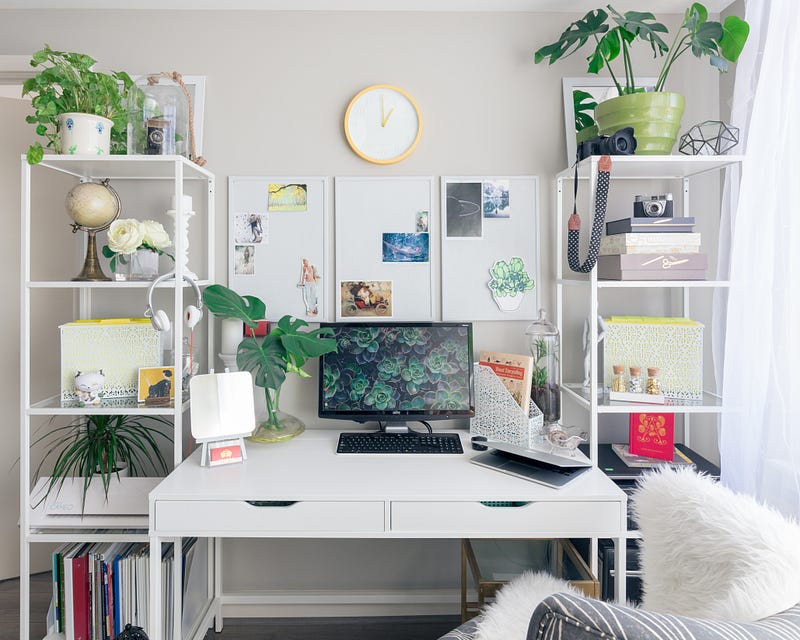
Photo by Slava Keyzman on Unsplash

Plants have been slowly taking over the living and working space. During the Covid-19 pandemic when all we did was stay at home, there was a boom in the sale of houseplants.

Gardening Express, one of the leading vendors of house plants in the UK reported that in 2020, they had a sale of up to 3000% for plants such as echinacea, ginkgo, sambucus, and green tea.

Today, the lockdown is no longer there. However, chances are that you might have interacted with an indoor plant somewhere during your day. It might have been in that Zoom call where the plant remained subtle in the background or in your workplace.

I learned that Google’s offices, such as New York, have many indoor plants as part of their decor.
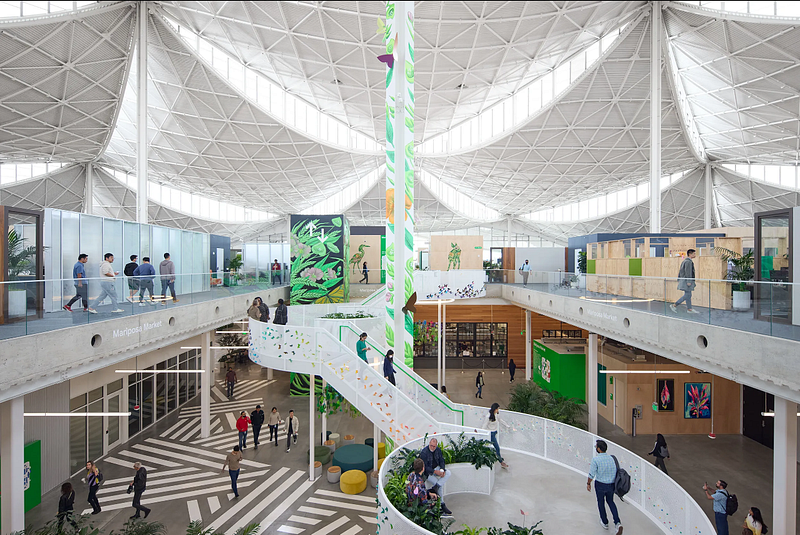
Google’s Bay View office in Mountain View, CaliforniaPhoto: Mark Wickens for Google

Indoor plants come in all shapes and sizes.

Big plants, small plants. Potted plants. Plants that come in cute flower vases. Small cactus plants. Succulents such as aloe vera. Foliage plants. Flowery plants that are colourful. Orchids. Plants that are real, plants that are artificial.

But then you might be wondering why the increased attention to indoor plants.

The interest in indoor plants arose in the early 19th Century during industrialization. So, they aren’t the doing of the modern world. During the industrialization age, many workers were migrating from rural areas into urban centers in search of work.

As people desired to make their homes feel more like the countryside that they missed, the integration of house plants became a thing. Additionally, the increased study of botany led more people to develop an interest in having indoor plants.

Fast track to the modern world of social media and Zoom calls. Indoor plants are still as equally important as they were during those years. I identified 3 main ways plants can be of high benefit to you today and perhaps why you should own one.

Plants and indoor quality of life

I think one of the most obvious reasons for owning an indoor plant is to improve the indoor quality of life.

How?

By beautifying the living space and enhancing aesthetics. Plants can not only add aesthetics to your living room or working space but also, enhance the air quality of the indoor space.

Through photosynthesis, the plants absorb carbon dioxide and pollutants and release oxygen. This process improves the air quality. The plants also release water vapour which increases the air humidity.

Plants and productivity

Indoor plants also improve productivity. A study in 2014 conducted in the Netherlands showed that adding plants could improve productivity by up to 15% within the workspace.

The arguments cite that the use of indoor plants leads to more relaxed atmospheres where individuals are comfortable. People are less stressed when they work in a room that has few indoor plants. Being able to see natural beauty within the workspace leads to improved mood and self-esteem.

You will think more creatively if you are staring at that echinacea plant in your office!

Plants and therapy

Gardening and taking care of plants are also therapeutic. As you learn to nurture and care for plants, feelings of well-being emerge as a result.

Research shows that gardening improves mental health by making you more peaceful and content. Your mood also improves and you feel more positive.

Takeaway

Indoor plants are a blessing in disguise. They will brighten your workspace or living area and help lighten your mood. What’s more, as you tend and nurture them, you will feel better about yourself and become more positive.

Want to read more of my ideas on productivity, wellness and tech? Kindly follow me on Medium. Maybe buy me a coffee here

Indoor Plants
Health
Wellness
Productivity
Therapy
Recommended from ReadMedium