
Bringing Minimalism to Your Landscape
You can enjoy your outdoor space without making a second career out of maintaining it.
For many people the idea of minimalism conjures up images of sparse, spartan-like living. There are few furnishings and little or no extraneous decor to clutter the living space. Taken to its limit, this may be a realistic impression. For most people, however, it doesn’t have to be that restrictive.
On a broader scope, minimalism is about eliminating anything that doesn’t fit at least one of the criteria of being useful, necessary or appealing. Those things which are necessary to normal living, aid in making normal living easier and more pleasant, or fall under the category of something you feel adds beauty and peace to your environment are the basics of what a good minimalist existence should be. Everything else is just clutter.
This concept can easily be applied to your outdoor living space, as well. Unless you live on the tenth floor of a high rise apartment building and have nothing but concrete and asphalt to surround your world, you can probably benefit from creating a minimalist landscape that is both pleasing and relatively low maintenance.
First and foremost, you need to learn to embrace your climate. Grow what is native to your area. Forget about trying to cultivate tropical plants outdoors in a climate that typically sees snow for half the year and drizzling rain for another quarter of that year.
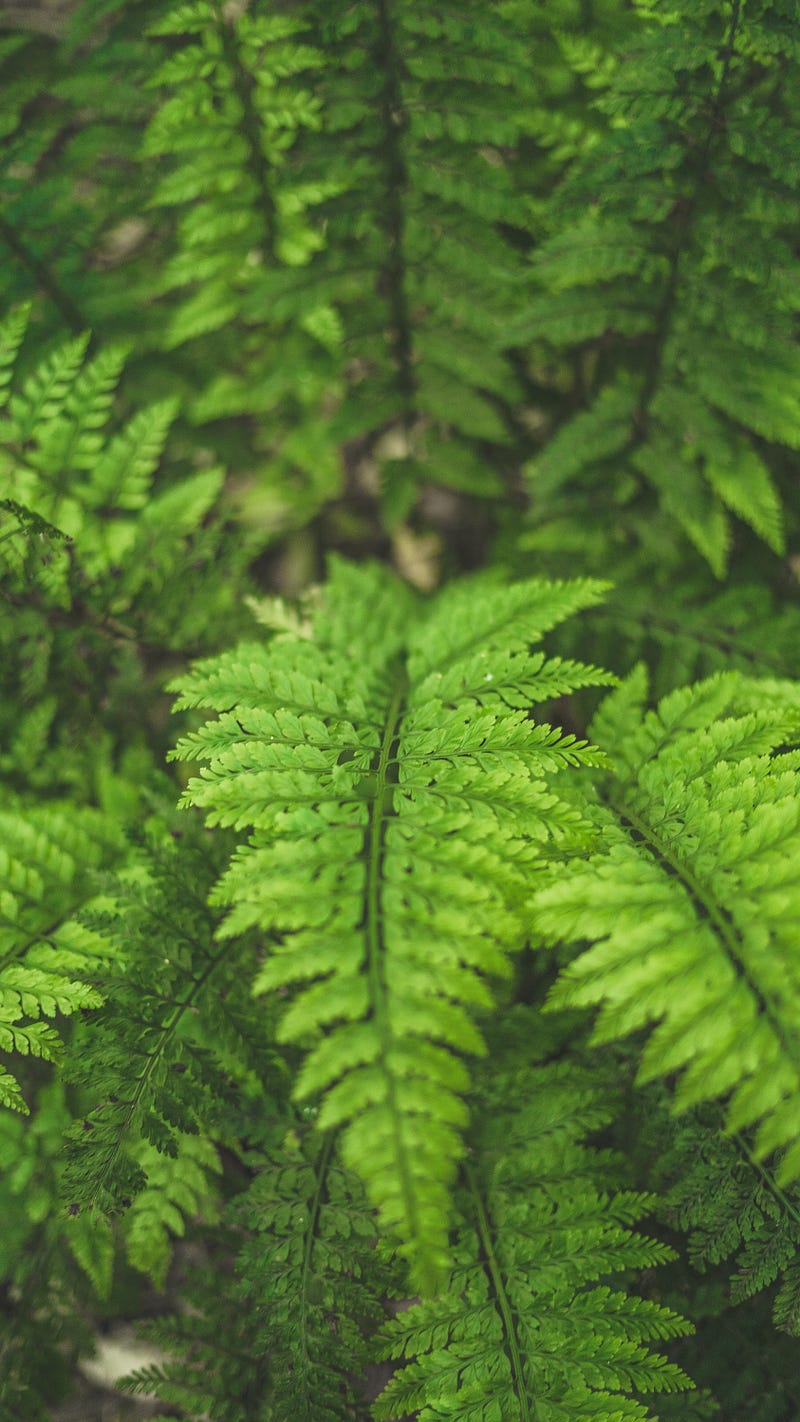
Native plants and foliage are more likely to thrive in the same type of environment where they have traditionally grown for the last many centuries. Don’t try to recreate an ecological niche where it doesn’t exist. You will find it to be an uphill battle that you will probably lose.
Think big, as in twelve month, year round landscape ideas. Plant perennials that will return on their own year after year. Save those flowering annuals for a few accent pots you can put out in the spring to add an additional splash of color and dump in the compost heap by the end of summer when they shrivel up and die.
Evergreens come in a wide variety of shapes and sizes. Once established, most evergreens continue to live on year after year with little more than an occasional pruning here and there to keep their shapely contours.
Ground cover or mulch will go a long way to covering up those seemingly endless stretches of dirt in gardens or lawns. Many ground covers will continue to spread and fill in bare spaces as the years go by. Your landscape will become more beautiful with each passing year with no further effort on your part.
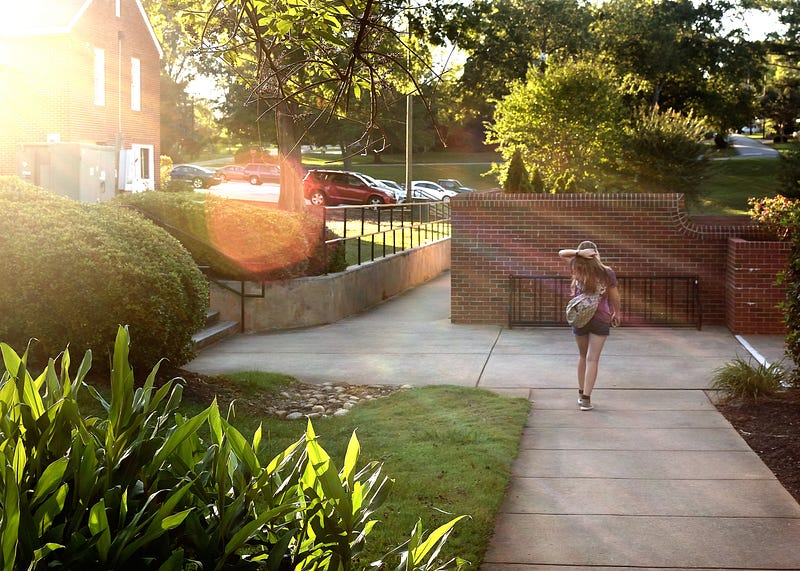
Everything in your landscape doesn’t have to be green and growing to be beautiful. Hardscaping is a concept that brings stones, paving bricks, brick patio stones, stone walls, fountains, decks, lamp posts or fire pits into your landscape, often adding both form and function. Hardscaping may allow you space to enjoy your outdoor world and become a part of the natural beauty itself instead of just looking at it through your window.
RECENT STORIES