
A brief history of the deaths of our mothers
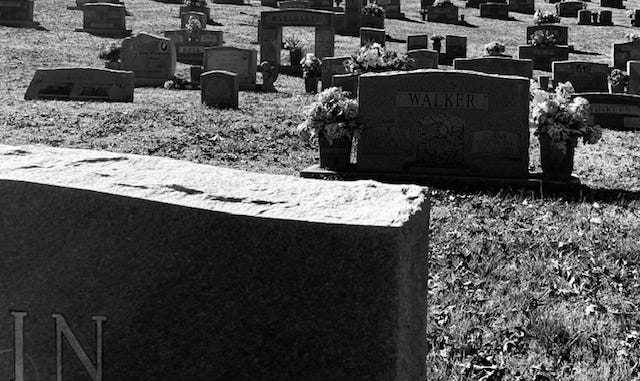
Our mothers are dying, and we attend their funerals in turn. Their husbands, our fathers, wander aimlessly among the other graves, silent and lost, stumbling across the uneven ground in loose, ill-fitting suits.
After each service we, their sons, reminisce about our youth, the days before this sort of anguish became part of the equation. It’s surprisingly easy, this coming together again, given the enormous gulf of years that has separated us. The old connections remain and flare quickly in the dry tinder of our childhood memories. Later we exchange phone numbers and vow to stay in touch, although we will not speak again until the next mother is dead.
Our truth is that we have all moved into other places in our lives and no longer have time for the past. We have collectively reached that stage of life where the horizon no longer retreats before us. Our bodies and minds are becoming dusky with age and we will soon be forced to consider our own mortality.
But this is how we move through time. We all tread the same path, drink from the same cup. On the final day, our disparities, our differences, will be shorn away and we will be equal in every respect. Inequality exists only among the living.
Driving home, my hands still heavy from the weight of carrying the coffin of another woman who once treated me kindly, it occurs to me that the dead truly do receive rest. Or at least reach some ill-defined stasis that affords relief from this world. We, the living, will continue to be diminished. We weep for the dead, but that’s our problem. One less back to bear the weight. One less set of hands pulling on the rope. The dead themselves, secure in the dark silence of the earth, hold no such burdens.