
Bridging the Gap: The Power of Integrating UX Design and Marketing Strategy for B2B High-Tech Marketing Websites
Throughout my experience in marketing and UX design, I have consistently observed a disconnect between these two vital disciplines. It is time to break down these barriers and recognize the immense value that comes from integrating UX design and marketing strategy. In today’s digital landscape, UX is not simply a component of design or branding; it serves as the gateway to how customers interact with your brand, content, and product information.
Enhancing the customer experience is a key driver of business success. Consider ESPN.com, for instance, which implemented user feedback to enhance their website design and witnessed an impressive 35% increase in revenues. On the flip side, businesses cannot afford to overlook the impact of poor online experiences, as they can lead to failure. In fact, research indicates that subpar usability puts 70% of businesses at risk. By incorporating UX design principles, businesses can minimize frustrations caused by slow page loading, confusing navigation, irrelevant content, and unclear instructions for their online customers.
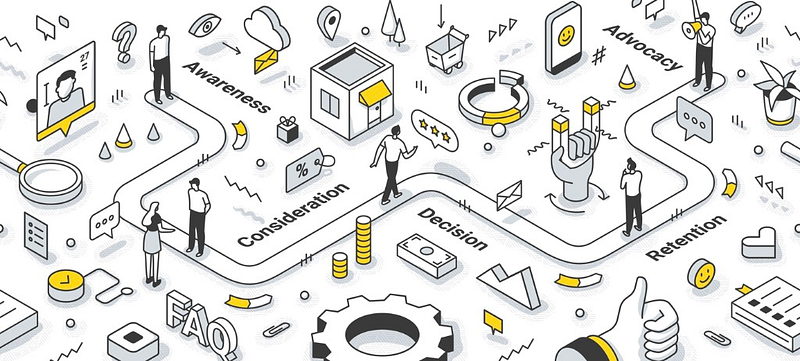
Marketing and UX share similarities as they both prioritize the user, albeit with different objectives. Marketing aims to enhance product value through branding and special offerings, while UX focuses on streamlining user interactions and reducing effort. Integrating these disciplines improves website usability and utility.
To foster effective collaboration, UX teams need to understand the purpose of marketing, which involves promoting products, understanding the market, and engaging customers. UX encompasses designing for all user touchpoints across various channels. Tensions can arise due to conflicting priorities. Effective collaboration necessitates open communication, sharing insights, and designing shared personas. Aligning key performance indicators (KPIs) encourages collaboration, benefiting sales, conversions, and informing design decisions.
Strong marketing and UX are indispensable for achieving business success. Collaboration between these disciplines supports users, aligns efforts, and drives growth.
Let’s explore the compelling benefits of this integration and draw inspiration from successful examples.
1. Enhanced User Experience: Creating a Win-Win Scenario
Integrating UX design and marketing strategy ensures that websites are meticulously designed to serve both users and businesses. By understanding user needs, preferences, and behaviors, UX designers craft intuitive and user-friendly interfaces that simplify navigation and information discovery. This drives improved user satisfaction, engagement, and ultimately aligns with marketing KPIs.
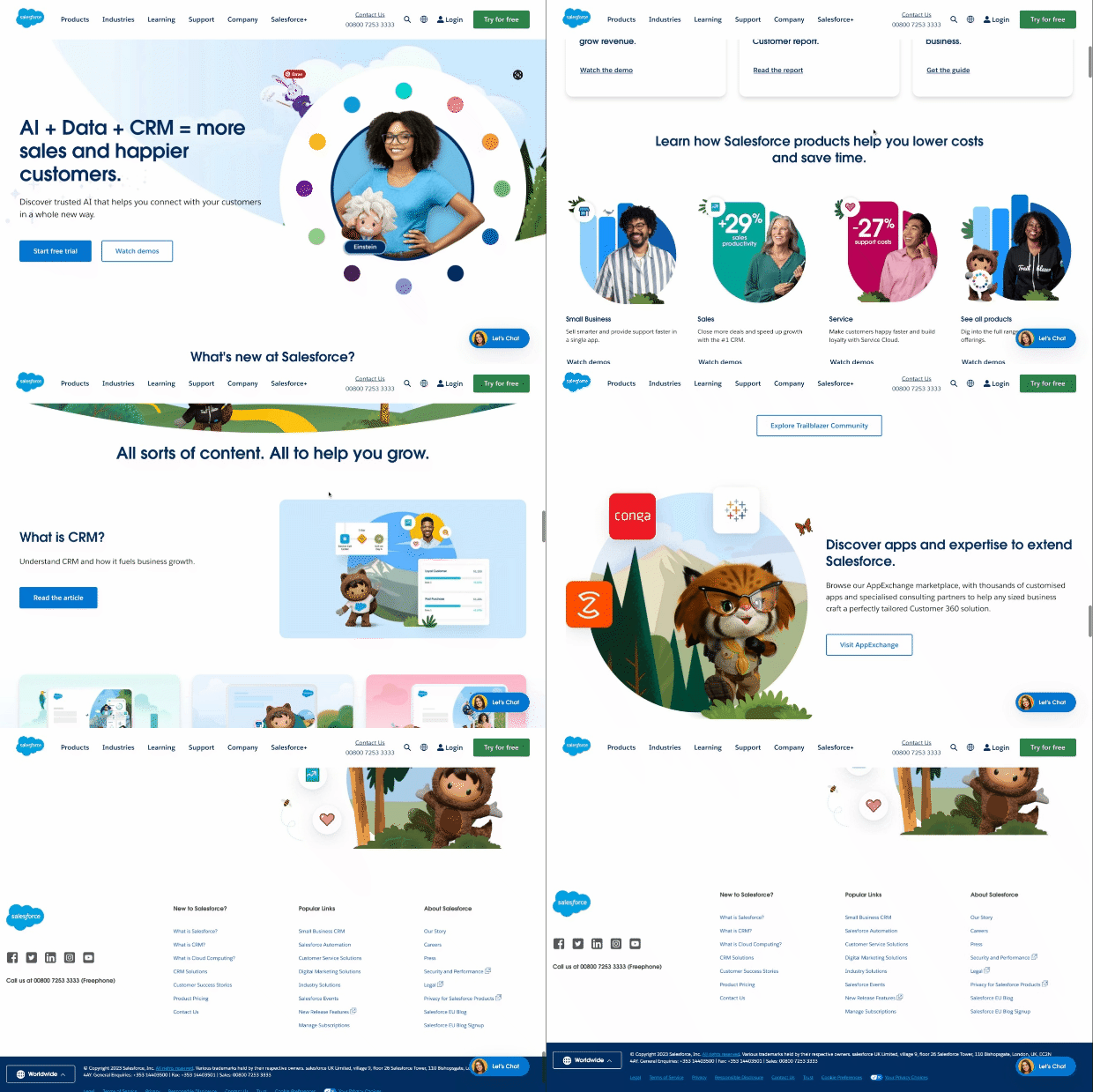
Example: Salesforce.com has mastered the integration of UX design and marketing strategy, providing seamless user experiences with clear navigation, intuitive interfaces, and easy access to product and service information. Their website design harmoniously amplifies their marketing messaging, helping potential customers grasp their value proposition.
2. Consistent Branding: Building Trust at Every Touchpoint
Integrating UX design and marketing strategy ensures visual elements, messaging, and overall branding align flawlessly. A consistent brand experience across touchpoints establishes trust and strengthens a company’s market position. UX designers collaborate with marketers to ensure that design elements, color schemes, typography, and imagery reflect the brand’s identity and resonate with the target audience.
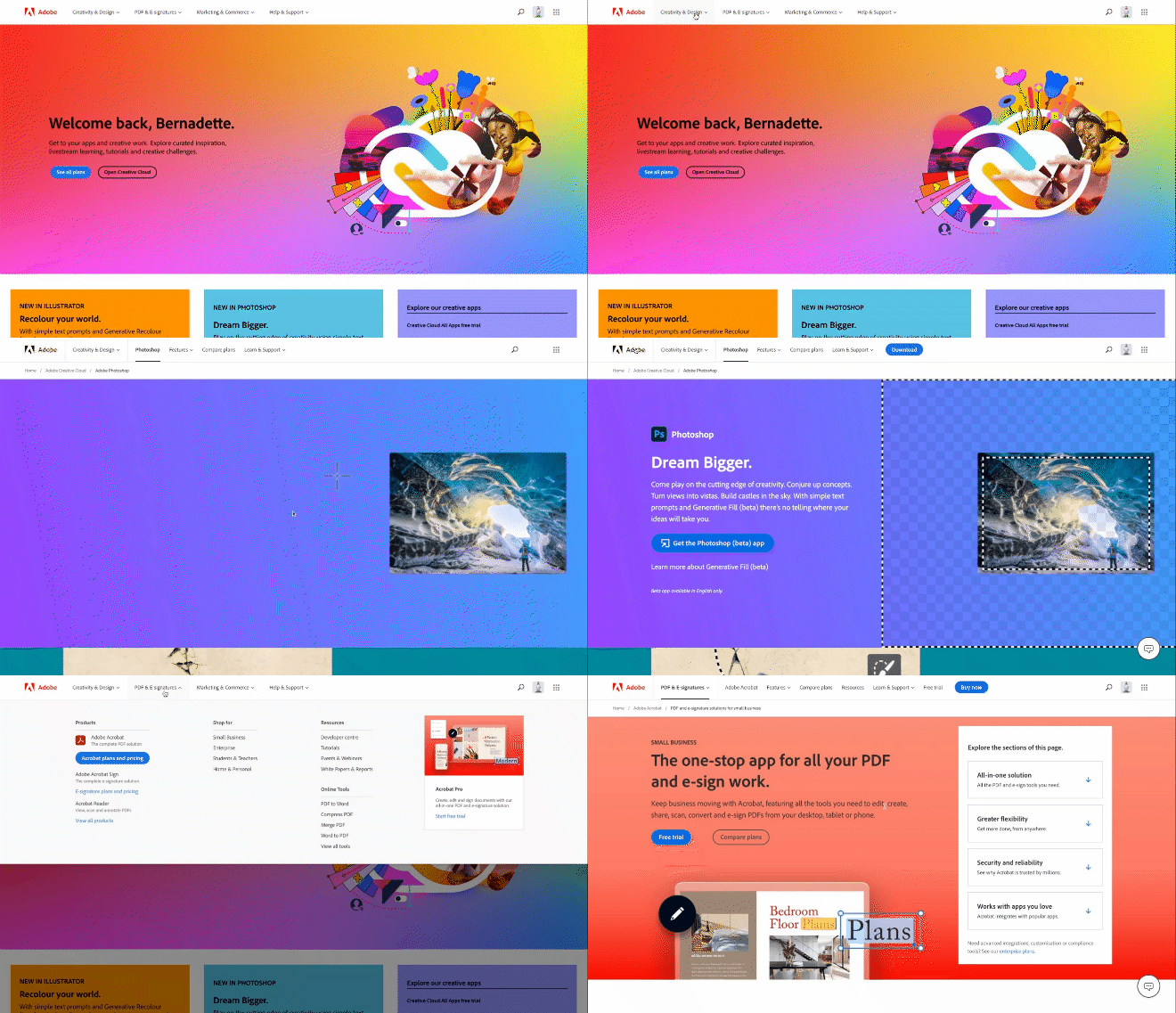
Example: Adobe seamlessly integrates UX design and marketing strategy, showcasing a cohesive brand experience. Their website design, from typography to color palette and imagery, aligns with marketing messaging, captivating users with a visually appealing and engaging experience.
3. Improved Conversion Rates: Guiding Users to Success
The integration of UX design and marketing strategy empowers websites to optimize conversions effectively. By analyzing user behavior, UX designers identify pain points and optimize design and user flow to eliminate conversion barriers. Marketers collaborate with UX designers to incorporate persuasive messaging, strategic calls-to-action, and conversion elements, resulting in higher conversion rates.
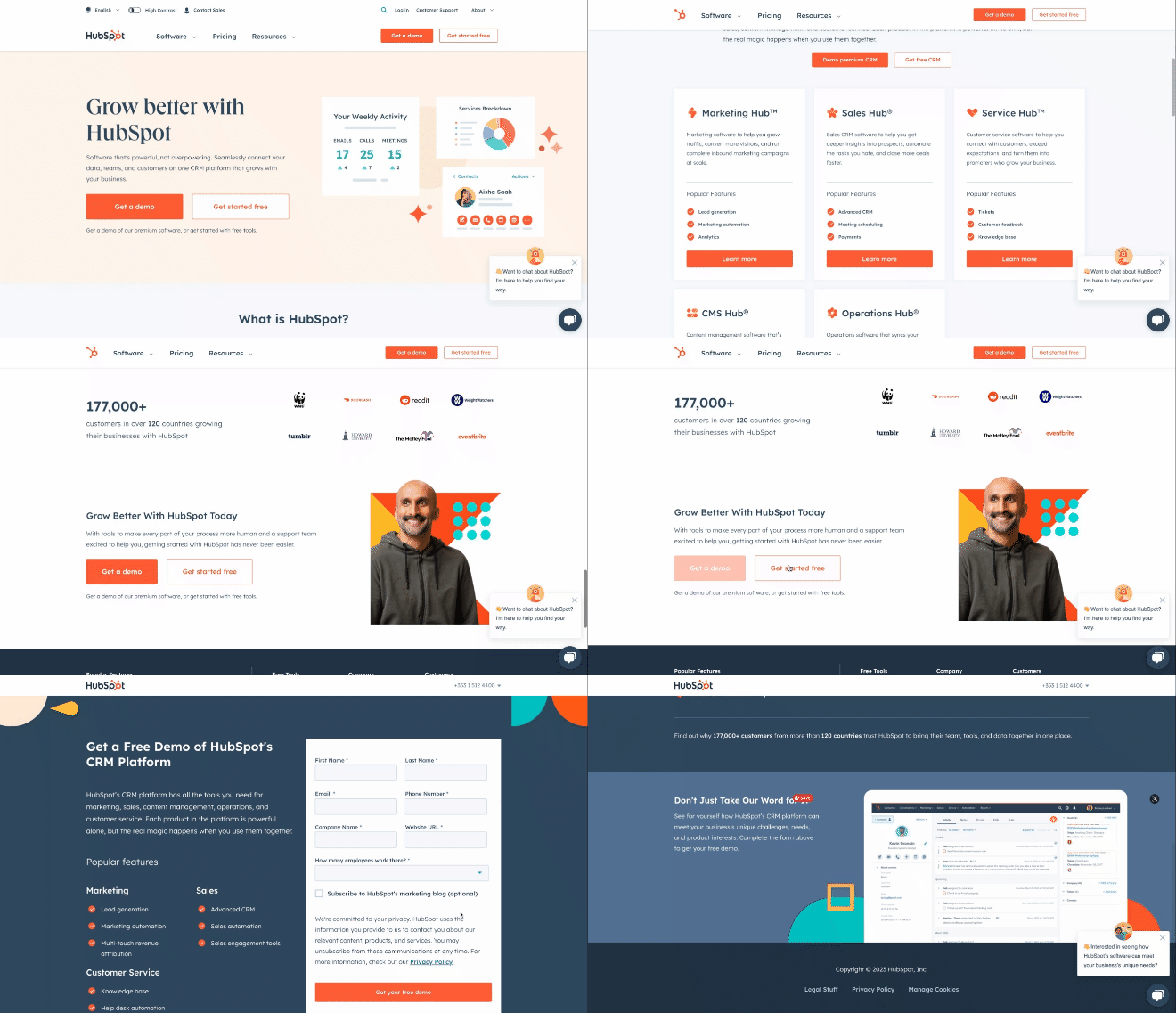
Example: HubSpot effectively integrates UX design and marketing strategy on their website, employing data-driven design decisions and strategic placement of conversion elements. This user-centric approach guides visitors seamlessly through the conversion funnel, transforming them into valuable leads.
4. Data-Driven Decision Making: Elevating Performance with Insights
Integrating UX design and marketing strategy allows for data-driven website optimization. UX designers conduct usability tests, user research, and analytics analysis to glean insights on user behavior and preferences. Marketers leverage this data to refine marketing strategies, target specific audience segments, and personalize the user experience, enhancing overall performance.
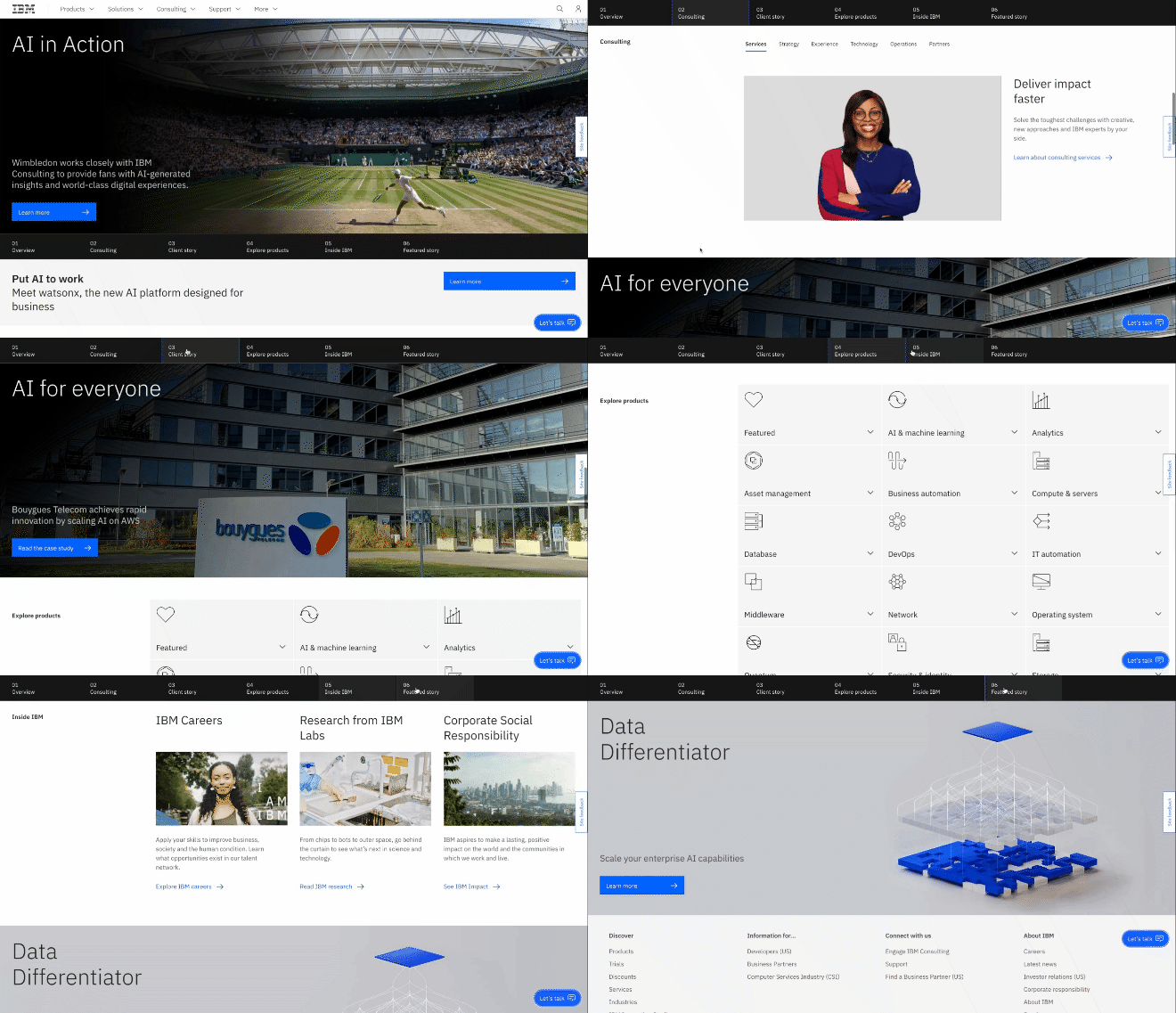
Example: IBM harnesses the power of UX design and marketing strategy integration, leveraging data-driven decision making. Their website incorporates personalization based on user behavior, delivering targeted content and experiences that align marketing efforts with user needs, successfully catering to B2B customers.
In conclusion, integrating UX design and marketing strategy for B2B high-tech marketing websites offers numerous benefits. It enhances the user experience, ensures consistent branding, improves conversion rates, and enables data-driven decision making. Successful integrations, such as those employed by Salesforce.com, Adobe, HubSpot, and IBM, demonstrate the power of combining UX design and marketing strategy to create effective and engaging B2B websites.
References:
Integrating B2B Digital Marketing & User Experience (UX) Design
UX & Marketing: Balancing Business Goals and Supporting Users


