
Bridges: They Cross Obstacles and Save Us Time
For centuries!
All photos in this story were taken by the author and are not to be copied or reproduced.
When I first saw the Globetrotter monthly challenge for February, I was annoyed with myself: I’d published a story on the same subject last year for the photographic publication In Living Color also owned by JoAnn Ryan.
The challenge is to represent photographs from A-Z; given I had many bridge pics for the letter B, I wrote my story based on that.
But, knowing my photographic vault is a bottomless pit and always expanding, I took a gander at what I had left to share.
Plenty, of course!
Here goes for a whirlwind bridge trip around France, Italy, Canada and New Zealand checking out some amazing structures I’ve walked or driven across — or under!
Italy
My lead picture — and the following one — are from my 1991 trip around Europe when digital film didn’t exist. I recently bought a negative converter and was rather pleased with the results.
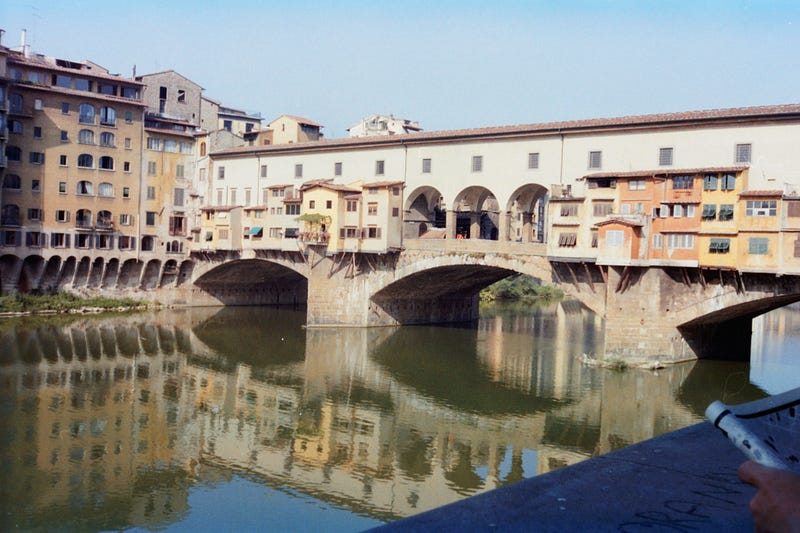
The first bridge (in my lead photograph) is the Ponte Vecchio pedestrian bridge in Florence. Built in 1345, it somehow managed to survive floods and World War II. Once home to butcher and fishmonger stores, it is now a tourist paradise for gold and jewellery shopping.
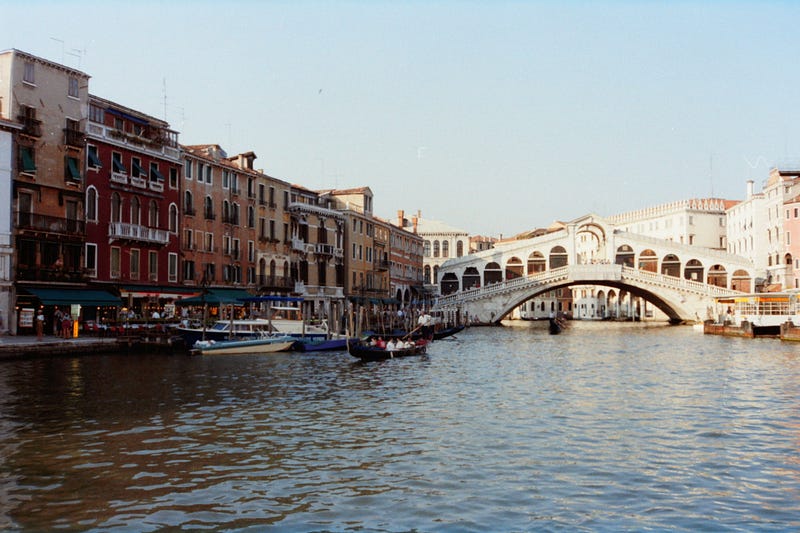
The Rialto bridge in Venice is equally charming, especially with the gondola traffic below. The city is fascinating because it’s so darn close to the water. All I could think of was negative things about infrastructure being surrounded by water.
Mould? Rats? Disease? How often does it flood? As much as it was a unique city to visit, I can’t imagine living there.
France
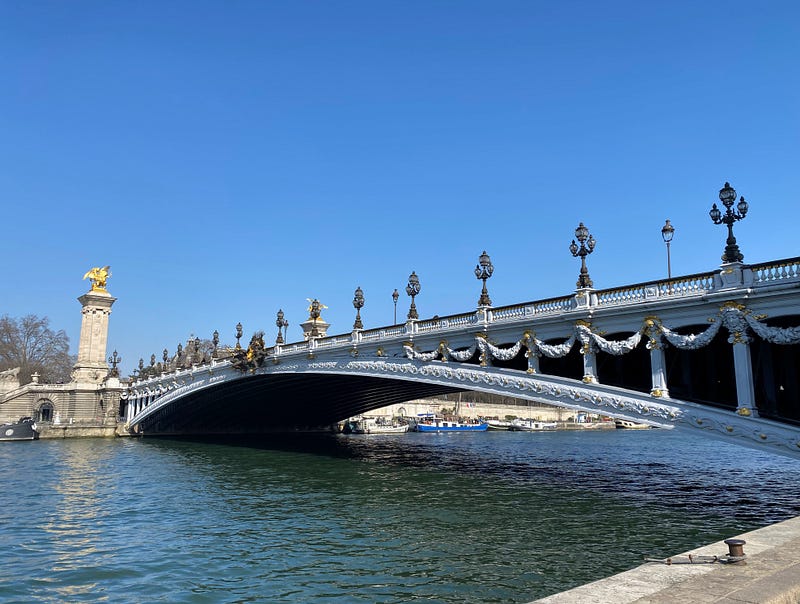
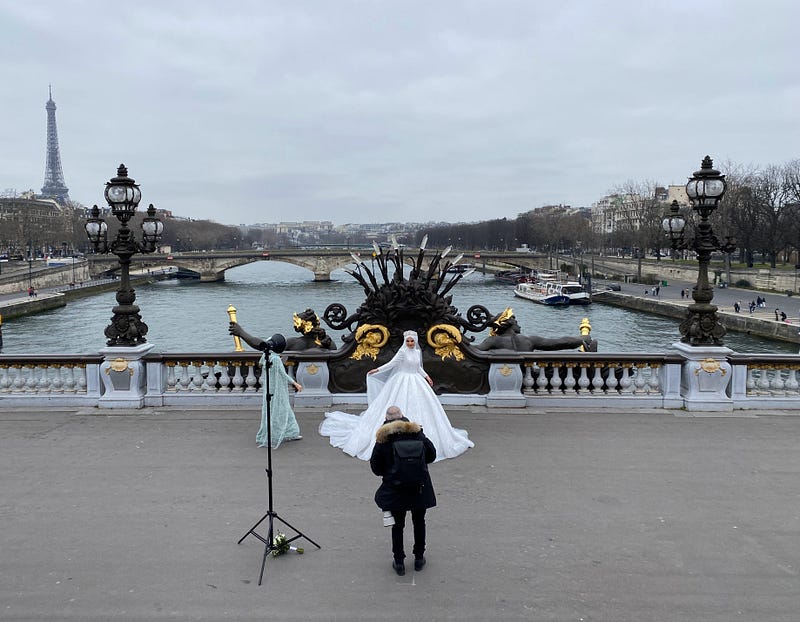
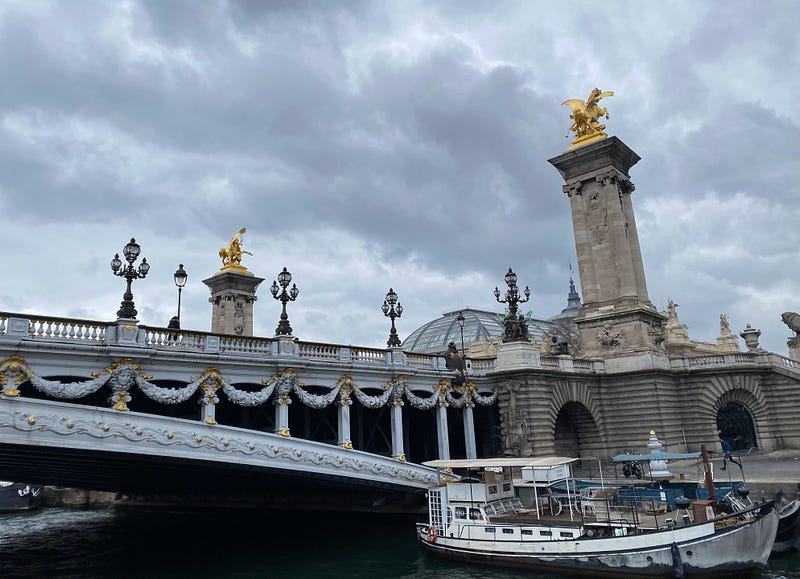
Touted as one of the most beautiful bridges in the world, the Pont Alexandre III is more a piece of art than a functional bridge. I had the privilege of seeing it from all angles while in Paris recently.
The towering gilt-bronze statutes of Pegasus, depictions of nymphs and cherubs and detailed columns and balustrades are a feast for the eyes. I wish I had my ‘borrowed’ camera to take better shots than these!
Canada
Since I live in Montréal, my story now becomes Canada-heavy!
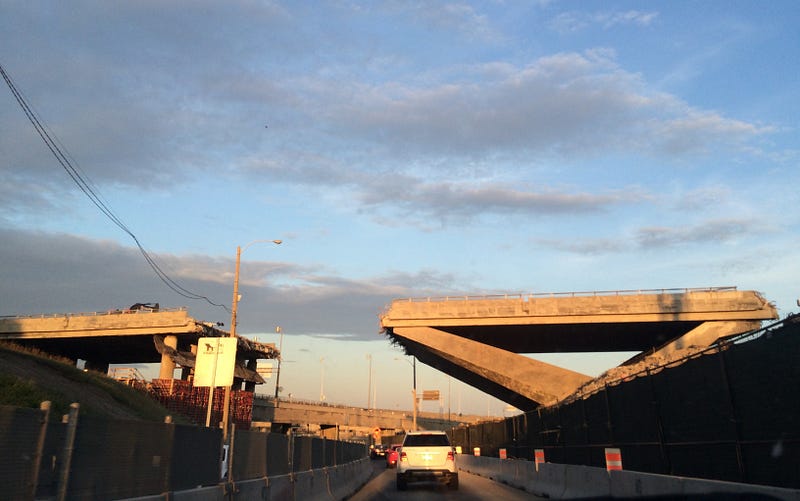
An overpass is technically a bridge; road or rail traffic flows instead of water underneath. One of our major intersections was completely reconstructed a few years ago; it was fascinating to watch the deconstruction and reconstruction processes even if traffic was a complete nightmare for years.
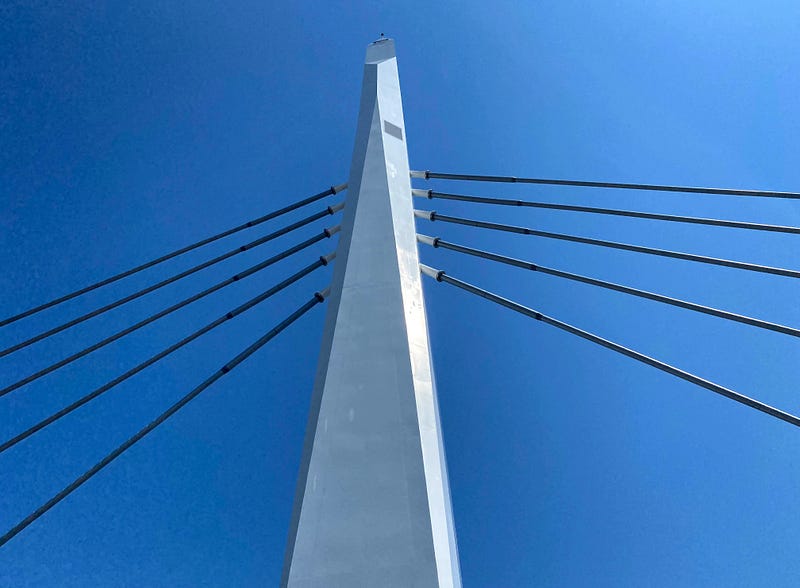
The first photo is of the overpass in its demolition phase; the second photo is taken from the new overpass looking up. Its design matches that of the new Champlain Bridge further down the highway.
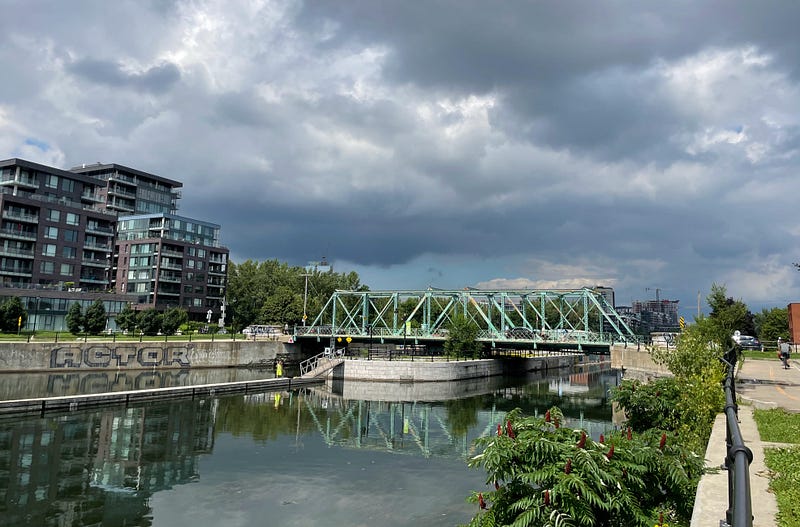
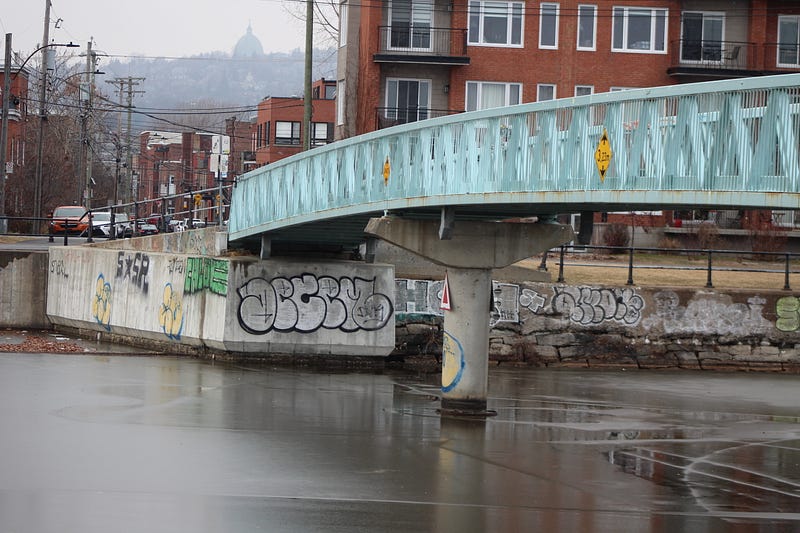
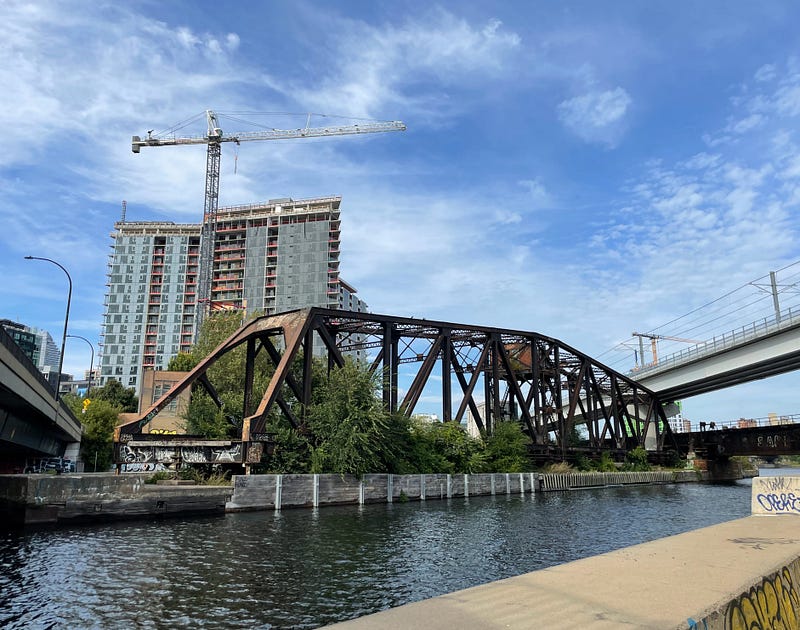
Montréal is littered with ancient metal truss bridges, especially over the Lachine Canal which was the only thoroughfare for trade until the Saint Lawrence Seaway became navigable.
In my proximity there are at least a dozen of these bridges; some of them were swing bridges — meaning a part of it would move to allow water traffic through — while others are solely for pedestrians or rail traffic.
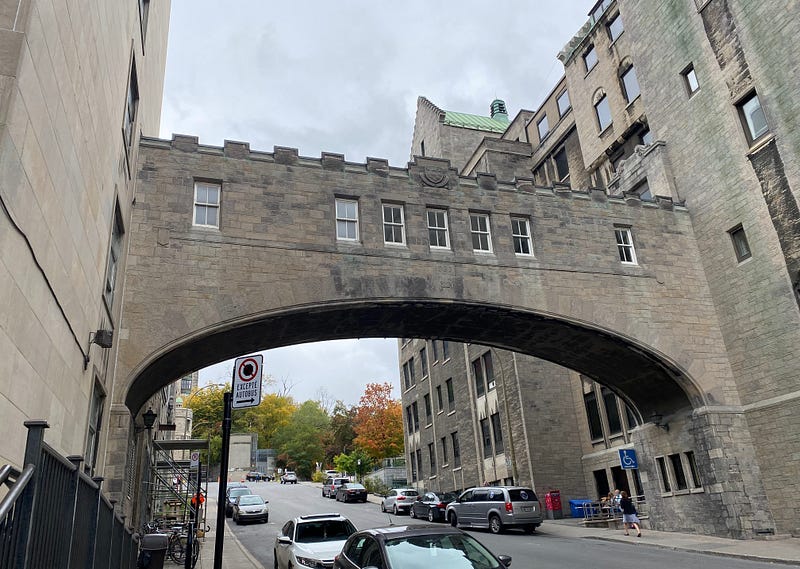
There are also some historical buildings with internal pedestrian bridges. This one is between the old Royal Victoria Hospital built in 1893 and the Neurological Institute — which is still in operation. The Royal Vic moved to a new site in 2015 that is now known as ‘The Glenn.’
New Zealand
I’ve heard about it. I’ve watched it. But, I’ll never do it!
A bungy (also spelled bungee) jump is NOT my thing.
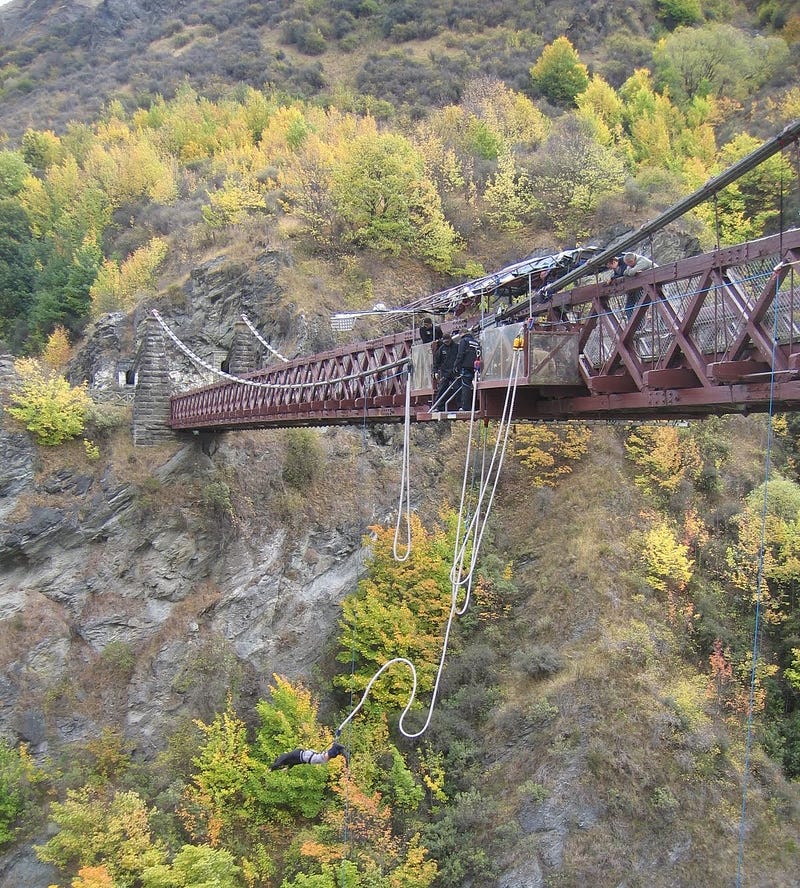
This beautiful historic bridge built for the gold miners way back in time is still in supreme condition thanks to an extreme sport that has taken up residency on its deck.
A.J Hackett’s Kawarau River bungy.
Those beautifully stacked stones in the distance support the wooden structure and the 43-metre drop from the bridge to the mighty Kawarau River.
AJ Hackett has welcomed thousands of tourists over its 35 years — and has a spotless safety record.
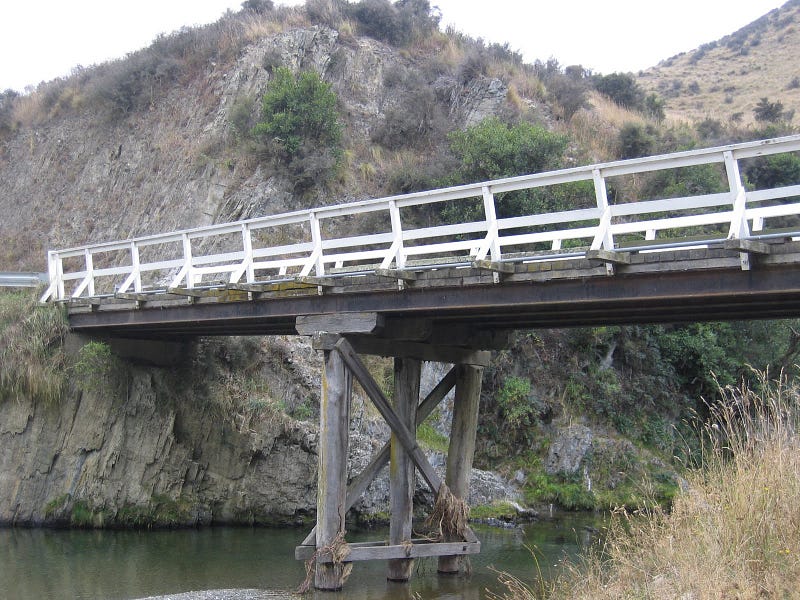
I’m not entirely sure of the exact location of this next bridge but it is somewhere in Central Otago and was a pit stop because one of three kids likely needed to pee! I have pics of the kids skimming stones to quantify my patchy memory.
From underneath, the structure is rather fundamental for this day and age. Those mid-stream wooden structures supporting the iron beams straddling the road from one side to the other are being replaced by more solid ones. Also, there are many a New Zealand bridge that remains one way only — and for reasons related to the terrain.
Welcome to Down Under, also fondly known as Gods’ Zone :)
Thanks to the rather lovely Globetrotter team comprised of some of my favourite Medium writers:
Adrienne Beaumont (the Australian), Anne Bonfert ( who is currently living in New Zealand); Jillian Amatt - Artistic Voyages (whose travels AND creativity inspire me); Michele Maize and of course, JoAnn Ryan who are both photographic AND travel gurus.
In the spirit of the publication, I want to give a shout-out to Victoria Hydes for her poignant story. I’m all for supporting new writers who embrace the philosophy behind Medium; the sense of community and reciprocity.
Also, check out Adrienne Beaumont’s story on Tasmanian bridges. I must get there one day as it looks so beautiful!
If you’re after more bridge stories, here is my one published in In Living Colour for the A-Z photographic challenge that you are welcome to jump on board with.