avatarAdelaide

Free AI web copilot to create summaries, insights and extended knowledge, download it at here

1585

Abstract

tions with his mother, and an exploration of his gender identity. Faced with expulsion and societal misunderstandings, Teena found solace in odd jobs and a brief stint in counseling for a misunderstood “gender identity crisis.”</p><h2 id="b4ce">The Brutal Rape and Murder of Brandon Teena</h2><figure id="b563"><img src="https://cdn-images-1.readmedium.com/v2/resize:fit:800/0*3OL4x-wOvyNAhjqQ.png"><figcaption>Hilary Swank famously portrayed Brandon Teena in the 1999 film <i>Boys Don’t Cry</i>.</figcaption></figure><p id="864e">In pursuit of a fresh start, Teena relocated to Falls City, Nebraska, where he encountered John Lotter, Marvin Thomas Nissen, and Lana Tisdel. However, the facade of anonymity shattered when Teena’s arrest led to a public revelation of his transgender status, triggering a series of horrifying events.</p><h2 id="2c55">Betrayal and Tragedy</h2><p id="8610">Lotter and Nissen, fueled by anger and prejudice, subjected Teena to a violent confrontation, culminating in a brutal rape. Despite reporting the crime to Sheriff Charles Laux, Teena faced dismissive and degrading questioning, revealing the pervasive transphobia of the time. The assailants, unpunished, later took Teena’s life on December 31, 1993, leaving behind a trail of devastation.</p><h2 id="3bc0">Legal Battles and Injustice</h2><figure id="a3ed"><img src="https://cdn-images-1.readmedium.com/v2/resize:fit:800/0*HtW6m4erb1GZlEJV.jpg"><figcaption>Brandon Teena’s grave has ignited controversy in recent years, as it bears the name he was given at birth.</figcaption></figure><p id="af1c">

Options

Nissen and Lotter faced justice, with Lotter receiving the death penalty and Nissen a life sentence. JoAnn Brandon fought for accountability, suing Richardson County and Sheriff Laux. The outcome, though a partial victory, highlighted societal prejudices, as Teena was deemed “partly responsible” for his fate.</p><h2 id="e711">Media Missteps</h2><p id="4b0a">The media, plagued by insensitivity, mischaracterized Teena’s story for years. From derogatory labels to misgendering, the press perpetuated harmful narratives. It took the 1999 release of ‘Boys Don’t Cry’ to challenge these perceptions, shedding light on the struggles of trans individuals and sparking a national conversation.</p><h2 id="42ea">The Evolving Legacy of Brandon Teena</h2><p id="daea">In the aftermath, JoAnn Brandon, grappling with grief, initially resisted accepting Teena’s transgender identity. The Oscar-winning portrayal of Teena by Hilary Swank marked a turning point, provoking both controversy and a broader understanding of transgender issues. JoAnn, over time, softened her stance, recognizing the film’s role in providing a platform for trans activists.</p><h2 id="84f9">Conclusion</h2><p id="be5a">Brandon Teena’s life and death transcended the confines of a tragic narrative. Beyond ‘Boys Don’t Cry,’ his legacy endures as a symbol of resilience against adversity and a catalyst for change in LGBTQ rights. As we reflect on his story, we must confront the ongoing challenges faced by the transgender community, ensuring that no one else suffers the same fate as Brandon Teena.</p></article></body>

Brandon Teena: A Genuine Tale of Life, Struggle, and Tragedy — The Trans Man Who Inspired ‘Boys Don’t Cry
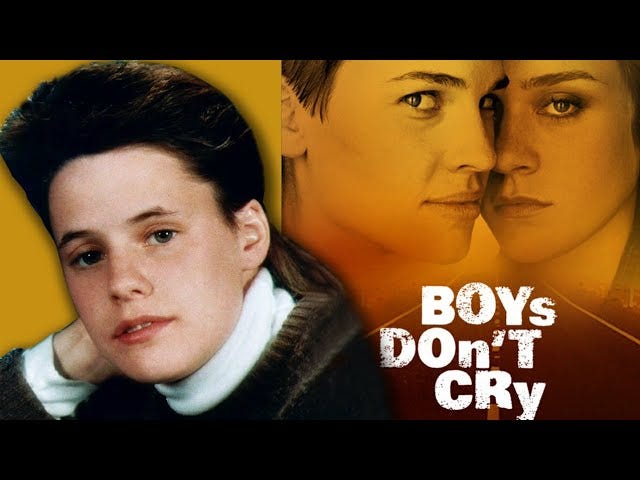
Credit: Youtube

In the quiet town of Humboldt, Nebraska, a tragedy unfolded that would echo through history — the life and death of Brandon Teena. The tale of this courageous trans man, overshadowed by the infamous 1999 film ‘Boys Don’t Cry,’ goes far beyond the cinematic portrayal. We delve into the depths of Brandon Teena’s existence, exploring the profound impact he left on LGBTQ history and the tragic events leading to his untimely demise.

A Tomboy’s Journey
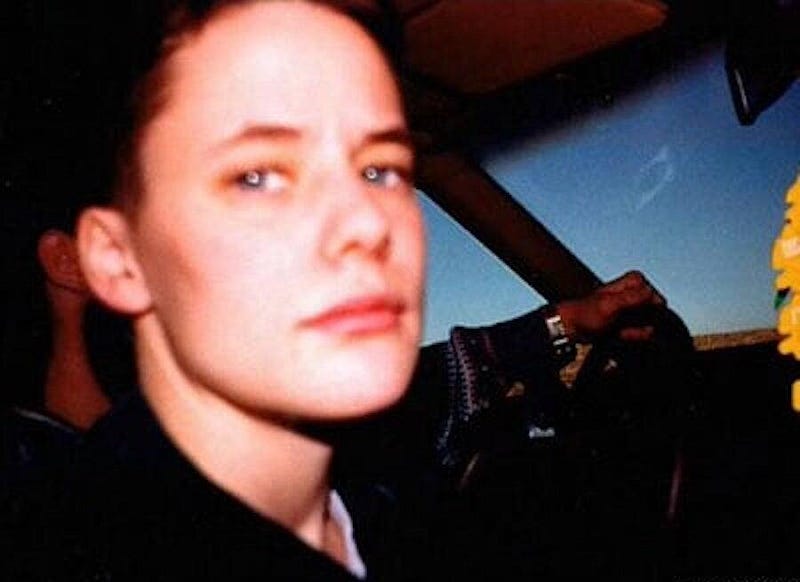
From a young age, Brandon Teena enjoyed wearing masculine clothing and pursuing relationships with girls.

Brandon Teena, born Teena Renae Brandon on December 12, 1972, navigated a challenging upbringing in Lincoln, Nebraska. Raised by a single mother, JoAnn Brandon, he faced adversity early, enduring the loss of his father and sexual abuse by a male relative. From a young age, Teena exhibited a preference for masculine clothing and relationships with girls, evolving into a local “tomboy.”

Struggles and Identity

Teena’s life took a tumultuous turn in high school, marked by rebellious behavior, strained relations with his mother, and an exploration of his gender identity. Faced with expulsion and societal misunderstandings, Teena found solace in odd jobs and a brief stint in counseling for a misunderstood “gender identity crisis.”

The Brutal Rape and Murder of Brandon Teena
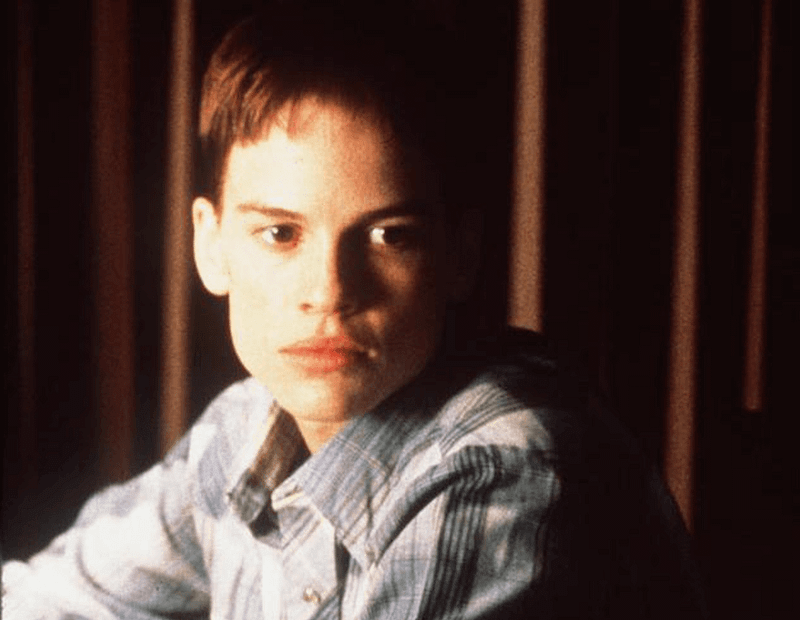
Hilary Swank famously portrayed Brandon Teena in the 1999 film Boys Don’t Cry.

In pursuit of a fresh start, Teena relocated to Falls City, Nebraska, where he encountered John Lotter, Marvin Thomas Nissen, and Lana Tisdel. However, the facade of anonymity shattered when Teena’s arrest led to a public revelation of his transgender status, triggering a series of horrifying events.

Betrayal and Tragedy

Lotter and Nissen, fueled by anger and prejudice, subjected Teena to a violent confrontation, culminating in a brutal rape. Despite reporting the crime to Sheriff Charles Laux, Teena faced dismissive and degrading questioning, revealing the pervasive transphobia of the time. The assailants, unpunished, later took Teena’s life on December 31, 1993, leaving behind a trail of devastation.

Legal Battles and Injustice
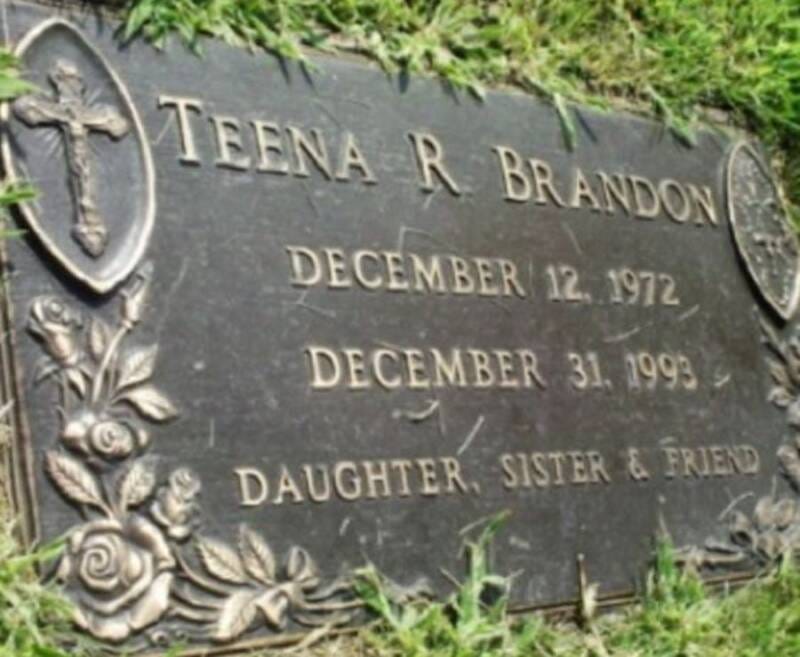
Brandon Teena’s grave has ignited controversy in recent years, as it bears the name he was given at birth.

Nissen and Lotter faced justice, with Lotter receiving the death penalty and Nissen a life sentence. JoAnn Brandon fought for accountability, suing Richardson County and Sheriff Laux. The outcome, though a partial victory, highlighted societal prejudices, as Teena was deemed “partly responsible” for his fate.

Media Missteps

The media, plagued by insensitivity, mischaracterized Teena’s story for years. From derogatory labels to misgendering, the press perpetuated harmful narratives. It took the 1999 release of ‘Boys Don’t Cry’ to challenge these perceptions, shedding light on the struggles of trans individuals and sparking a national conversation.

The Evolving Legacy of Brandon Teena

In the aftermath, JoAnn Brandon, grappling with grief, initially resisted accepting Teena’s transgender identity. The Oscar-winning portrayal of Teena by Hilary Swank marked a turning point, provoking both controversy and a broader understanding of transgender issues. JoAnn, over time, softened her stance, recognizing the film’s role in providing a platform for trans activists.

Conclusion

Brandon Teena’s life and death transcended the confines of a tragic narrative. Beyond ‘Boys Don’t Cry,’ his legacy endures as a symbol of resilience against adversity and a catalyst for change in LGBTQ rights. As we reflect on his story, we must confront the ongoing challenges faced by the transgender community, ensuring that no one else suffers the same fate as Brandon Teena.

Transgender
True Crime
Cold Case
Injustice
True Story
Recommended from ReadMedium