
Boxes Full of Silicon Dreams
Something about how much old tech I could hold in my hands made the dreams persist much more strongly.
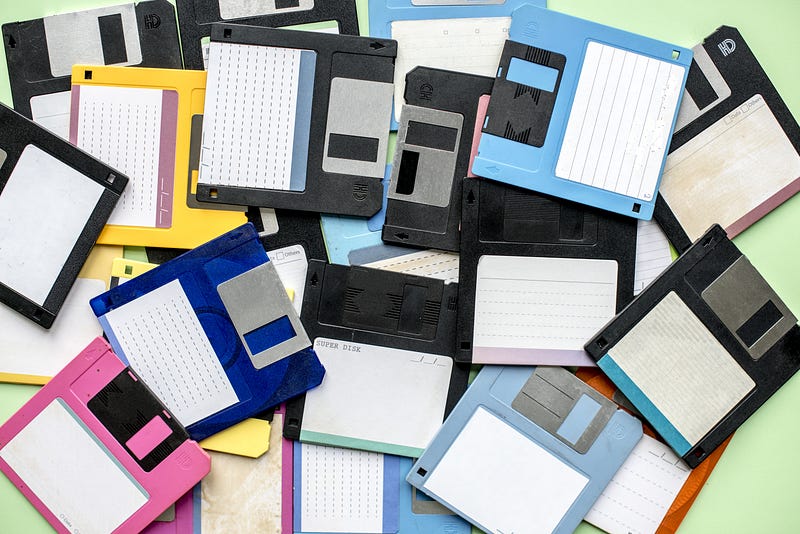
The elder end of Millennials born in the Reagan years grew up in a world that teetered on this technological and social precipice. It was a world that was between the old order of things which had its claws firmly stabbed into the bygone Great Society, and where we are today.
It was an age where we watched technology evolve. Depending on where you lived, there was a strong chance that your parents and teachers thought you were gifted for knowing how to use computers. Computer games were this newfangled field that was pioneered by a handful of studios and a few dabblers in programs like HyperCard that were called “shareware”, decades before the term “indie developer” entered our lexicon let alone saw regular usage.
As I wile away yet another day in the pandemic era, the uncertain future makes me think back to the past even if I don’t necessarily want to hop into the Delorean. And I’ve been bitten by the nostalgia bug, even if I spent the past several months undoing years of living in the past against my will and constantly mourning what was.
What made the ongoing evolution of technology so unique to older Millennials was that we didn’t just watch it evolve, we also watched the pace pick up as we aged. I started college in 2003, and was amazed that I didn’t need 3.5” floppy disks when it was only two years prior that I was still using them in high school.
Sure, today’s machines got more horsepower. Zoomers are blasé to all this, but for those of us closer to 40 than 20, we went from specially-curated mixtapes for Walkmans to the CD-Man and having our minds blown by CD burning to these newfangled things called iPods, which have now been superseded by just putting a few playlists on our phones because there’s more music files than the totality of mankind could possibly listen to after infinite run-throughs in this multiverse. Read: YOU FUCKING KIDS DON’T APPRECIATE IT LIKE WE DO. You have not known the agony of forgetting to tape a series finale and then having no idea when or if it’d be re-run, and if we watched movies on our computers, they were grainy RealPlayer clips that looked and sounded like you were viewing them through a fourth grade science fair project telescope fashioned out of an oatmeal canister.
This modern convenience is much appreciated. Yet there was something about this tangible media that makes those memories so much more salient as decades keep fading into the ether.
Those SyQuest cartridge cases full of games, photos from early digital cameras (the kind where you put a floppy disk inside it), and shoeboxes full of floppy disks were this lead-up to an incredible multimedia experience. Starting up a computer was a process, and plug-and-play Macs were this harrowing innovation when it once took a serious dork with time on their hands to boot up DOS. My massive Acronis server for storing game dev and business assets gives me peace of mind and more storage than I thought fathomable when I first had inklings of making shareware if I couldn’t run off to California and get a job at Sierra or LucasFilm.
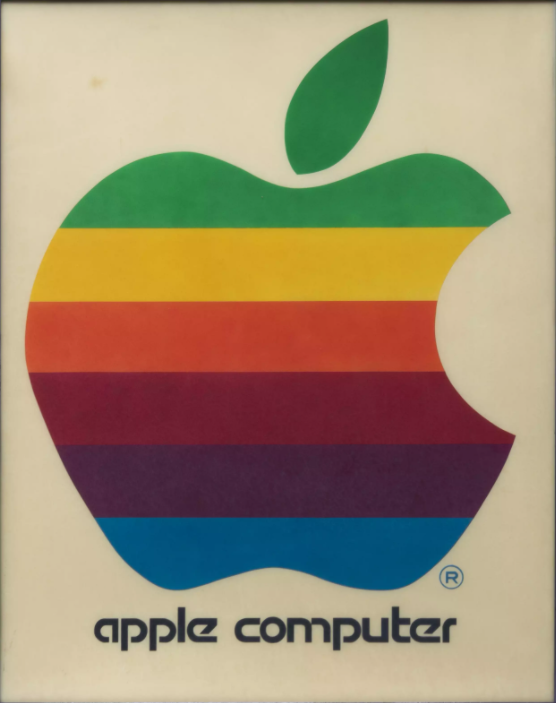
Sure, my computer had that iconic rainbow apple logo that was embossed into the side of the drive near the power button. But the programs within had all kinds of developers’ and individual programmers’ names on them. California and Washington were and still are the industry hotbeds, long before I’d hear the term “Silicon Alley” to describe my hometown and seeing a massive tech surge in Austin. Nonetheless, I was enamored with the small tech logos that graced those About This Program screens rather than the giants. I wondered if I’d have my own someday. (Spoiler Alert: I did, kind of.)
I’d peer into that shoebox and envision the future that could be possible. Not just for my personal life, which entailed ditching my abusive household, flipping off the trauma factory that was school, and either going home or perhaps off to live the Silicon Valley dream when the very silicon in the shoebox’s contents was still produced due south of the Bay Area. The games I played didn’t just put dreams in me and provide a means to disassociate from the ceaseless trauma that was not validated until decades later; they were an art form and evolving medium that still touches millions of hearts to this day.
The shoebox full of magnetic media made me wonder what I could fit in a White Castle sack full of floppy disks, or perhaps a CD-ROM or two. What kind of contributions to the arts, sciences, and betterment of society awaited? If I got to dedicate my life to these boxes and silicon vessels that were becoming smaller and more fragile yet bursting with capacity over time, would it be forgotten on a table at Value Village or get a glowing write-up in MacWorld? Would people stay reticent of these machines’ capabilities, or be open to what tech could do for us? How it could liberate and empower us?
Well….we got a Pandora’s Box.
The great equalizer was hidden beneath horrors like the constant monetization of one’s personal data, racist facial recognition software, and the commodification of courtship and companionship and insisting that hell on earth is how you must find love today. (No.)
“Shareware” is no longer uttered, “indie developer” was ushered in and no longer treated as this rare occurrence. The barriers to game-making are completely gone, although some of the gatekeeping remains. But those who knock the tools people use are short-sighted, and I’m not just saying that as someone who spent years splitting out dialog and event trees in Google Sheets and Excel. There was panic about the incoming “indiepocalypse” and game distribution troubles remain while general tech continues to grow, sometimes used for our betterment but then we get things like this.
While I traded my SyQuest drives and dusty SCSI cables for CD-ROMs, then CD-ROMs for thumb drives, then thumb drives for the cloud, I missed the whole era where computers were the size of entire rooms just to foment the same capacity as one of those floppies. An era where women led the charge in computing and thus it wasn’t seen as a “real” field full of potential, before there were eighteen million women in tech summits where the chief topic is how much it sucks to be a woman in tech. With the pioneering game studios I adored also being led by women, this was another hole punched into the magnet-fueled dream like an old FORTRAN card.
We’re overwhelmed. What was once an experience to prepare for and direct your focus then became opening twenty different browser tabs, then accessing them in bed with your phone. As those shoeboxes full of floppy disks evolved to computers that don’t even have CD drives, more was forced into our lives and those evolutions were forced into service to make us squeeze every drop out of 24 hours that we could not before.
It doesn’t have to be like this. Proposals like the “data dividend” are a step in the right direction, and the digital overcrowding of our minds amid the COVID-19 crisis (where us game devs who’ve been working at home far longer than you are begging you to realize that working at home is great, it’s the pandemic and failure of every level of government that sucks) is indicative that humans weren’t meant to spend our lives this way.
Eras end. Bands break up. One day you’re a teenager who can’t wait to graduate and get the hell out, just to find that the ladder has mostly been kicked out from under you, suddenly you realize that a significant amount of your childbearing years are gone even though you don’t want kids.
Yet the squeeze grows harder, instead of society letting go of this postwar relic that is the traditional work week. Contributions were indeed made to the arts and sciences, but at the tradeoff of working ourselves to death.
I’m still holding onto the small tech dream, there was something about literally touching it at one point that always stuck with me. Trading those hulking SyQuests for the cloud should’ve broken the chains instead of creating more of them.


