
Bowing to Bullies: How Extremist Threats Weaken Parliament
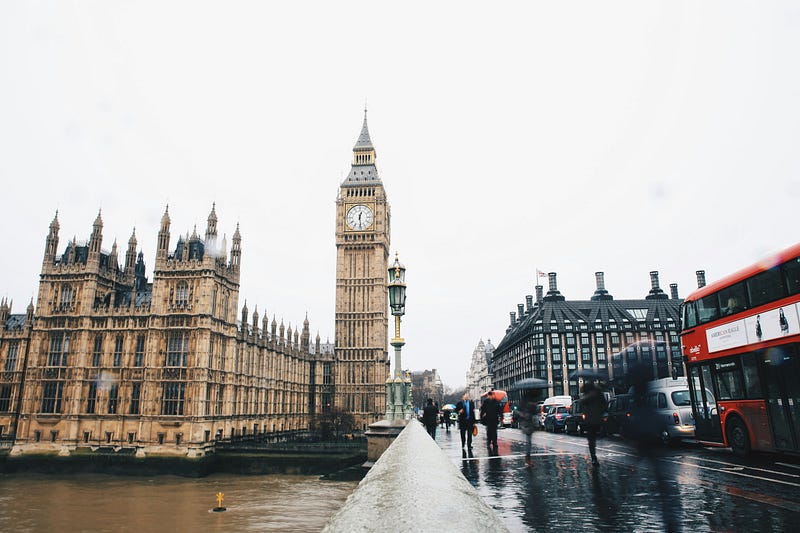
This week’s chaotic scenes in Parliament revealed a disturbing new precedent — letting intimidation tactics dictate procedure. The SNP’s cynical Gaza ceasefire motion was purely political theater. But Speaker Lindsay Hoyle’s controversial decision to spare Labour from voting was more ominous. By bending rules due to extremist threats, Hoyle let violent bullies shape democracy’s rules.
There’s no doubt these threats are real. The murder of David Amess has left Parliament permanently scarred, with many MPs now fearing for their safety. appalling abuse and threats have become routine, especially around heated issues like Israel-Palestine. No one can blame MPs like Mike Freer for leaving amidst intimidation.
But letting procedurally dubious decisions stand normalizes extremists’ demands. It shows violence and vitriol can erode democratic norms. However well-intentioned, Hoyle’s move may have fueled further bullying by demonstrating its effectiveness. Parliament cannot function if intimidated by fringe zealots.
Hoyle faced an impossible choice between security and procedure. But the solution must be confronting bullies, not indulging them. MPs’ safety matters, but so does the integrity of Parliament. Bowing to undemocratic demands today invites worse erosion tomorrow. With extremism resurgent, defenders of democracy must find the courage to say no to intimidation — and yes to the messy, frustrating work of pluralism.