Boost Your Immune System by Preventing Inflammation
A prime trigger of inflammation is the food we eat. Sugar tops the list for several reasons.
Boosting immunity is a hot topic right now.
Everyone has a plan. You’ve heard the rules. Foods rich in antioxidants will power up your immune system: leafy greens, broccoli, citrus fruits, garlic, ginger, green tea, turmeric.
And don’t forget the ubiquitous 4: wash your hands, avoid crowds, avoid sick people, don’t touch your face.
Anything Else Can You Do?
Most disease — and all chronic disease — begins with inflammation. If you could control inflammation and guard your family’s health, you’d want to, right?
Inflammation is vital as part of the healing process, of course, but in excess it’s bad.
So much can be said about health and inflammation, but we’ll touch on one main point.
A prime trigger of inflammation is the food we eat. Sugar tops the list for several reasons.
• Sugar triggers pro-inflammatory cytokines and reduces anti-inflammatory cytokines.
• Sugar triggers AGEs (advanced glycation end products). AGEs stimulate inflammation and are linked with many diseases.
• Sugar suppresses white blood cell activity. White blood cell activity is a natural part of healing. When the process is suppressed, the immune system can’t function optimally. Inflammation can result.
- Sugar promotes inflammatory hormones called prostaglandins.
Prostaglandins are produced in body cells. They move from cell to cell and regulate cellular activities. Some are good, some bad.
Bad Prostaglandins = Bad News for Health
Here’s where diet and insulin play a role. High insulin secretion — triggered by sugar, for example — will produce Series 2 hormones.
Series 2 prostaglandins promote pain, inflammation and disease.
Other foods that trigger high insulin include processed, refined carbs (like white bread) and alcohol.
Reduce Insulin to Promote Good (Anti-inflammatory) Hormones
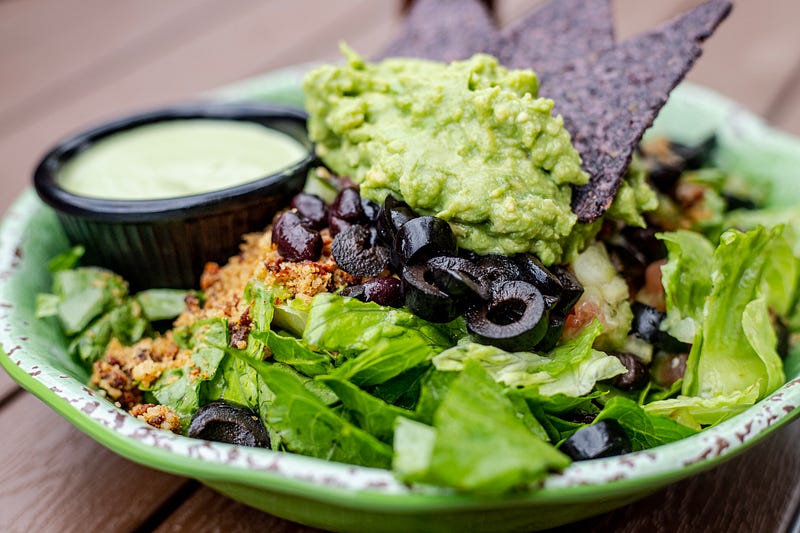
1. Eat dark green leafy vegetables, fish, black currant seed, flaxseed, hemp seed, pumpkin seed, and walnuts.
2. Avoid junky carbs, like sugar and white flour. Limit alcohol. These trigger high insulin release and inflammation.
3. Avoid all-carb meals or snacks whenever possible. Eat carbs as part of a healthful meal every time you eat — even snacks. That will help control insulin secretion and limit inflammation.
Reducing the insulin impact of your diet can help reduce production of inflammatory substances in the body. In turn, that may help you decrease your risk of disease.
What if you had a simple, repeatable system for reducing inflammation and disease in your body? What if you had an easy, effective way of controlling sugar so it no longer controls you? Perfect. That’s what I do. Just visit www.LastResortNutrition.com and grab your free Empowered Eating consult. Discover how you can guard your health now.
Brought to you by Dr. Joan Kent, best-selling author of Stronger Than Sugar: 7 Simple Steps to Defeat Sugar Addiction, Lift Your Mood, and Transform Your Health.