
Book Summary: Streaming, Sharing Stealing
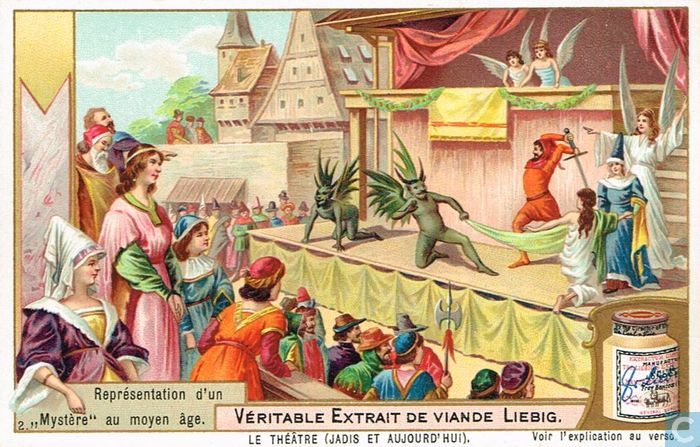
The entertainment industry has been around since the dawn of human history. In medieval times, it can exist in the form of court jesters entertaining the court with jokes or gladiators battling each other to death in a colosseum. As civilisation progresses, entertainment develops into storytelling, drama, movies and grown more sophisticated over time. The advance in technology in the last century has even enable the industry to record and sell entertainment products at a scale unlike anything before. It is an incredibly fast-changing and brutal industry, where trends can make or break a company in a blink of an eye.
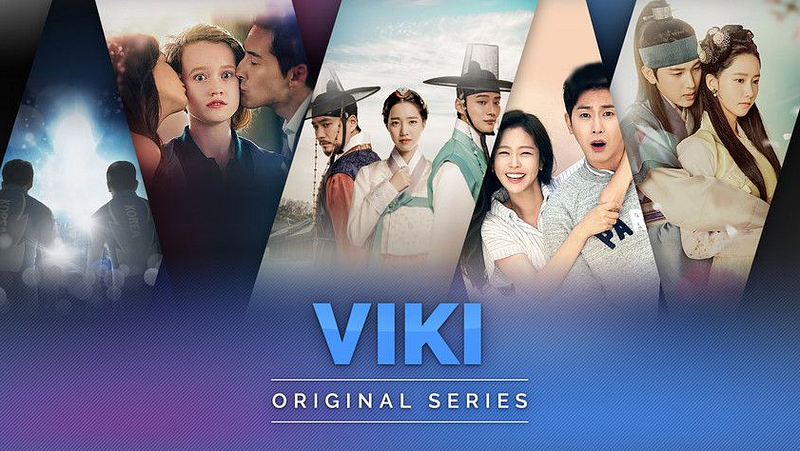
Having recently joined Rakuten Viki as a Product Manager, it became important for me to understand the industry so I can build the right product to help the business succeed. A long list of questions starts to form in my mind:
- What are the economics of entertainment industry in the last century?
- What are the revenue streams of a modern content studio?
- Why is power concentrated in a few big studios/labels?
- Why are broadcasters often content producer too?
- How do modern studios identify and manage talented actors/actresses and directors?
- How do modern studio distribute content?
- Why do movie studios release different versions of a same movie at different time and format?
- What is the impact of piracy on consumer and producer
- and many more…
All these questions led me to “Streaming, Sharing Stealing: Big Data and the Future of Entertainment”. It provides a rich narration on the history of the entertainment industry in the last century and how/why things has worked previously. Furthermore, when it attempts to answer hard question like “What is the impact of piracy on consumer and producer”, its rigorous quantitative approach ensure insights are grounded by scientific methods which gave it credibility. In this article, I will be sharing key learning from this book and end it off with a list of questions as we usher in the new decade.
Rise of the Giants
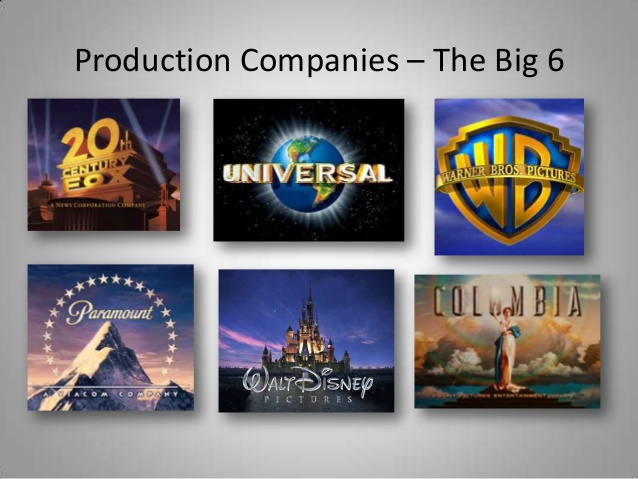
In the last century, film performer (actors, actresses etc) or creator (director, writer etc) have to sign up with a major studio that often controls both the production (recording and editing) and distribution (TV channels, CDs, DVDs) of the content. This is due to the fact that only major studios with deep pockets were able to buy equipments, pay professionals to operate and manage its own distribution channels.
Furthermore, it is extremely difficult to predict which projects will succeed in the creative industry and this makes producing content a highly risky business. Thus, only major studios were able to share overhead and pool risks across multiple projects. All these factors allow major studios to effectively control the upstream and downstream to maintain their dominance in the entertainment industry for a long time.
Then Technology happens.
It conjures the perfect storm that upsets the entire entertainment industry.
The Internet
This is arguably the single most disruptive force brought on by technology. Quoting the cliche, the Internet has indeed make the world a much smaller place. Distribution of content is global and no longer restricted to a single geographic area. Before long, traditional studios that often distribute in only one country or region find themselves competing with global video-streaming platforms on
- Consumers’ attention time; viewers can now watch a wide variety library of content anytime, anywhere
- Content creators; Artistes and directors are now able to publish their content on video-streaming platform (YouTube), bypassing traditional studios
Production and Distribution cost drops dramatically.
In the past, recording equipment that are expensive and require a team of professionals to operate used to be out of reach to aspiring artistes and directors. However, this changes when cameras and voice recording devices are added to inexpensive smartphones and other mobile devices. This drives down production cost significantly and enable content creators to now produce content independently.
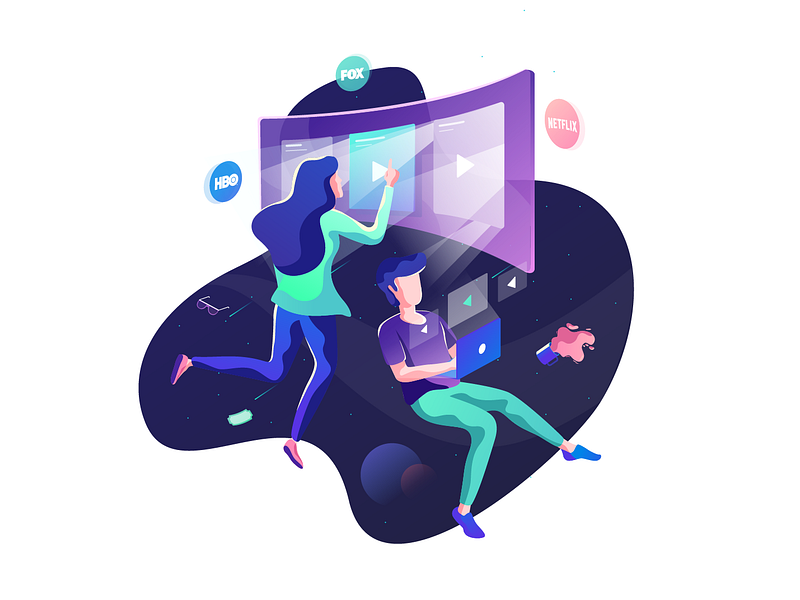
Distribution cost has also significantly reduced as mobile devices proliferated and viewers’ behaviour changed. Viewers are no longer consuming content through video tapes or DVDs that require high capital investment to produce and logistics to move products across the world. Neither are they confine to their living room TV and broadcasting channels. Viewers are now “habitualized” to consume content on the go via the internet. This mean that content creators can now choose to upload their content to video-streaming platform like YouTube where it can be viewed by global audiences. This is more than what traditional broadcasters/studios can offer.
Global Piracy
In a not so distant past, the only way for you to watch a summer blockbuster is by driving an hour to a movie theatre and paying $12 for a ticket. The alternative is to wait several months for it to be available on video tapes or blu-ray DVDs that could cost up to $40.
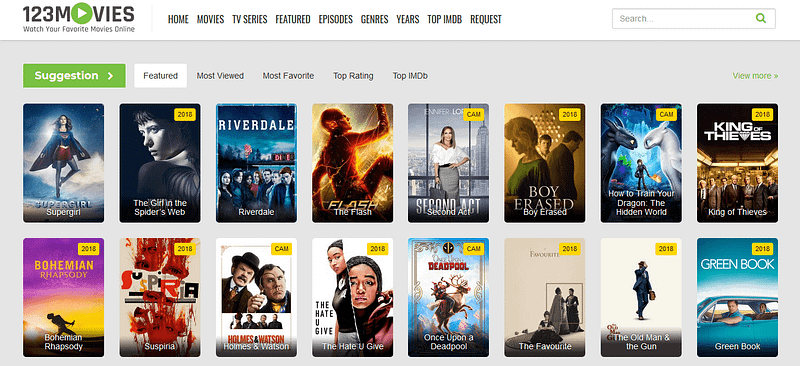
Piracy site that stream content has made it so much easier for you to consume such content from the comfort of your home with close to no cost (assuming a lack of copyright enforcement in your region). However, this does not mean that it is impossible to compete with piracy in the absence of effective enforcement. The book has provided a compelling argument that consumers are willing to switch to paid service provider as long as they create a superior watching experience in terms of higher video quality and ease of use.
All these factors raised above have eroded the power and appeal of traditional studios and broadcaster to both viewers and content creators who did not leverage on technology early. Now let’s look at an example of a content creator who benefited from the changes brought on by technology.
Epic Rap Battles of History
in its quirky format would most likely be turned away by traditional broadcaster because it doesn’t fit into the standard format of traditional entertainment. As advertising revenue is a significant source of income for traditional broadcasters, it is both risky and difficult to find a suitable time-slot for such untested content to ensure it garner enough views.
However its content creator, Shukoff were able to produce the content using smartphones cameras and applying video editing skills which he learned from watching tutorials found on YouTube. His first video garner 150,000 views in under 2 weeks and has exploded in popularity since then. Till date, his channel has over 12.2 million subscribers and total video views of 1.7 billion.
Furthermore, he was able to take advantage of the ideas provided by its fans on the YouTube comments section. It is a far scale-able and cheaper way of garnering feedback and creative ideas than focus group sessions normally offered by traditional broadcasters
Most important of all, the success would not be possible without the unique feature of YouTube being a long tail platform that help its users find their desired content from millions of other videos.
Long Tail Platform
A long tail platform specialise in helping consumer uncover content that suits their unique preferences through sophisticated data-driven processes. When you are able to deliver the right content to the right audiences at the right time, you create value for consumers in the form of good entertainment, convenience and time saved. This could drives consumers’ loyalty and further strengthen the power of your distribution channel.
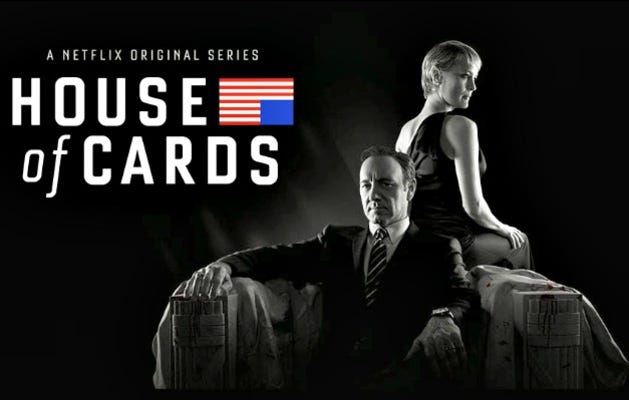
An example of such platform is Netflix who took a step further to produce its first ever “original”, House of Cards. Netflix was able to mine valuable insights from its’ consumer data to discover a segment of viewers who likes Kevin Spacey (actor), David Fincher (director), and the political drama genre. They were so confident with their analysis that they are able to do away with the industry standard practice of doing a “pilot” to test the water. This data-driven approach trumps the gut instincts and experience of industry veterans. Lastly, with in-depth knowledge into customers’ preferences and a powerful recommendation system powered by machine learning, they are able to market the right content to the right audience at the right time.
Furthermore, content creators on Netflix are now able to enjoy greater creative freedom as Netflix business models are fundamentally different from traditional broadcasters. Netflix do not rely on advertisement revenue, meaning that it does not have to worry about advertisers threatening to pull investment due to controversial content. Neither do they have to adhere to a standard show format and duration that could restrict creative freedom.
However, it remains a question if Netflix is able to sustain itself without advertisement revenue as it continue to pour billions in dollar to expand its libraries of content to maintain its leadership position amidst competitions with a different business model. For example, Hulu and Viki business model of having a dual-income stream of subscription and advertisement revenue enable the business to stream certain form of content such as older titles or variety shows that are often tied up with advertisers. Remember Wheel of Fortune? This allow the companies to capture value through differentiated pricing strategy from consumers who consume less content and thus, less inclined to pay for subscription bundle. Moreover, where are all the advertisement revenue going to go when viewership continues to decline for traditional broadcasters?
In summary, the book provided insights on how tech companies like Netflix and YouTube were able to disrupt the entertainment industry and eroded the power of traditional studios/broadcasters even in the face of rampant global piracy. Currently, the global video streaming market is valued at USD 36 billion in 2018 and it is anticipated to reach USD 124 Billion by 2025. As the decade come to a close, it is important to consider the following questions to identify opportunities in the new decade:
- How can video-streaming platforms value-add to content creators/studios beyond monetary terms to help them create great content?
- How can video-streaming platforms differentiate themselves amidst fierce competitions?
- What is the right mix of revenue stream distribution between subscription, syndication and advertisement revenue for video-streaming platform?
- How do video-streaming platform manages its relationship with content providers, advertisers and viewers?
- What are the major pitfalls and considerations faced by content studios/cable providers when starting their own video-streaming platform?
- How would viewers react to multiple video-streaming platforms that carry its own exclusive contents?
- How is 5G going to enable new innovations in the video-streaming platform?
- How is user engagement going to evolve on video-streaming platform? Think interactive advertisement, e-commerce or even interactive story telling.