
Politics | Libraries | Freedom of Speech
Book Bans: You Can Take My Library Card When I’m Dead
From my cold, dead hands!
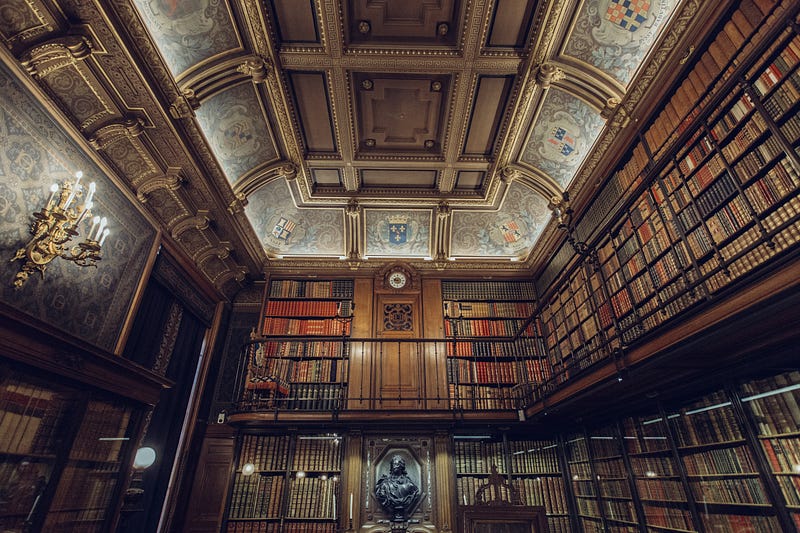
When I was a child, I practically lived in my school library.
I loved it. I would choose to spend my recess there, indoors, rather than go outside and play. Opening the pages of a book was like opening a doorway, granting me a window into another world.
I could be somebody else for a little while, someone who didn’t have to deal with the problems of real life. To a bullied kid, it was a temporary escape where I could enjoy the company of heroes. I could pretend I had a purpose beyond surviving another day.
When I didn’t have my nose buried in a novel, I was pulling non-fiction books down from the shelves. Books on natural science, on history, whatever I could find. I remember reading a very detailed textbook on the care and keeping of horses — I imagined I would be glad I’d read it, assuming I ever actually got to own a horse.
I’ve always loved books. They’ve been my friends, my beloved confidants, for as long as I can remember. I can’t imagine having them taken away from me.
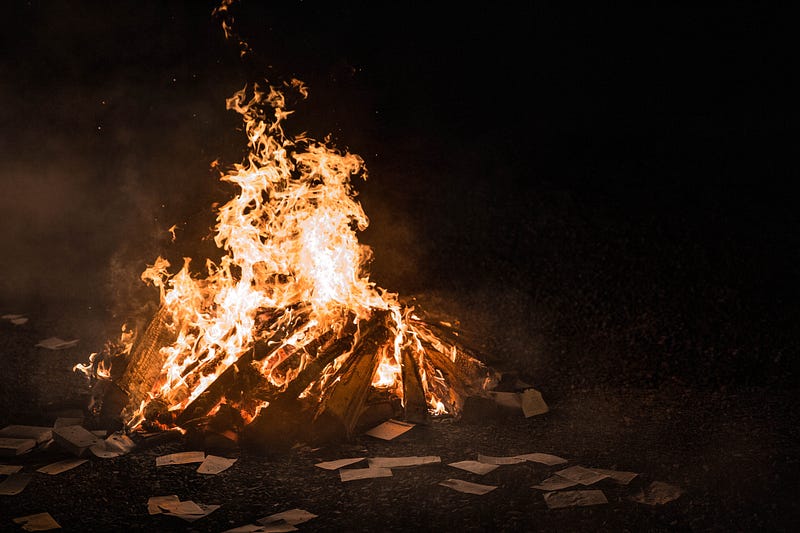
The ability to access knowledge freely and easily is an incredible gift. Throughout most of human history, it’s something that was kept out of the hands of the average person.
The ability to study and read books on one’s own terms was completely reserved for the upper class. To obtain a formal academic education was a declaration of belonging to the elite, of being born into a family that mattered. The first graduating class of Harvard was listed, not according to grade, but according to their family’s status.
Even owning a book was a sign of ridiculous wealth, and to have a private library in your home was a staggering and incomparable status symbol.
In many regions of the world today it is by no means guaranteed that a person will receive even the most basic education, especially if they happen to be born a girl.
To say that literacy is vital to our modern world is a vast understatement. The ability to write things down and share information with one another, to pass it down through generations, is an unbelievable accomplishment.
Without it, we would never have advanced so far. Not in technology, not in medicine, not in anything we take for granted now. It is entirely possible to pass down information by word of mouth, and many Indigenous cultures have rich oral traditions, but we’ve seen countless examples of colonial genocides that obliterate such threads of history.
When I think of how many of those stories have been lost because they weren’t valued, or even declared illegal, it’s a void that cannot be quantified.
So to me, libraries are a miracle. To have a repository of texts, regardless of topics, so readily accessible to an entire population without thought of their wealth or privilege… would have been unimaginable to many of our ancestors.
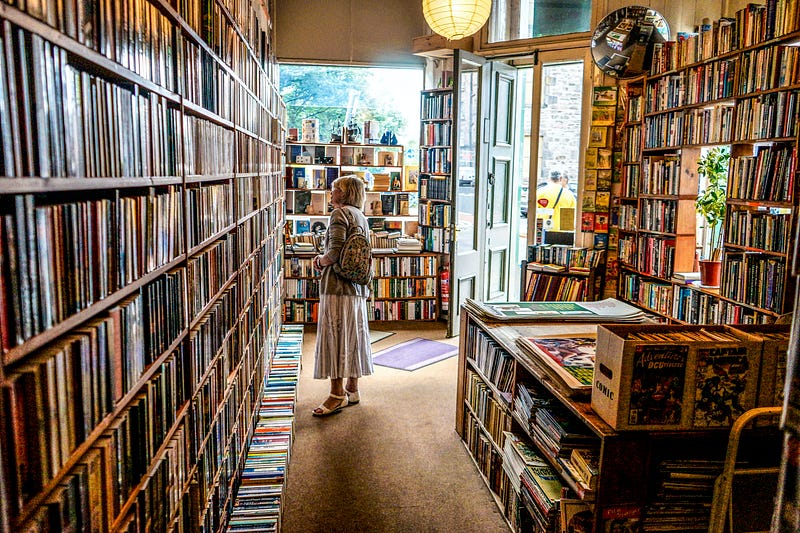
As I discussed in the opening of this essay, the presence of libraries in schools made a profound impact on my life.
And it isn’t just me saying that; access to a quality library is associated with better grades, improved literacy, and higher scores on standardized tests. It’s immensely beneficial to kids of all ages.
So why are we allowing them to come under threat? If we care about the next generation, why would we ever consent to stand aside and allow their shelves to be stripped bare?
Especially when the reasoning is so disturbing. One popular children’s book is under threat of being banned in Florida schools because, to quote the person who reported it, we need to protect children from having ‘damaged souls’.
In Iowa, over 370 books are at risk of being removed from the shelves in just one school district. The majority of them are being targeted due to a vague reference to LGBTQ+ issues. Including a child’s picture book biography of Pete Buttigieg — presumably simply because he is openly homosexual.
As an aside, as a member of the LGBTQ+ community myself I find it incredibly offensive that our mere existence is considered inappropriate for children. There is absolutely no excuse for open bigotry of this magnitude.
Unfortunately, these book bans are becoming more and more widespread.
In Massachusetts, book challenges are on the rise. Like many of the other titles across the United States, the books facing removal cover topics of sexual orientation, gender identity, and racism.
Even here in Canada, we’re seeing a rising push to follow their lead and start banning ‘explicit materials’.
Anything that implies it’s okay to be something other than white, cisgender, and heterosexual is potentially on the firing line.
Diversity is something that needs to be hidden away, lest children develop an open mind. Or worse, discover something about themselves.
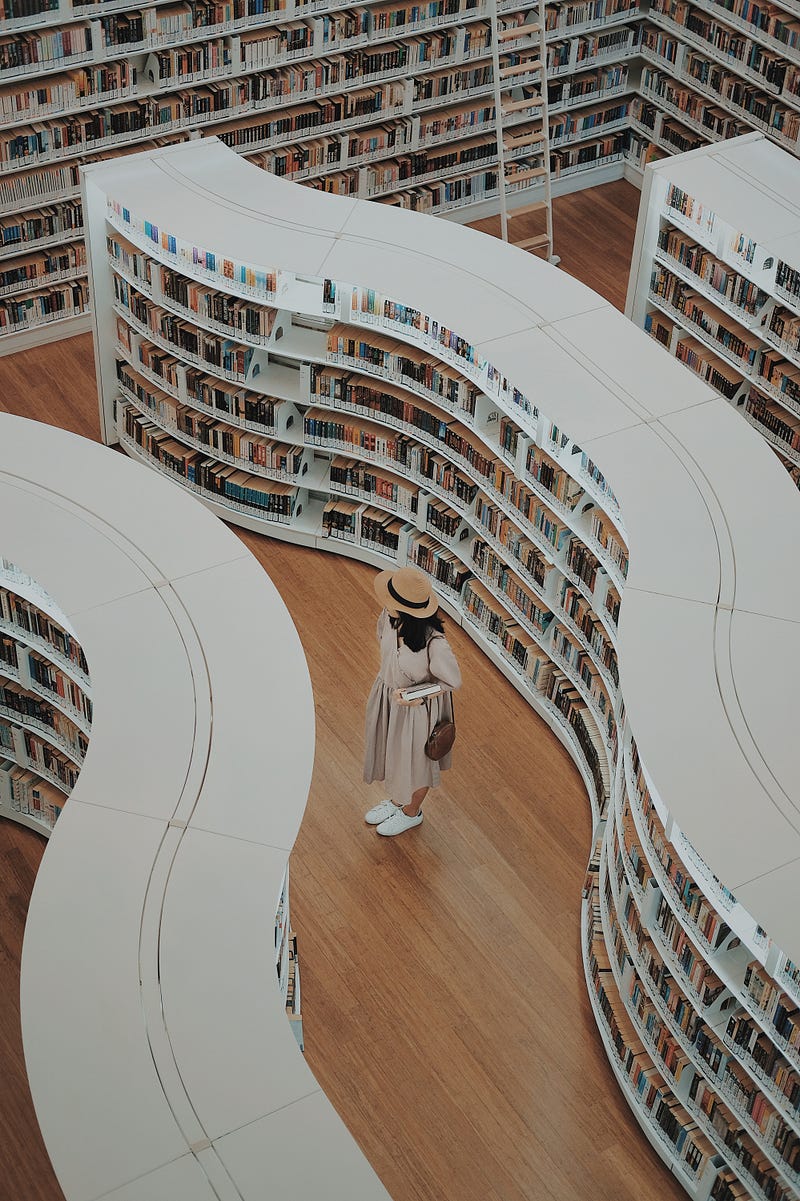
Banning books has a long history. Usually, the justification for restricting or destroying texts has to do with some issue of morality or prevention of criticism.
It’s about controlling and limiting the spread of information. Enforcing ignorance upon a resisting population.
The recent wave of culture-war-style assaults on literacy is fairly par for the course. The fact that it’s targeting inclusion, specifically of minorities both racial and LGBTQ+, is a classic example.
My comparison of the current wave of book bans to that of Nazi Germany is not intended to be hyperbolic; I want you to be thinking about where this leads.
Democracy relies upon a well-informed populace. To protect it, you need to be aware of current events and the context behind them. To have a democratic nation, that nation must value the voices of all its citizens.
If you want to be a patriot, then you must recognize that a country is made up of its people. Diversity is a fact of life, and the moment certain segments of the population fall victim to oppression, you begin to lose your freedom as well.
There’s an old poem that describes this phenomenon. I’m sure you know how it goes. First, they came for the Communists…Much like James Baldwin once said, “If they take you in the morning, they will be coming for us that night.”
Pulling books about marginalized communities out of the hands of our children is the most clear-cut example I can think of. They want those kids to be ignorant, so they won’t know any better than the bigotry they’re taught.
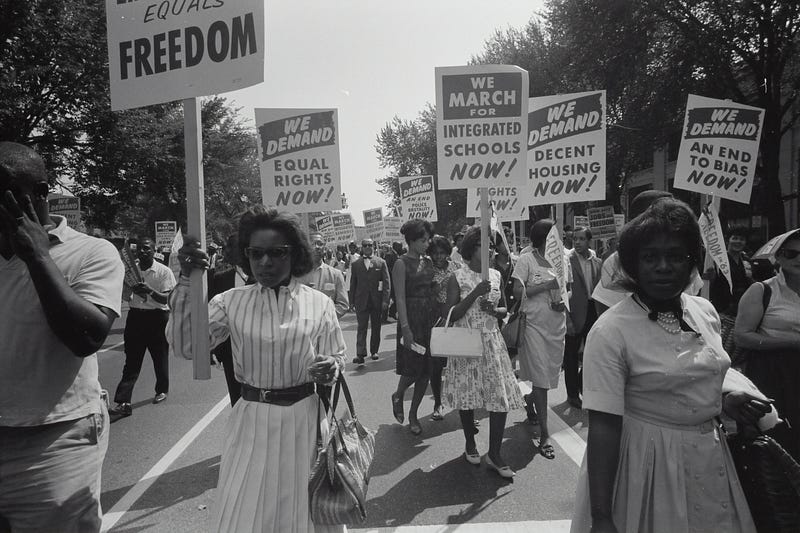
Blocking access to knowledge is how bigotry flies under the radar.
Revising history is only possible if there aren’t alternative avenues of seeking the truth. Do you think Ron DeSantis could push such despicable lies about ‘the benefits of slavery’ if he wasn’t also cutting out books and educational material about the reality of Black history in America?
If there is no readily available information, people are left with a gap of ignorance. That gap is very easily filled with effective propaganda.
To combat this, there’s only one real solution: don’t just undo the book bans, but expand access to library resources even further. Fill those shelves back up, then build new ones and stuff them to bursting.
If you’re a parent, don’t wash your hands of your kids’ education. Conversations about equality and inclusion can be difficult, I know. But it’s worth having them, if for no other reason than to teach your kids that being different is okay.
They can ban books in schools, and take them off of library shelves, but they can’t get them out of print. If you’re planning a shopping trip any time soon, do yourself a favor and add some books to your list. Seek out some new perspectives, I promise it will be worthwhile.
These book bans are nothing less than an assault upon the very foundation of democracy. I, for one, am not interested in letting them win.
The NRA likes to use the phrase ‘from my cold dead hands’ with regard to their firearms, meaning that they’d rather die than give up the freedom to own their weapons.
I think that if we can take that slogan and apply it to the books on the library shelf, we’ll be passing down a much more important legacy to the next generation.
You can take my library card from my cold, dead hands.
Solidarity wins.
I hope you enjoyed this article. If you’re new here and looking to read more great blogs and posts, consider signing up for Medium’s membership. It only costs $5 a month, and it grants you access to everything behind the paywall instead of waiting for the monthly free reads to refresh.
Reading as a member ensures that a portion of what you pay is given to the writers whose work you enjoy. Next to leaving a tip, it’s the best way to support our work. You can also visit my website, World-Weary, to read more of my writing on the subject of human rights, justice, and activism.


