
Blood in the Cave
Mental Strength, Physical Pain, and the Limitless Dimension
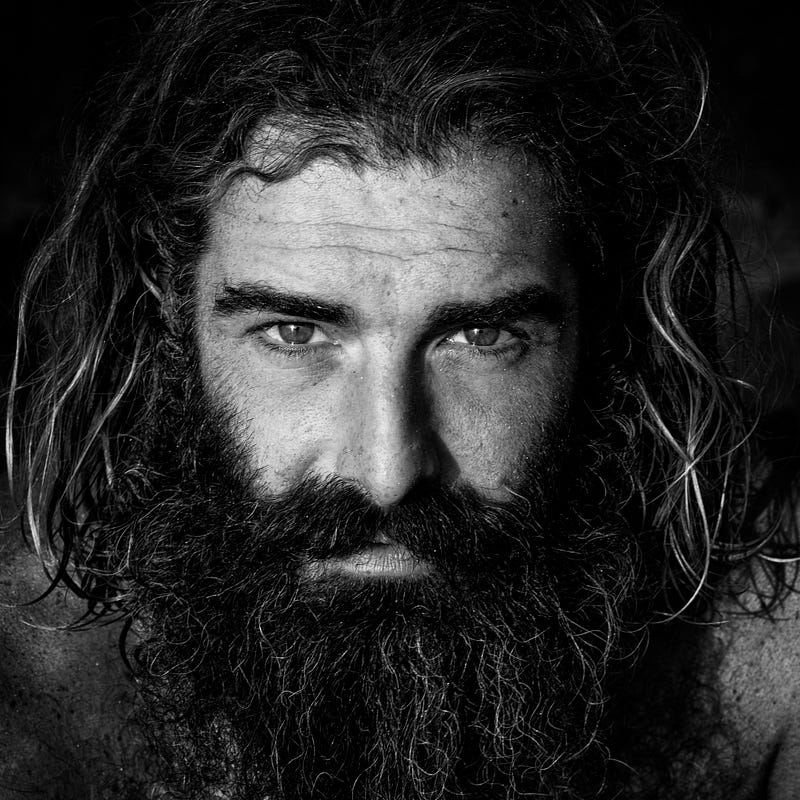
“Pain will leave once it is done teaching you.”
-Bruce Lee
The world abruptly stopped.
Runners suddenly became spectators. They gazed upon a struggling man, a race contestant, as his heaving form stumbled to the track. Amazement or disgust, he couldn’t distinguish the difference in the expression on each staring face. Slowly, he began to feel his body disintegrate.
He struggled shuffling toward a rest area away from the oval track. Blood and sweat in confluence flowed down his legs into tube socks, absorbing into dirty, rugged jogging shoes. The muscles in his feet were tearing away from the bone. Vision blurred and dizziness quickly set in.
A chair, placed to the side of the track, was enticing his pitiful disposition. The mind he connected to pain. Collapsing into the chair he contemplated the current state. The pain weakened his stomach causing him to vomit. He felt death.
His feet and legs were fractured. Kidneys were failing. The portable bathroom sat 20 feet from his chair. His body wouldn’t move. Losing bodily control, he soiled himself. With his body exuding trauma, he sat back under the Arizona sun, and suffered in shock.
The body trembled as his legs felt too weak to go further. Mile 70 was in sight. 30 miles were left. This is when the game began for David Goggins. These are the moments when he reaches into his mind. He conjured horrific events, searched his mind to find strength during the pain. In his soul, he knew he would finish the last 30 miles.
This mind shift is called The Pain Cave by ultra-marathon runners.
David calls it his “cookie jar.” Suffering through visualization is his form of metacognition. This was his race.
David Goggins had become a Navy SEAL and he later completed the Army Ranger School. He had become impossible to break. This was documented when he endured Hell Week during SEAL training on 3 separate occasions. His legs developed stress fractures during the final session.
David duct-taped his legs and feet every morning creating homeade casts over his socks. The first 45 minutes of each day were filled with anguish until his legs swelled and went numb. Suffering became a new norm and a method of understanding what his mind was capable of.
“When you look in the mirror, that's the one person that you cannot lie to.”
-David Goggins
“I saw myself as the weakest person God ever created. I challenged myself to become the toughest man god created,” said the SEAL member. Limitations are self-imposed according to David.
“When your mind tells you that you're done, that you're exhausted, that you cannot possibly go any further, you're only 40% spent.”
Medical research would tend to agree. The mind will quit before the body. When it is strenuous beyond what the mind conceives as attainable, the mind will govern the body. Its a survival mechanism that protects us from pain and suffering.
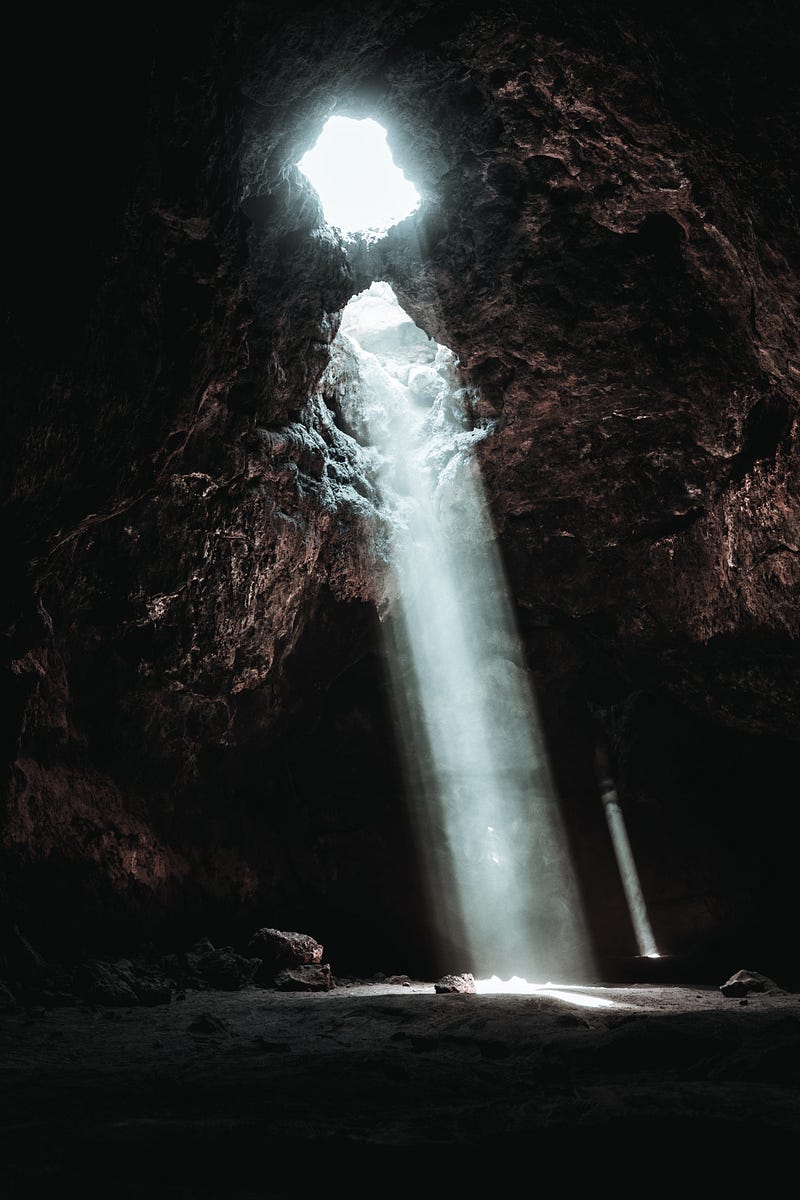
Goggins uses visualization for his training. “I’ve already suffered a million times in my mind and I’ve accepted that.” The mind has a unique advantage in its recognition of our innate fears and insecurities. High-performance athletes mentally have to regain control over their minds by doing things that are uncomfortable. “You have to suffer in order to grow”, says Goggins.
The pain cave is a metaphor to most. For the warriors, it’s a place to keep pain occupied within the mind. This manifests with the mental anguish an athlete is feeling as they get to a moment that seems beyond the normal challenge.
“The places where human nature reveals itself most clearly is in times of suffering and inhumanity.” -Jocko Willink
Courtney Dauwalter is the world’s best women’s Ultramarathon runner. She is the Two-time ultra-runner of the year. Courtney is prolific in running distances of over 200 miles, crushing records, and has notoriously created her own pain cave as she has spoken about previously on the Rich Roll podcast.
“I enjoy going to that place that we get to…that hurts really bad.” In her mental shift she imagines working inside a cave and using tools to etch the stone. This is a mental exercise she has perfected to switch her mindset into a hyperdrive with mechanistic production.
She details the three-dimensional image in her mind, synchronizing the visualization with her endurance through the pain. “It’s the place I now want to get to and the place I get to celebrate when I get there.”
“I change the storyline when I get to the pain cave. I imagine the cave bigger”, Courtney says. Mind versus body with both mental prowess and mental grit drive her well past race records and crushing the dreams of her male competitors. “Mentally you can move your feet farther than you think.”

There are several methods that humans have used to lessen the effects of physical pain. A strong mental state, mindfulness, meditation, and deep breathing all have been proven to assist with controlling our pain reaction.
This might explain how David Goggins could finish his last 30 miles of the 100-mile race in poor condition. Also, it may explain how Courtney Dauwaulter can dominate a 240-mile race in 2 days and 9 hours. For context, second place finished 10 hours later.
Claiming talent plus genetics and disregarding grit, determination, and hard work, however, is a common mistake. Outstanding achievement isn’t just derived from talent or genetics as many may rationalize.
It is passion and persistence that the famous author Angela Duckworth calls Grit. It is the compound interest of habits that increase self-improvement as expert James Clear states in Atomic Habits. Lastly, it is pain that clarifies and unlocks life’s purpose as poetically written by Earnest Hemingway. “The world breaks everyone and afterward many are strong in the broken places.”
Thank you for reading. Please clap and leave a comment for me. If you enjoyed this material and would like to support me as a writer, please share this article. Subscribe using my referred membership page here → Shawn’s membership Page
It is only $5 and portion of the fees are passed on to support me as a writer.


