
Blood
Sated Earth
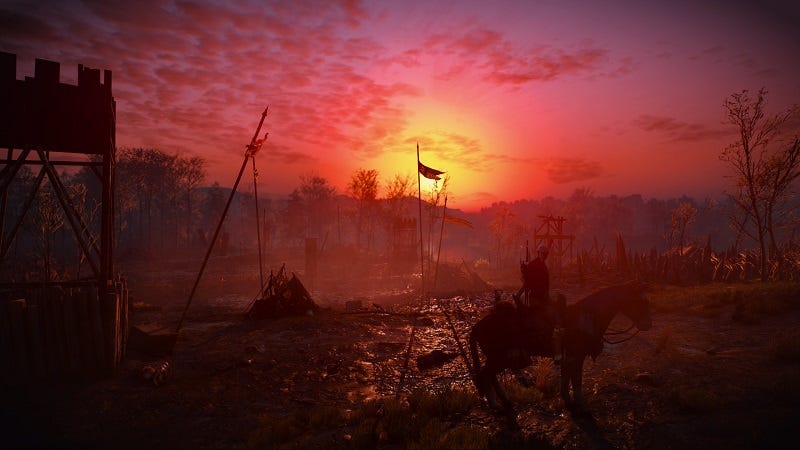
Sated Earth you’ve had your fill of lives and lives and lives — insatiable
So calm and sweet and innocent from a distance, bluish and speckled white with adorning clouds, spinning at her comfortable thousand miles an hour and chasing around the sun at her a little more hectic thousand miles a minute.
Sometimes, though, I see her as a hungry ghost, as an ever-starving demon with an unquenchable appetite, one that, for all intents and purposes, has no bottom for she lives on lives.
She applauds slaughter.
Once God had created the Earth and all its creatures a few of them asked to see him. He, being God and curious about what His creatures might want, granted the audience.
So, the lion and the goat and the frog and the snake and the bird and the earthworm and the human and the cow carefully made it across the marbled floor spreading out before God as he sat on his throne of gold.
“So, creatures of mine, what do you want?” He said.
The lion, the leader of the pack (not the human, mind you, who still could not believe his eyes taking in the beautiful tapestries, ornaments, the gold candelabras, not to mention the beautiful servants dashing about doing God’s will) said, “We were just wondering, God, what do we eat?”
God laughed, then answered: “Each other.”
At which point the lion killed and ate the goat, the snake ate the frog, the bird consumed the earthworm while the human missed the boat, still looking around at the wonders, the glamor of Heaven.
God laughed at the spectacle, and especially at the feeble attempts of the goat and the frog and the earthworm to stay alive. Well, perhaps not so much laughed as giggled. Amused, He was, God.
And that was just (in the beginning) the beginning.
Since then there has never been a day when massive slaughter in some part or other of this earth has not been underway, God giggling.
Millions upon millions of men have killed each other in the name of religion, God giggling.
Viral diseases have, over the centuries, killed millions and millions, God giggling.
The sharper teeth and quicker legs feast on the duller teethed and not so quick, God giggling.
Suicides are flirting with a million, annually. If you don’t believe me, ask Mister Google.
Man has over-fished the oceans to a point where fish might actually die out altogether one day, God giggling.
Man has over-cut trees to a point where forests might soon only be a curious chapter in history books, God giggling.
Thousands upon thousands of albatrosses die each year, caught and drowned by the long-line fishing industry, God giggling.
How many mosquitoes freeze to death in Sweden every fall, one wonders, God giggling.
Oh, says the theistically oriented, you’re making all this up. God, the ever-kind does not like killing and death.
Au contraire, I say. If God is as benevolent, and as intelligent, as you hold him to be, He could easily, easily I say, easily have devised a food schema that did not involve eating “each other” — easily, I say.
But, and here’s the rub, He didn’t.
And He keeps giggling.
© Wolfstuff


