
Blockchain Technology
The Backbone of Cryptocurrencies

In the ever-evolving landscape of digital finance, blockchain technology has emerged as the transformative force underpinning the rise of cryptocurrencies. Originally conceived as the foundation for Bitcoin, blockchain has transcended its humble beginnings to become a revolutionary technology with far-reaching implications across industries. Let's delve into the intricacies of blockchain, exploring its role as the bedrock of cryptocurrencies and its broader impact on the global financial ecosystem.
Understanding Blockchain Technology
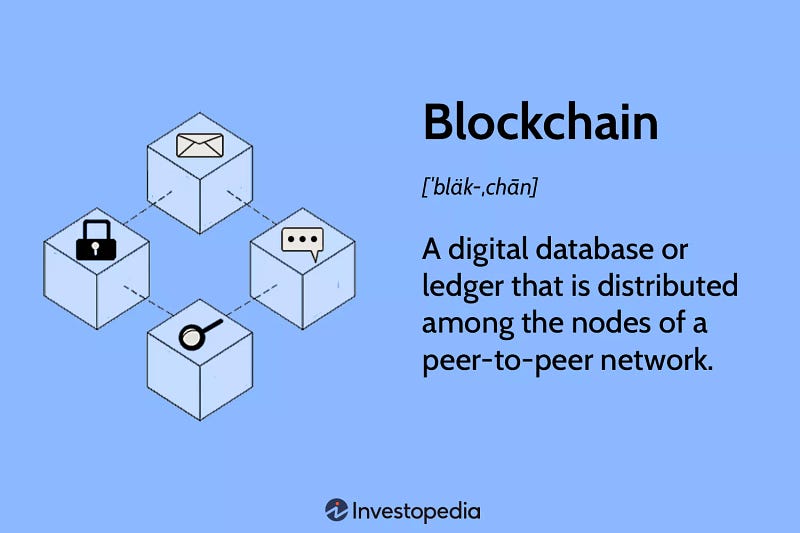
At its core, blockchain is a decentralized, distributed ledger that records transactions across a network of computers in a secure, transparent, and tamper-resistant manner. Unlike traditional centralized systems, where a single entity controls the ledger, blockchain operates on a consensus mechanism, allowing multiple nodes to validate and record transactions. This decentralized nature brings transparency, security, and immutability to the forefront of blockchain technology.
The Structure of Blockchain
Blockchain consists of a chain of blocks, each containing a list of transactions. These blocks are linked together in a chronological order, forming a continuous chain. What makes blockchain revolutionary is its consensus algorithm, which ensures that all participants in the network agree on the validity of transactions before they are added to the ledger. This eliminates the need for a central authority and minimizes the risk of fraud or manipulation.
Cryptocurrencies and Decentralization
The decentralized and trustless nature of blockchain serves as the impetus behind the inception of cryptocurrencies. Bitcoin, a trailblazer in the digital monetary revolution, leverages blockchain to facilitate peer-to-peer transactions without intermediaries.
This decentralized and trustless model not only eradicates the hegemony of traditional financial institutions but also empowers individuals with financial autonomy and enhanced privacy. The term "trustless" underscores the idea that transactions can occur securely without the need for participants to trust each other directly, relying instead on blockchain technology's consensus mechanism and cryptographic principles.
Smart Contracts: The Next Frontier
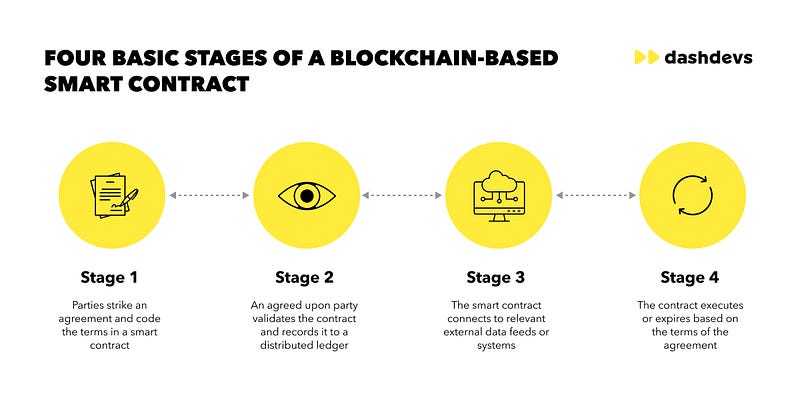
Beyond cryptocurrencies, blockchain facilitates the creation and execution of smart contracts — self-executing contracts with the terms of the agreement directly written into code. Smart contracts automate and enforce contractual agreements, reducing the need for intermediaries and streamlining processes across various industries, from real estate to supply chain management.
Challenges and Opportunities
While blockchain technology holds immense promise, it has its challenges. To ensure widespread adoption, scalability, energy consumption, and regulatory concerns must be addressed.
However, the potential benefits, including increased security, transparency, and efficiency, make overcoming these challenges worthwhile.
Blockchain Beyond Finance
The impact of blockchain extends far beyond the realm of finance. Industries such as healthcare, logistics, and voting systems are exploring the potential of blockchain to enhance security, reduce fraud, and streamline operations.
As the technology matures, we can expect to witness a paradigm shift in how data is managed, and transactions are conducted across diverse sectors.
Blockchain technology has emerged as the linchpin of cryptocurrencies, revolutionizing the financial landscape and extending its transformative influence to various industries. The decentralized, transparent, and secure nature of blockchain has the potential to redefine the way we conduct transactions, manage data, and establish trust in the digital age.
As the world grapples with the implications of this groundbreaking technology, one thing is clear: the blockchain revolution is well underway, and its impact is set to reverberate across the global economy for years to come.
Until next time.
Thank you for reading! If you enjoy my writing, it will help me to follow and subscribe so I can keep contributing engaging content.


