
Blockchain Made Simple
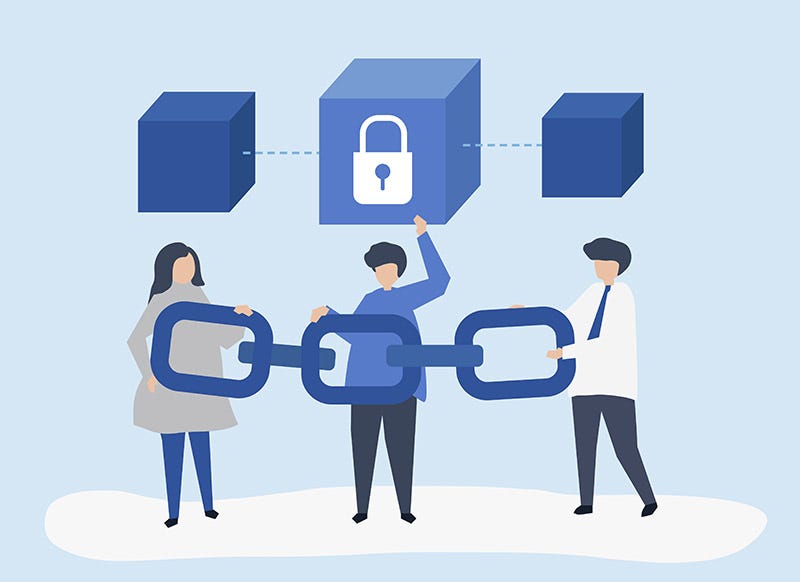
A lot of people think Blockchain is complicated, but the concept is actually extremely simple:
You make a copy of a database on everyone’s computers.
So instead of one single company like Google having and controlling a database, blockchain copies the database to everyone’s computers.
Any change to the database is copied by everyone’s computer on the network as well. Which makes the database universal and trustworthy. No change can be made to the data on the database without that change being accepted and confirmed by the network.
That’s it.
A distributed database that is run by the people. That is available and accessible everywhere and can be trusted.
Since databases constitute the basis of how we use the Internet out of a need to store our data and they are behind every single service that we use, this enables us to build applications that use this distributed database. This means that these applications can be available anywhere universally.
Anyone can get on the network and use the database, and anyone can run applications on it.
This creates some kind of ‘distributed’ Internet in which no central authority or corporation is in control, acting as a gatekeeper.
Moreover, this enables us to make transparent, verifiable interactions with each other since the entire network keeps a track of those interactions through the shared, universal database.
The applications are endless. From distributed crypto-money like Bitcoin to blockchain that can act as an infrastructure to build distributed applications like Ethereum, from DAOs to distributed blogs or content.
So, Blockchain acts as an agent that takes back the control from centralized entities like corporations and gives it back to the people.
A much-needed change.
Related articles by me:
Subscribe to my newsletter here to keep in touch, and consider becoming a Medium member if you like reading. A small part of your membership will support my writing as well.


