
Short Story, Educational and Historical Fiction, Vignette
Black Voices in a World of Lies
The Shape of Truth
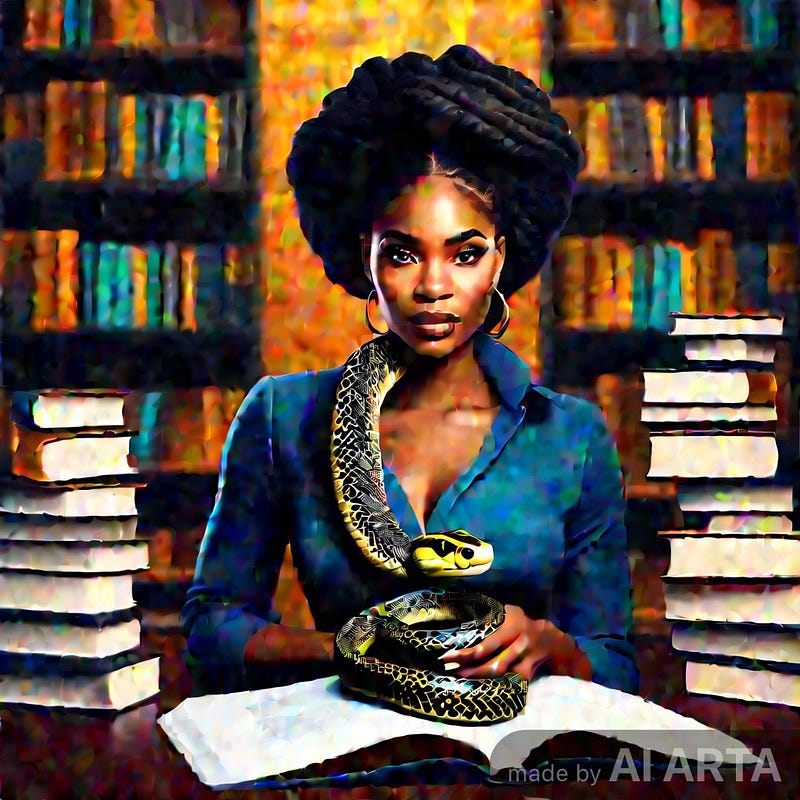
Mrs. Aise’s classroom radiates positive energy – the bright colors and natural light invigorate her students. Perfect for today’s lesson on fabulation, she queues up “Poker Face” by Lady Gaga, a song about the consequences of hiding emotions and elaborate lies.
Fabulation – crafting untrue stories – weaves through literature, film, and everyday life. It sparks wonder in literature like the fantastical elements in “The Arabian Nights,” builds suspense, and explores deeper themes in films like “The Matrix.” Even in conversation, people exaggerate, like claiming a non-existent lottery win.
While fabulation can be fun, it’s important to remember it can also be used to deceive. If a story seems too good to be true, it probably is!
Mrs. Aise adjusted her tortoiseshell glasses, the morning light glinting off their polished surface, as she surveyed her sophomore English class. Today’s topic was fabulation, but a dry definition wouldn’t do. Instead, she’d show them how fabulation was a tool woven into the Black experience.
“Alright, class,” Mrs. Aise said, her voice warm and powerful, “let’s shift gears and see how fabulation appears in nature! Animals use deceptive techniques – camouflage and mimicry – to fool predators or prey. Think of how stick insects disappear into their surroundings or the harmless king snake imitating the venomous coral snake.”
Silence hung before Ricardo sounded off, “Like your grandma’s stories about the talking catfish in Mississippi?”
The class exploded in laughter, but Mrs. Aise smiled. “Exactly, Ricardo. Those ‘tall tales’ were more than entertainment; they kept our history alive, passing down lessons with a touch of magic.”
Sunlight tilted through the window, casting motes of dancing chalk dust onto the board. The faint, familiar scent lingered in the air. Mrs. Aise turned to face her students, her gaze steady. “For far too long,” she began, “white folks controlled the story of slavery. But our ancestors, they had ways. Truths whispered through generations, woven into songs passed down like heirlooms.”
She strode to the board, a single name – “The Slave Narratives” – appearing in bold strokes. “These weren’t just tales of daring escapes,” she explained, her voice firm yet filled with respect. “They were testaments to resilience, victories of the mind. Outsmarting the overseer with cunning wit, these narratives are weapons forged in the fires of oppression.”
She shared the tale of Abraham, a runaway slave who spun fantastical yarns about “Shangri-La,” a hidden land of Black freedom. The white folks scoffed, but Abraham knew it wasn’t about a real place; it was the hope those stories planted that truly mattered.
“Fabulation wasn’t just about fantastical creatures,” Mrs. Aise continued. “It was about bending the truth to emphasize a point, like in the blues. Those songs weren’t just about hardship but also about dreams and overcoming. Sometimes, exaggeration helps you show the world what you mean.”
She pointed to Kaiya, who had her hand raised. “Mrs. Aise, was fabulation a secret code for Black folks?”
“Exactly, Kaiya,” Mrs. Aise beamed. “A way to communicate what oppressors wouldn’t understand and keep our culture alive.”
The resulting class discussion crackled with energy. Students shared family stories, trickster tales, and hidden meanings.
Mrs. Aise saw a flicker of understanding and pride in their eyes. As the bell rang, she felt a surge of satisfaction. Fabulation was more than a literary term; it was a testament to Black strength and creativity and a reminder that sometimes, you bend the truth to tell the real story.
KourtneyNicoleWrites a name that ignites – a writer’s soul where creativity takes flight. With pen in hand, she weaves words so fine, crafting stories and verses like a hummingbird’s rhyme. Copyright © 2024 KourtneyNicoleWrites™ All Rights Reserved.