
Poetry
Black Sheep Of The Family
A girl’s lament at the love-hate relationship she shares with her brother
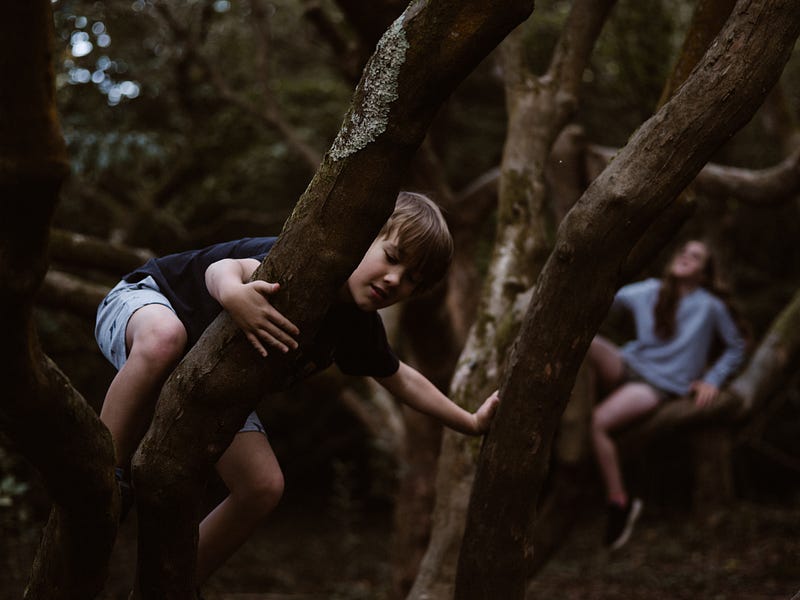
My very first memories of my brother are those of me wondering how life would be different if he was never born.
Would my parents think I am smart enough when they would have no one else to compare my grades with? Would I feel that my birthday presents were good enough if he did not receive better presents year after year? Would my achievements deserve praise without him setting a standard for how much I should achieve before I can be celebrated the way he always was?
Without my brother being the role-model, would I be free to take my own path? Would choosing a career in anything but engineering be an option? And would my parents actually be proud of me, rather than treating me like I let them down, no matter how hard I tried to be good enough?
I was twelve when I first heard “Seasons In The Sun” by Westlife, fifteen when I knew it was a cover of the original by Terry Jacks, but it didn’t take me long to love the song and keep playing it over and over again on repeat in that old cassette player we kept on the shelf beneath the TV, because there was this one line that I loved with all my heart — not because I am a great music fan, but it felt like this was written just for me —
Goodbye Papa please pray for me I was the black sheep of the family.
Black sheep of the family — that’s me. I knew this when I was twelve that I wasn’t as cherished, that I wouldn’t be lauded until I achieved a set number of goals, that all the love I ever deserved would be conditional.
As I am older now, I realise that not everything was my brother’s fault. Yes, he had some magic that let him excel in whatever avenue he ventured along, but my lack of talent was not his fault.
I wish I could apologise for all the times he came running to me, cheeks flushed with happiness, telling me how he won that art competition or topped the class again in mathematics, and instead of being happy for him, I tried to make him feel bad for he was not simply adding another laurel to his name, but adding another weight on my shoulder, setting another milestone I would never be able to achieve.
I love my parents but I sometimes wish they celebrated the differences between my brother and I, rather than pushing me into the box of their expectations defined by my brother, and then resenting me, if my edges were too rough to be cramped into that claustrophobic space — that cage of their expectations, the weight of all that I needed to achieve, but could not.
Yes, I was the black sheep of my family — I still am — but it was probably not my brother’s fault, and it certainly wasn’t mine either.
Author’s note: If you liked this piece of work, please do consider reading my book Stolen Reflections: Some Stories Are Told in Verse. It is a collection of 100 poems exploring 15 different traditional poetry forms, including the haiku, tanka, limerick, palindrome and the modern free verse.


