
#Black Lives Matter and the Power of Listening
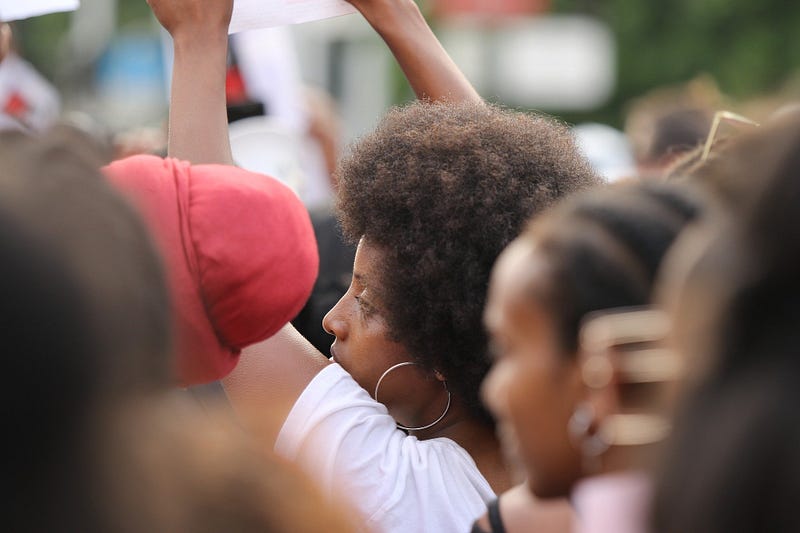
It’s eleven o’clock at night and it’s been a day where I’ve had some uncomfortable conversations with my white friends about white privilege. If you don’t know what white privilege is, then there is a wonderful quote by Steve Biko, A Black South African Activist who championed the dismantling of Apartheid, writing under the pseudonym of Frank Talk who said, “Never forget, that the colour of the white man’s skin is his passport to privilege.” To expand on this quote, it means not being disproportionally stopped and searched by the police. It means when you apply for a mortgage not having disproportionate checks made on your income. And it means not being followed in shops because you are thought to be a shoplifter merely on the account of the colour of your skin.
This conversation was sparked when I added the Facebook slogan, “Black Lives Matter” to my profile picture. Boy, did that get a reaction of “People Matter”, to “All Lives Matter” from my well-meaning white friends.
In the last few days, I’ve also read and received comments such as: “we are all pink under our skin”, to more recent, “I don’t see colour” — really? If you can tell the difference between night and day, trust me, you can tell the difference between black and white. Ironically, it’s this refusal to see colour that continues to perpetuate the inequalities faced by people of colour in all sectors of society.
However, one particular conversation stays with me and gives me hope; and it involves the power of listening. Not listening to comment on, nor to agree or disagree, like we usually do, but to truly hear what another has to say from their point of view, by setting your point of view to one side.
Whilst talking with another white friend about white privilege, fearful of the same whitewashing I had experienced, there was utter silence and a true listening of what I had to share. It was such a moving and healing experience for me. Instead of discounting what I had to say, here was a white person willing to hold space as I shared my experience without telling me I was wrong or feel the need to defend themselves. And then a really extraordinary thing happened as a consequence, she shared how she felt shame as a white person and how uncomfortable the topic of racism made her feel. Just as I didn’t want to be labelled the angry Asian woman (of Indian extraction) by sharing my experience, neither did she want to feel shame for having been born in a position of privilege and entitlement because of the colour of her skin.
It was a real lightbulb moment for me. In really hearing what she was sharing, I realized why so many of my white friends may have been so intent on defending themselves: they didn’t want to feel that shame either or be linked to a system that perpetuates these inequalities.
From my experience, it is clear to me that healing from shame is needed on both sides and it can start with the simple act of listening.
During the last few days, I have had white folk reach out to me asking me how they can help with regards to the current protests against racism. My answer — simply listen to what people of colour have to say. Don’t try to suppress their voice because you are uncomfortable hearing their truth. If you can act as a witness and really hear them without the need to defend yourself, then you will open up a dialogue where new conversations can be had and new possibilities for a fairer and just society can emerge.
If you’d like to discover the power of listening then visit, www.transformationmadeeasy.com