
Black History Month: Remember Igbo Landing and the Flying Africans
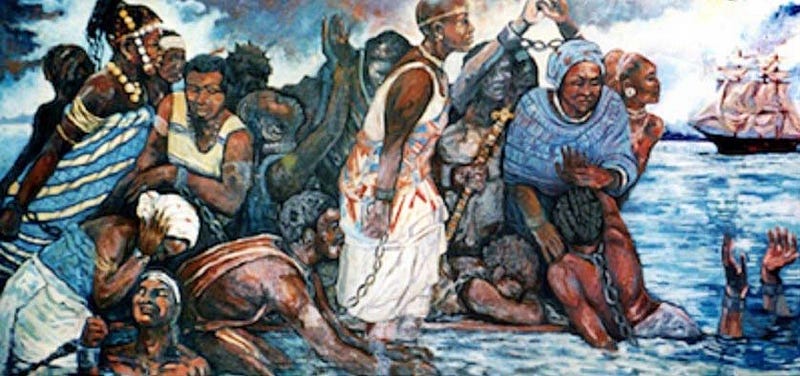
Adaugo. Daughter of an eagle. Obidike, the heart of a strong man. Amadioha, god of thunder. Ezinwa means, good child. Onaedo, precious gold. Ndidi means patience. Obiora. Heart of the people. Enuma. The heaven’s know. Jideofor. Free from guilt. Anwuli. Joy. And my own name, Chika, means God is supreme.
These are all Igbo names and as I write these names down, I am speaking them out loud as well.
Because these could have been the names of Igbo people who committed suicide together in the year 1803.
Before I go any further, let me establish what Igbo is, in case you’ re asking yourself ‘what does Igbo mean?’ Igbo is the name of one of the largest ethnic groups in West Africa. Igbo is also the name of the language spoken by Ndi Igbo (that means ‘Igbo people’). Population estimates put the Igbo people somewhere between 14 and 30 million and the Igbo diaspora is worldwide. There’s even a popular Nigerian joke that if you don’t see an Igbo person in a community, then leave that place because it’s not fit for human habitation. While Ndi Igbo are dispersed all over the world, they come from the area that is now known as southeastern Nigeria.
Igbo culture values high achievement and there are many Igbo people who’ve made a name for themselves. To name a few there’s the celebrated writer Chinua Achebe who is known as the founding father of African fiction; Obiageli Ezekwesili, former vice president of the World Bank’s Africa division and a founding director of the corruption-fighting organization Transparency International; Nnamdi Asomugha, actor and former football player in America’s NFL, as well as actress Kerry Washington’s husband; Chiwetel Ejiofor, the actor who’s riveting role as Solomon Northup in the 2013 Steve McQueen film, 12 Years A Slave, won him Academy and Golden Globe award nominations.
Chimamanda Adichie, the novelist, eloquent public intellectual and feminist; Chioma Ajunwa, first black African woman to win an Olympic gold medal in a field event, as well as the only individual Nigerian Olympic gold medalist to date.
Some African-Americans have even traced their DNA back to the Igbo people, like Bishop T.D. Jakes, actors Blair Underwood, Forest Whitaker and Danny Glover.
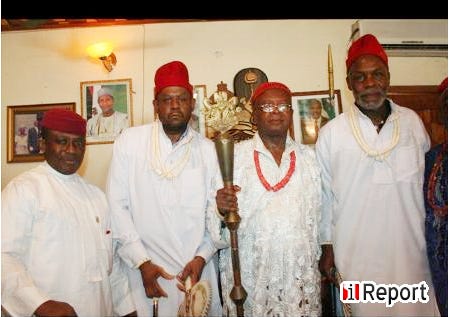
Ndi Igbo are known to be a fiercely independent, industrious and proud people. I should know. I am Igbo, born in 1986 on the banks of the Niger River in the cradle of Igboland’s dense forests and cracked red earth.
I am Igbo, born on the banks of the Niger River in the cradle of Igboland
217 years ago a group of Igbo people killed themselves in the American state of Georgia. Some of those people could have been my distant relatives. They committed suicide because they refused to be slaves. The place where the deaths happened is known today as Igbo Landing. (Read more about it http://www.georgiaencyclopedia.org/articles/history-archaeology/ebos-landing and http://www.glynncounty.com/History_and_Lore/Ebo_Landing/)
As an Igbo woman who grew up in Georgia, the Igbo Landing story haunts, hurts and inspires me.
This is what happened.
By 1803, the Trans- Atlantic Slave Trade that would end up transporting between 10 and 15 million enslaved Africans from their homelands to the Americas, the Caribbean islands and Europe was well underway with the heightened demand for slave labor. Business on sugar and tobacco plantations was booming. But the Igbo people would eventually gain a reputation for rebelling against the chains of slavery. (Read more about it https://academic.oup.com/ahr/article-abstract/122/2/317/3096204?redirectedFrom=PDF)
The Igbo Landing story captures one of those rebellions and it’s become a legendary story that testifies to the unbreakable spirit of resistance to oppression.
Ogugua. Consoler. Ezinne. Good mother. Ifeatu. Something worthy of being referred to. Otito. Praise. Nwabueze. Child is king. Akunna. Father’s wealth. Ebeledi. There is mercy. Anyanwu. The sun. Onyemaechi. No one knows tomorrow. Zimife. Show me the light. Akummiriigwe. Dew of heaven.
It’s difficult to sift the facts from what has evolved into a folkloric tale that’s been preserved and passed down generation-to-generation in the oral traditions of the Gullah/Geechee people (a subculture of African-American).
The story goes like this:
A shipload (some accounts say the slave ship was called The Wanderer) of people captured from West Africa managed to survive the horrors of the Middle Passage and arrived in Savannah, Georgia in May 1803. They were sold at a local auction. Most accounts say that agents John Couper and Thomas Spalding bought 75 of them — all Igbo — to work as slaves on St. Simon’s Island off the Georgian coast. The Igbo were reloaded onto a smaller ship (some accounts say the vessel was named The Morovia, other accounts say it was called The Schooner York) headed to St. Simon’s Island.
As an Igbo woman, the Igbo Landing story haunts, hurts and inspires me
But that voyage to the island did not go as the captors planned. During the journey, the Igbo slaves revolted and took control of the ship, drowning their captors.
The vessel was grounded at a stream in the woods on the island called, Dunbar Creek. (Read more about it https://www.heraldstandard.com/new_today/dunbar-creek-a-special-place-comments-needed/article_9a73537b-3a39-53ab-9f86-70b0ecba1a8d.html)
Next, some of the Igbo people walked together into Dunbar Creek.
Some versions of the story say as that the Igbo people walked into the water repeating a chant that goes, “Orimiri Omambala bu anyia bia. Orimiri Omambala ka anyi ga ejina,” which translates as “The water spirit Omambala brought us here. The water spirit Omambala will carry us home.” (The Omambala river is a river in Igboland).
Did they walk into the water with the intention of drowning or were they calling out for the water spirit to take them back to Igboland?
We will never know the answer to these questions.
Zikora. Show the world. Okonwko. Man born on Nkwo market day. Nnenna. Father’s mother. Nwabufor. A child is relief. Nkiruka. My future is greater. Ikeogu. The strength to fight. Kelechi. Thank God. Nonyelum. Stay with me. Akudo. Peaceful blessings.
An account names Roswell King as an eye witness and a white overseer who recovered some of the drowned bodies and slave dealer William Mein who described what happened in a letter. (Read more about it https://academic.oup.com/jah/article-abstract/97/1/39/719493?redirectedFrom=fulltext)
Some of the Igbo people survived and were taken elsewhere.
Nowadays, the Gullah-Geechee people — descendants of enslaved Africans; they live in the American Low Country of Florida, Georgia and South Carolina — are still retelling the Igbo Landing story with pride. The story is even taught in some of the local schools. In the 1930s researchers from the Federal Writers Project met and interviewed some Gullah-Geechee people who told them about the story. (Read more about it https://www.amazon.com/dp/B0035LCXRE/ref=dp-kindle-redirect?_encoding=UTF8&btkr=1 and https://www.jstor.org/stable/40662817?seq=1)
One elderly African-American man interviewed named Floyd White is recorded as saying:
“Heard about the Ibo’s Landing? That’s the place where they bring the Ibos over in a slave ship and when they get here, they ain’t like it and so they all start singing and they march right down in the river to march back to Africa, but they ain’t able to get there. They gets drown.”
Some historians still say the story is a myth, not fact.
The story has been re-imagined and retold as the tale of the “Flying Africans,” a narrative of Africans who used magic to break free from slavery and fly to their homeland.
The local African-American community in St. Simon’s Island held an event in the summer of 2002 to commemorate Igbo Landing. The attendants walked to the site to consecrate the land and declare it a sacred ground. (Read more about it https://www.georgiaencyclopedia.org/articles/history-archaeology/ebos-landing)
Though the Igbo Landing site now sits next to a sewage treatment plant, the local people have deep respect for the land. Some fishermen don’t even fish in Dunbar Creek, not wanting to disturb the souls. Some say they’ve seen strange things happen in the water, and that sounds call out from the creek at night.
Olisabinaigwe. God in heaven. Nwakaego. Child is greater than money. Obiageli. Born to enjoy. Uzoma. Good way. Egodi. There is money. Adaeze. The king’s daughter. Onyinye. Gift. Kasiemobi. God comfort me. Nkemakolam. May I not lack what’s mine. Lotanna. Remember the father.
In pop culture and African-American folklore, the Igbo Landing and Flying Africans story lives. It’s been referenced in children’s books, films — like Julie Dash’s 1991 cinematic reverie Daughters of The Dust), literature — like Virginia Hamilton’s The People Could Fly,
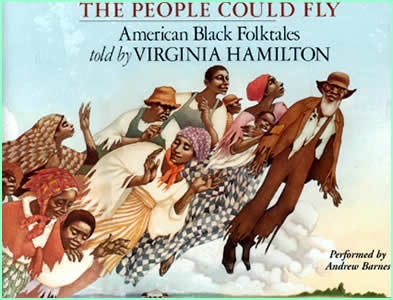
— and award-winning novelist Toni Morrison’s novel Song of Solomon.
Georgia-based singer Phil Morrison beautifully captures the spirit of the story in his song, Remember Igbo Landing. (Check it out https://www.broadjam.com/artists/songs.php?artistID=18679&mediaID=700356)
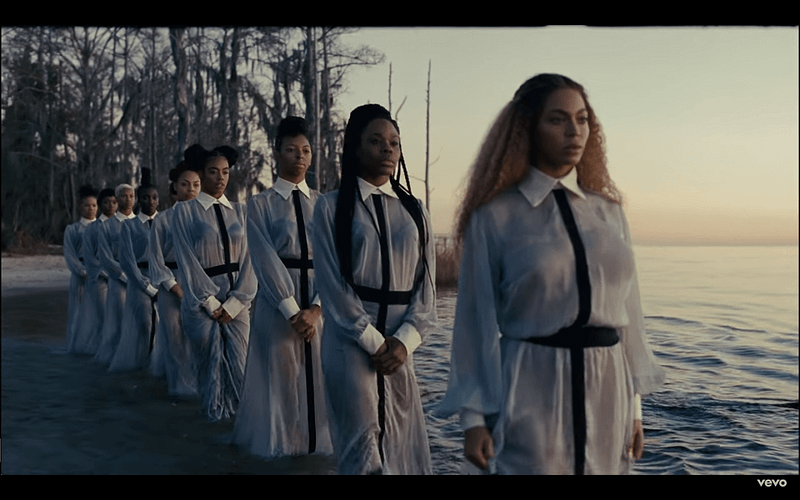
Some people interpret Beyonce’s visual album Lemonade as an homage to Igbo Landing, alluding to a scene in the video for Love Drought where Beyonce and other women stand in a solemn procession in a body of water. The landscape in the video actually looks like something you’d see in the islands off the Georgian coast, with the Spanish moss and oak trees. (Read more about it https://www.q-zine.org/non-fiction/beyonces-love-drought-video-slavery-and-the-story-of-igbo-landing/)
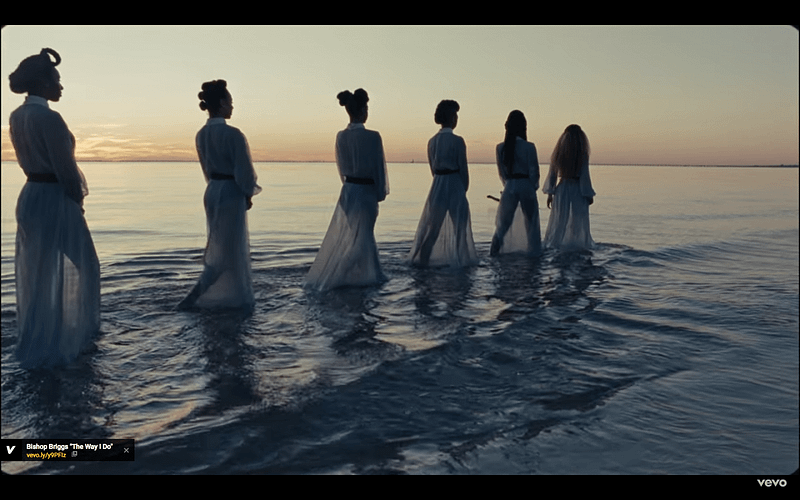
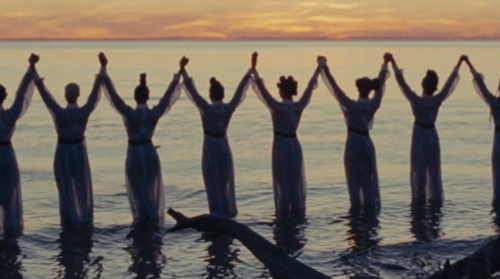
There’s been several visual artworks created to portray what could have happened as the Igbo people were walking together into the creek.
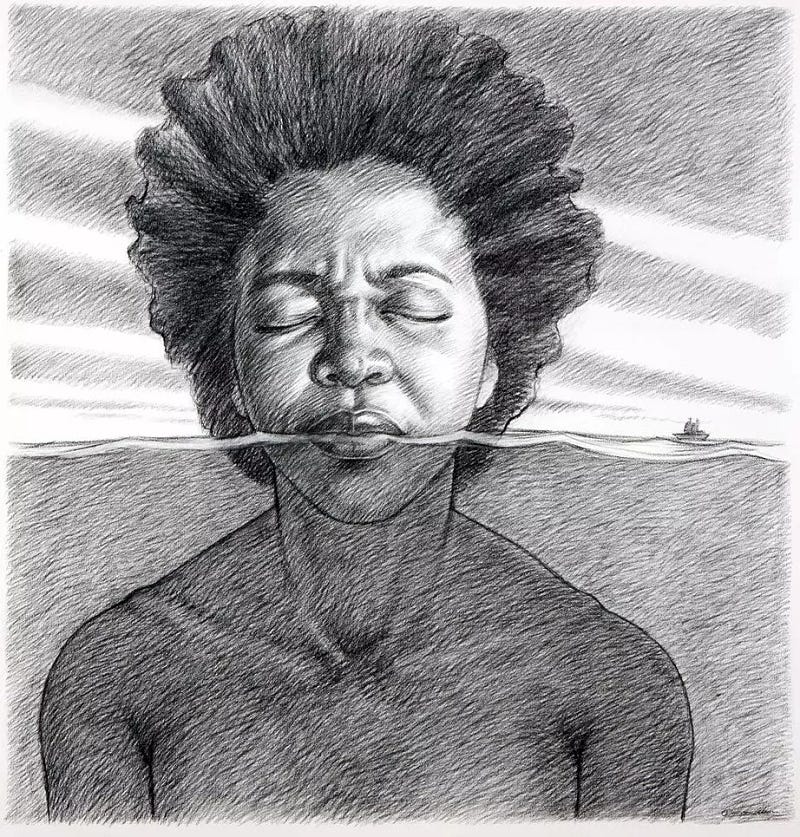
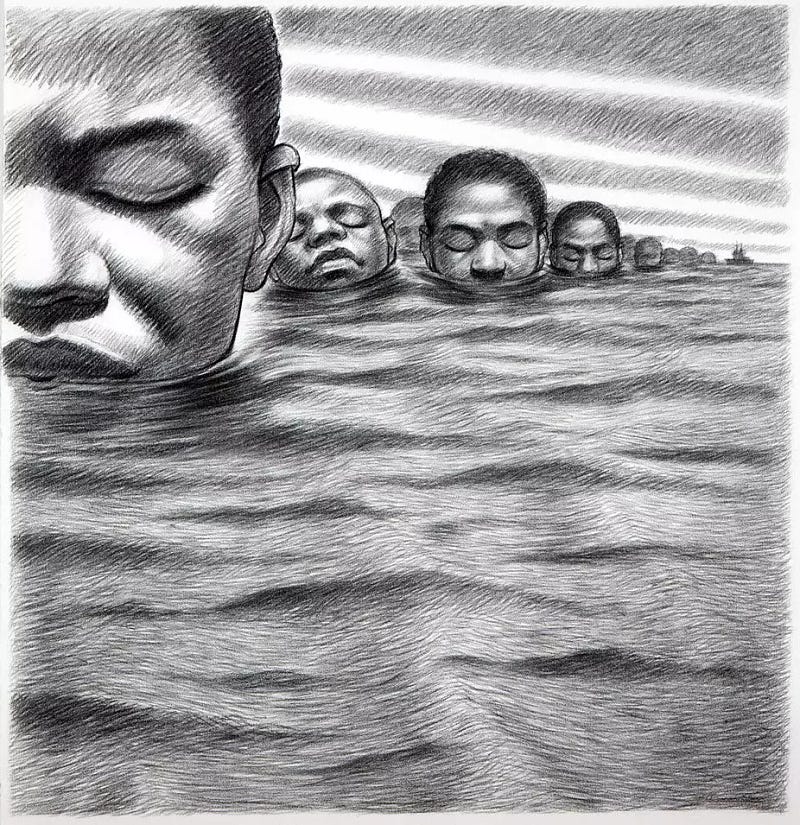
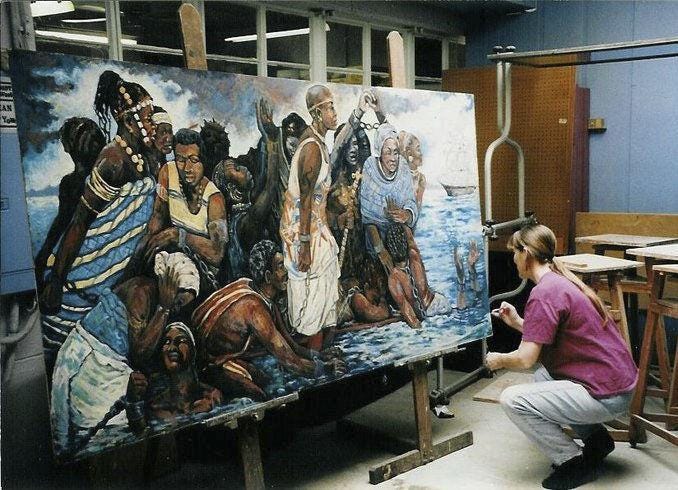
The Igbo Landing story has stood the test of time and for many African-Americans, it speaks to the strength of enslaved Africans. (A few years ago, a gathering of African-Americans visited Nigeria as part of an initiative called the Ebo Landing Project. Read more about it: https://thegrio.com/2013/07/15/black-americans-undergo-cleansing-from-slavery-stigma-in-africa/2/).
I’ve devoted some of my time this Black History Month to remember those Igbo people who walked into the creek that day so many years ago.
And the best way that I can remember them, I think, is to write down and speak Igbo names, hoping that some of the names I mention are theirs.
So, I continue.
Somnazu. Walk behind me. Ijeawele. Smooth journey. Olanna. Father’s jewel. Ginikandu. What is greater than life? Echioma. Brighter tomorrow. Kamgolibe. Let me rejoice. Azuka. What comes after me is bigger. Nkemjika. What I have is greater. Kambilinudo. Let me live in peace. Obiajulu. Rest of mind. Nnamdi. Father is here. Yagazie. May it go well with you.
Ugonna. Father’s prestige.
Adaora. Daughter of the people.
Ezeudo. King of peace.
Iheanacho. What is desired.
Ngozi. Blessing.
Nkemdilim. Let my own remain for me.
Ikemefuna. What I worked for, let it not be in vain.
Afamdi. My name will remain.
And let their names remain.


