
Bitcoin v.s. Eastern Powers: How Crypto is Struggling to Overcome Authoritarian Governments
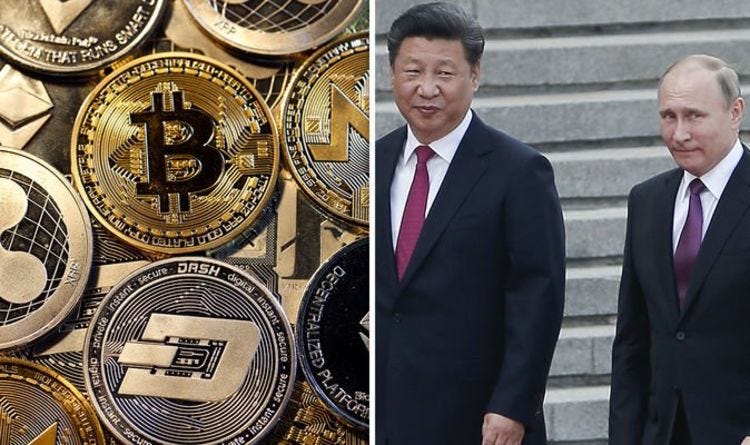
The crypto market’s unprecedented global success in modern times is revolutionizing the way we make digital transactions. By utilizing blockchain technology, people can circumvent centralized powers to move money around the economy as they please. With crypto like Bitcoin reaching tens of thousands of US dollars per coin, global economists are watching this tech’s development closely.
The decentralized nature of blockchain, however, is not looked upon positively by certain centralized powers; specifically the authoritarian superpowers Russia and China. The circumventing of established power structures in these countries directly undercuts authoritarianism, and so in recent times both of these countries have begun to crack down on the presence of cryptocurrencies in their economies.
So how is bitcoin surviving (if at all) in China and Russia, and what are their governments doing to prevent its growth?
Chinese Crypto Ban
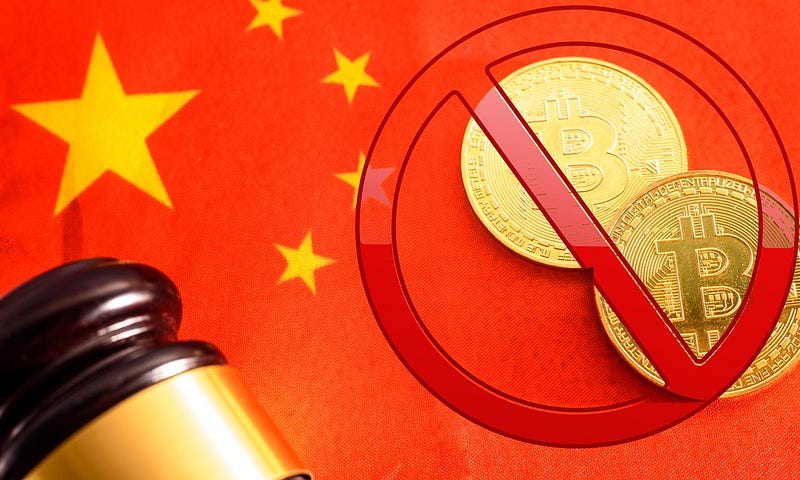
Anyone who keeps up with the crypto space remembers the recent crash of Bitcoin in the last year. This major crash was directly caused by the Chinese communist government banning ALL crypto currency (including bitcoin) from use in their economy.
Now, you might be wondering how such a declaration could be enforced, as the country of China is very large and holds the largest population in the world. The answer is: communism. Although the CCP can not stop 100% of the mining and trading of Bitcoin, every single business under the control of the government would be banned from accepting the virtual coin under threat of harsh punishment. Virtually all major businesses in China must be approved by the government due to communism, so the ban of crypto hits especially hard.
Why did they do it?
As stated before, crypto directly undercuts the core ideas of authoritarian government. A decentralized economy means the government can not control the flow of money, and this lack of control leads to unintended consequences for those in power.
Can crypto survive in China?
Simply put, yes. Crypto will never be fully eradicated, but its economic footprint has been drastically decreased in China. Before the ban went into effect 70% of ALL global Bitcoin was mined from the communist country, so it is safe to assume that the remnants of its mass production are still present in China. Whether or not it will be able to make a comeback is yet to be seen.
Russian Crypto Ban
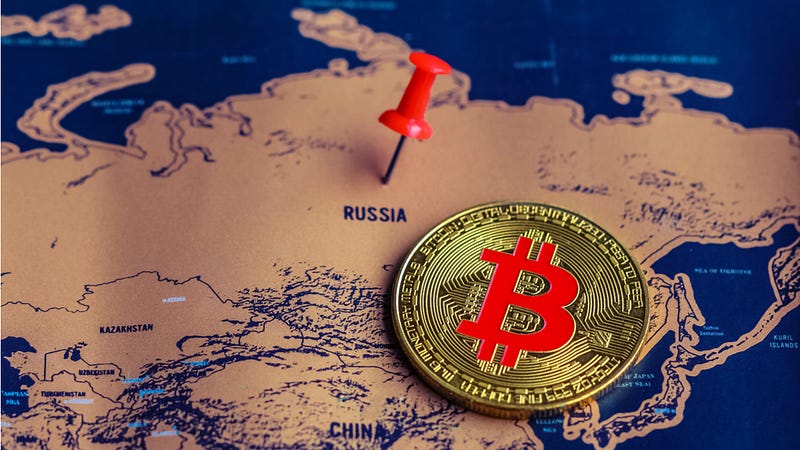
Russia, although no longer communist after the fall of the USSR, can still be considered authoritarian in power compared to Western governments. In recent news, the country’s central bank proposed a ban on all crypto and crypto mining (similar to their counterparts in China).
Why do they want to do this?
It is very telling that the central bank would propose something like this, as they are probably realizing that a decentralized system of transactions directly undercuts their own power. Also, this proposal comes after the Russian government witnessed how China (their neighbor and ally) has been able to enforce such a ban, albeit in a much more communist fashion.
What would be the fallout of a Russian crypto ban?
It is predicted that a crypto ban would have detrimental effects to the Russian tech industry, and hurt the Russian economy (as well as the crypto market). The assumption is they already know this and are banking on the “ends justifying the means” for the survival of their authoritarian hold on the economy.
Telegram founder Pavel Durov stated on this issue that:
“Such a ban will inevitably slow down the development of blockchain technologies in general. These technologies improve the efficiency and safety of many human activities, from finance to the arts,”
and that this decision could,
“destroy a number of sectors of the high-tech economy.”
Whether or not Russia will follow in the footsteps of China has yet to be seen, as the ban has not been officially made yet, but global economists are watching closely. Such a major economic blanket banning all crypto could have consequences similar to the fallout of China’s crypto ban.
The future of crypto is shaky in the Eastern hemisphere of the world in light of these bans, and the continued crackdowns by Russia and China will no doubt slow its global growth into the future.

Love the article? Please consider supporting me, while also accessing unlimited Medium articles; follow the link to subscribe as a member for $5 per month or $50 per year.
Thank You!