
Biotechnology Breakthroughs: From Gene Editing to Synthetic Biology
Introduction:
Biotechnology stands at the forefront of scientific innovation, heralding a new era in which the boundaries of what was once deemed impossible are continually pushed. Within this realm, two groundbreaking areas, gene editing and synthetic biology, have emerged as transformative forces, capturing the collective imagination of scientists, researchers, and the general public alike. These cutting-edge technologies not only redefine the possibilities within the scientific landscape but also hold the immense promise of revolutionizing fields such as medicine, agriculture, and various industrial processes. In this comprehensive exploration, we embark on a journey through the latest breakthroughs in biotechnology, with a specific focus on the remarkable progress witnessed in the realms of gene editing and synthetic biology.
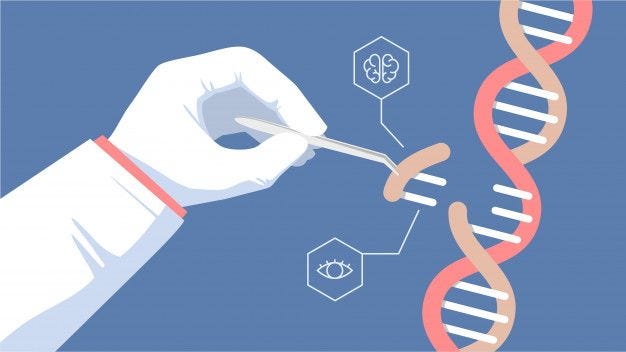
Gene editing, a marvel within the biotechnological toolkit, allows scientists to precisely modify the DNA of organisms. The advent of CRISPR-Cas9, a revolutionary gene-editing tool, has catapulted this field to new heights. The precision and efficiency of CRISPR-Cas9 enable researchers to target specific genes with unprecedented accuracy, opening avenues for therapeutic interventions in human diseases, genetically modifying crops for enhanced resilience and yield, and addressing environmental concerns through targeted interventions. As we delve into the latest developments in gene editing, the potential to cure genetic disorders, create genetically modified organisms with desired traits, and develop personalized medicine becomes increasingly tangible.
Complementing the strides in gene editing is the rapidly evolving landscape of synthetic biology. This interdisciplinary field combines principles from biology, engineering, and computer science to design and construct novel biological entities with enhanced functionalities. Synthetic biology goes beyond tinkering with existing biological systems; it involves the creation of entirely new biological components, systems, and organisms. The capacity to engineer microorganisms for the production of biofuels, design custom microbes for environmental remediation, and develop synthetic tissues for medical applications exemplifies the transformative potential of synthetic biology. As we explore the latest breakthroughs in this field, the prospect of tailored biological solutions to address global challenges, from renewable energy to healthcare, becomes increasingly within reach.
The symbiotic relationship between gene editing and synthetic biology unfolds as a narrative of unparalleled potential. Combined, these technologies not only offer solutions to current challenges but also pave the way for uncharted territories of scientific discovery. However, amidst the awe-inspiring advancements, ethical considerations and societal implications loom large. The power to manipulate the very building blocks of life raises questions about the responsible use of these technologies and the need for transparent ethical frameworks.
In this article, we will navigate through the latest breakthroughs in biotechnology, with a magnifying lens on the transformative realms of gene editing and synthetic biology. By understanding the intricacies of these technologies, their current applications, and the possibilities they unlock for the future, we gain insight into a scientific landscape marked by continuous innovation and the potential to reshape the world as we know it.
Gene Editing: Unraveling the Blueprint of Life
One of the most significant breakthroughs in biotechnology is the advent of gene editing technologies. CRISPR-Cas9, a revolutionary gene-editing tool, has allowed scientists to precisely modify DNA, paving the way for unprecedented advances in medicine and agriculture. With the ability to edit genes with pinpoint accuracy, researchers can potentially correct genetic mutations responsible for various diseases.
The medical implications of gene editing are vast. In recent years, researchers have made strides in using CRISPR-Cas9 to treat genetic disorders such as sickle cell anemia and muscular dystrophy. Clinical trials utilizing gene editing technologies have shown promising results, offering hope for patients with previously untreatable conditions.
Moreover, gene editing has the potential to revolutionize agriculture by creating crops with enhanced nutritional value, increased resistance to pests, and improved tolerance to environmental stresses. The ability to tailor the genetic makeup of crops could address food security challenges and contribute to sustainable agriculture practices.
Despite the immense potential of gene editing, ethical concerns surround its applications. The ability to modify the human germline raises questions about the potential for designer babies and unintended consequences. Striking a balance between scientific progress and ethical considerations remains a critical challenge for the future of gene editing.
Synthetic Biology: Engineering Life for Innovation
While gene editing focuses on modifying existing genetic material, synthetic biology involves the creation of entirely new biological systems and organisms. This field aims to engineer life at the molecular level, enabling the design of custom organisms with specific functions.
One remarkable breakthrough in synthetic biology is the creation of synthetic cells. Scientists have successfully designed cells with artificial DNA, expanding the possibilities for creating novel life forms. These synthetic cells have potential applications in medicine, where they could be engineered to produce therapeutic molecules or serve as delivery systems for targeted drug delivery.
In industrial settings, synthetic biology offers the prospect of designing microorganisms capable of producing biofuels, chemicals, and other valuable compounds more efficiently than traditional methods. This could revolutionize the production processes of various industries, leading to more sustainable and environmentally friendly practices.
Despite the exciting possibilities, the field of synthetic biology also raises ethical concerns. The creation of synthetic life forms and organisms designed for specific purposes prompts discussions about the potential unintended consequences and the need for robust regulatory frameworks to ensure responsible research and applications.
Combining Forces: Gene Editing and Synthetic Biology
Perhaps the most powerful synergy within biotechnology lies in combining the capabilities of gene editing and synthetic biology. This convergence allows researchers to not only edit existing genes but also introduce entirely new genetic elements to create organisms with unprecedented functionalities.
This integrated approach holds promise in the development of personalized medicine, where tailored treatments can be designed based on an individual’s genetic makeup. The ability to engineer synthetic biological systems that interact with the human body at the molecular level could lead to more effective and targeted therapies.
Moreover, the combination of gene editing and synthetic biology could play a pivotal role in addressing pressing environmental challenges. Engineered microorganisms could be designed to clean up pollutants, degrade plastic waste, or enhance soil fertility, contributing to sustainable solutions for a rapidly changing planet.
Challenges and Future Directions:
While biotechnological breakthroughs offer tremendous potential, challenges and uncertainties remain. Ethical considerations, regulatory frameworks, and the need for transparent and responsible research practices are critical aspects that must be addressed to ensure the responsible development and application of these technologies.
As we look to the future, ongoing research will likely bring about even more sophisticated gene editing and synthetic biology techniques. The potential applications in medicine, agriculture, and industry are vast, but society must grapple with the ethical, legal, and social implications of these advancements.
Conclusion:
Biotechnology breakthroughs, particularly in gene editing and synthetic biology, have ushered in a new era of possibilities for science and innovation. From curing genetic diseases to engineering custom organisms for industrial applications, these technologies hold the promise of addressing some of the most pressing challenges facing humanity. As we navigate this exciting frontier, it is imperative to strike a balance between scientific progress and ethical considerations, ensuring that the full potential of biotechnology is harnessed for the benefit of humanity.