avatarHannah Brown

Free AI web copilot to create summaries, insights and extended knowledge, download it at here

2534

Abstract

affect us on an emotional level. Take the sound of the red-winged blackbird nested in cattails by marshlands, the rapidly morphing and uncanny imitations of a Mynah Bird song, the hair-raising warning rattle of a well-camouflaged rattle-snake, or the haunting melodic cry of a loon on a lonely lake. These noises play on our sense of survival and some inspire the same euphoria as <a href="https://www.bbc.com/future/article/20130418-why-does-music-make-us-feel-good">music</a> does. Memories of these sounds through our experiences with nature connect us to one another and to the living world. Nothing can replace that.</p><figure id="1b11"><img src="https://cdn-images-1.readmedium.com/v2/resize:fit:800/1*9yU6ZQcdrc0ZBkYqrtZ9yg.jpeg"><figcaption>Picture by <a href="https://pixabay.com/users/aitoff-388338/?utm_source=link-attribution&amp;utm_medium=referral&amp;utm_campaign=image&amp;utm_content=3513843">aitoff</a> at Pixabay</figcaption></figure><p id="11ee">Biodiversity is not always determined by the forces of nature; sometimes humans shape it to meet their needs. Look at pets, working animals, livestock, and crops — selective breeding has given rise to biodiversity that benefits us all over the world. We rely upon these natural resources to sustain our basic needs.</p><p id="f86a"><i>Imagine yourself as an ancient creature, a dinosaur, perhaps. You don’t know this, but when you and your family and friends die, your bones will be forever preserved deep in the pockets of earth your liquefied remains occupy. Another species now reigns supreme and they invent ways to dig deep into those spaces and spout up your immortalized corpses, and use them for their own gains.</i></p><p id="6802">Ancient biodiversity is found in the crust of the earth, driving the way we consume energy. Oil and gas <i>only exist</i> because creatures from long ago died, were then buried in earth dug graves, compressed under the weight over millions of years, then transformed into energy-rich products that drive our daily <a href="https://www.eia.gov/energyexplained/natural-gas/">activities</a>. While no longer composed of living matter, these petroleum products only exist because of the organisms that used to occupy this planet.</p><h1 id="a53f">Dreams realized, brought to you by nature</h1><p id="297f">Our imaginations are fueled by the living things surrounding us. Human societies mimic the methods governing the way that energy and resources are exchanged in nature. For example, a tree falling in a forest mirrors the demo

Options

lition of an old building. The fallen tree creates a new ecosystem with its decaying matter, while the demolished building creates space for businesses and emerging neighborhoods. Observe the underground root-like systems of mushrooms, called mycelium networks, with their interconnected units that transfer energy and materials from place to place. Sound familiar? Yes, this is essentially the natural equivalent of the <a href="http://www.bbc.com/earth/story/20141111-plants-have-a-hidden-internet">internet</a>.</p><figure id="b780"><img src="https://cdn-images-1.readmedium.com/v2/resize:fit:800/1*s3fHxWxhkCWm_E1vZKv69Q.jpeg"><figcaption>Picture by <a href="https://www.freeimages.com/photographer/idemidem-36958">Boni Idem</a> at Free Images</figcaption></figure><p id="1032">It is no coincidence that so many natural elements can be used as a simile for the ways in which human society functions. Nature has provided us with successful centuries-long case studies on every basic problem, providing elegant solutions to be applied to agriculture, technology, health, art, and many other areas in civilization. Agricultural practices such as polyculture or intercropping take on natural principles to minimize the use of <a href="https://www.sciencedirect.com/topics/agricultural-and-biological-sciences/polyculture">pesticides</a>. Some forestry management practices are based on natural <a href="https://www.nrcan.gc.ca/our-natural-resources/forests-forestry/wildland-fires-insects-disturban/why-forests-need-fires-insects-and-diseases/13081">phenomena</a>. There is even a design principle in engineering called Biomimicry, which is the practice of referencing nature to solve engineering <a href="https://interestingengineering.com/biomimicry-9-ways-engineers-have-been-inspired-by-nature">problems</a>.</p><p id="a181"><b>Everything we need comes from nature, including us.</b></p><p id="ef2e">Coexistence and competition in nature model behaviours that humans can and have learned from. Squirrels engage in altruistic behaviour by adopting orphaned young from other families in order to improve the collective survival of successive <a href="https://www.nature.com/articles/ncomms1022">generations</a>. Creatures competing for resources show us how to survive in a sometimes brutal fight for the ownership of land.</p><p id="5954">Ultimately, biodiversity is what is keeping us alive and it is also what keeps us playful and interesting. Without it, we cannot survive and we lose our ability to imagine.</p></article></body>

Biodiversity Illuminates Us

Biodiversity: not just an academic term, but an essential ingredient
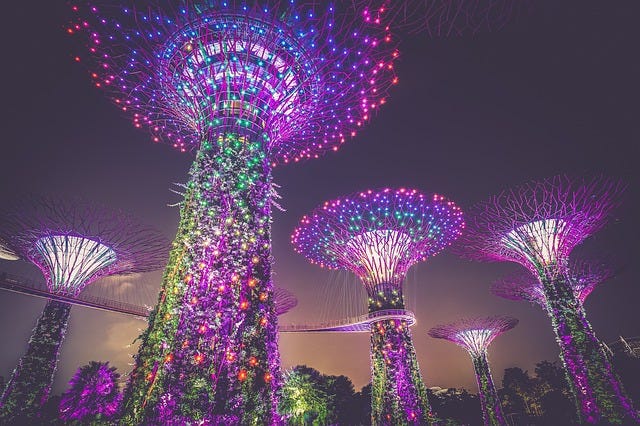
Picture by Free-Photos

Biodiversity: not just an academic term, but an essential ingredient to the longevity of our species. Let me explain.

Biodiversity moves humans to explore. It brings us to places we’ve never seen. Biodiversity means our planet will continue to be a living one. It’s what stops us from becoming barren, sporting Mad Max trucks and skull masks. Biodiversity is colour, smells, song, peace, chaos, and clean water. It is timber, crops, game, dairy, and fish. It is around us at all times.
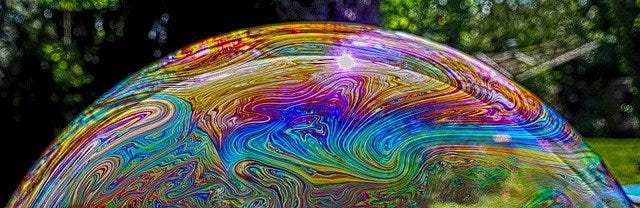
Picture by Alexas_Fotos

We live in a world where every space, relationship, and the role is occupied. From tiny spaces, like different species of birds living harmoniously in the same tree, to the extensive migratory routes of the breathtakingly massive and mysterious blue whales.

Creatures living in cities can coexist with humans even in the busiest areas. Amidst the noise and clutter, you would think that birds with complex communication patterns would struggle to liaise, yet they find a way around this. Like friends catching up in a crowded bar, chickadees can change pitch to sing on available frequencies. In order to send warnings and hear mating cries, they use their natural adaptiveness, not just by shouting over one another.

There are sounds created by creatures that are so unique they affect us on an emotional level. Take the sound of the red-winged blackbird nested in cattails by marshlands, the rapidly morphing and uncanny imitations of a Mynah Bird song, the hair-raising warning rattle of a well-camouflaged rattle-snake, or the haunting melodic cry of a loon on a lonely lake. These noises play on our sense of survival and some inspire the same euphoria as music does. Memories of these sounds through our experiences with nature connect us to one another and to the living world. Nothing can replace that.
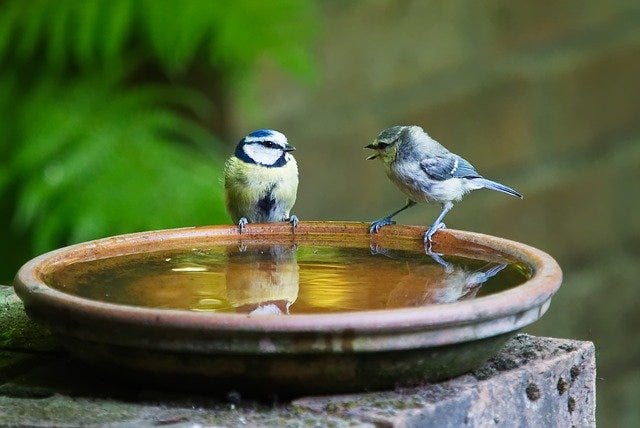
Picture by aitoff at Pixabay

Biodiversity is not always determined by the forces of nature; sometimes humans shape it to meet their needs. Look at pets, working animals, livestock, and crops — selective breeding has given rise to biodiversity that benefits us all over the world. We rely upon these natural resources to sustain our basic needs.

Imagine yourself as an ancient creature, a dinosaur, perhaps. You don’t know this, but when you and your family and friends die, your bones will be forever preserved deep in the pockets of earth your liquefied remains occupy. Another species now reigns supreme and they invent ways to dig deep into those spaces and spout up your immortalized corpses, and use them for their own gains.

Ancient biodiversity is found in the crust of the earth, driving the way we consume energy. Oil and gas only exist because creatures from long ago died, were then buried in earth dug graves, compressed under the weight over millions of years, then transformed into energy-rich products that drive our daily activities. While no longer composed of living matter, these petroleum products only exist because of the organisms that used to occupy this planet.

Dreams realized, brought to you by nature

Our imaginations are fueled by the living things surrounding us. Human societies mimic the methods governing the way that energy and resources are exchanged in nature. For example, a tree falling in a forest mirrors the demolition of an old building. The fallen tree creates a new ecosystem with its decaying matter, while the demolished building creates space for businesses and emerging neighborhoods. Observe the underground root-like systems of mushrooms, called mycelium networks, with their interconnected units that transfer energy and materials from place to place. Sound familiar? Yes, this is essentially the natural equivalent of the internet.
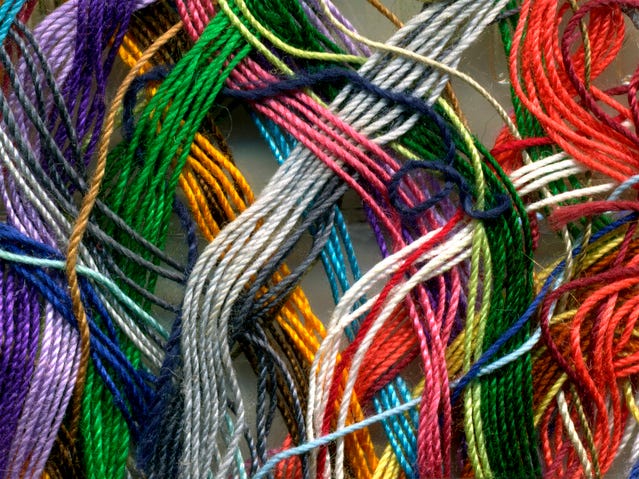
Picture by Boni Idem at Free Images

It is no coincidence that so many natural elements can be used as a simile for the ways in which human society functions. Nature has provided us with successful centuries-long case studies on every basic problem, providing elegant solutions to be applied to agriculture, technology, health, art, and many other areas in civilization. Agricultural practices such as polyculture or intercropping take on natural principles to minimize the use of pesticides. Some forestry management practices are based on natural phenomena. There is even a design principle in engineering called Biomimicry, which is the practice of referencing nature to solve engineering problems.

Everything we need comes from nature, including us.

Coexistence and competition in nature model behaviours that humans can and have learned from. Squirrels engage in altruistic behaviour by adopting orphaned young from other families in order to improve the collective survival of successive generations. Creatures competing for resources show us how to survive in a sometimes brutal fight for the ownership of land.

Ultimately, biodiversity is what is keeping us alive and it is also what keeps us playful and interesting. Without it, we cannot survive and we lose our ability to imagine.

Biodiversity
Nature
Science Communication
Ecology
Environmentalism
Recommended from ReadMedium