Bijan Elahi, Five Scenes from Icarus
Translated by Kayvan Tahmasebian and Rebecca Ruth Gould
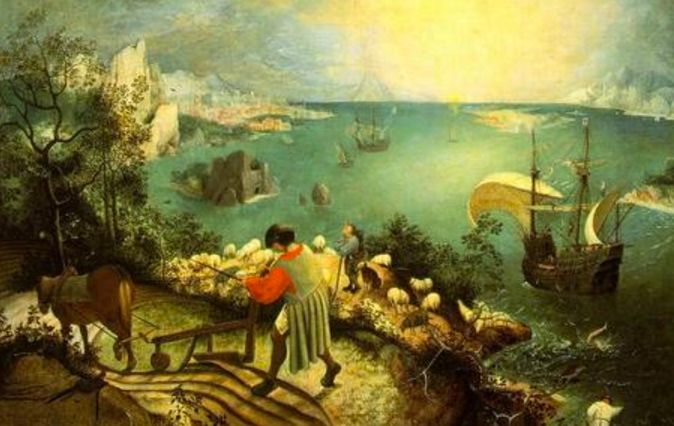
Below is a reading of Bijan Elahi’s poem “Five Scenes from Icarus,” following by the text of the translation.
Free AI web copilot to create summaries, insights and extended knowledge, download it at here
1398
Abstract
id="ac50">I have lifted the sword. I rip the mask off the word and place it on my face. I submit myself to the rain and before the scent of life ascends, I take flight with the angel’s two wings.</p><p id="4ea1">The rain has stopped. The sun of language draws near!</p><h2 id="eda1">II. Misty Dreams</h2><p id="319d">The sky wanted a misty sip from me when the hood of the stroller filled with dew. In the stroller, sleep seized you!</p><p id="73b9">Through the vineyard, through the mist, slumber and wine were distributed. Cheers in the mist!</p><p id="0f66">Icarus fell.</p><h2 id="f1ea">III. Icaruses</h2><p id="fb18">The word with its movement — the word in flight — has filled the space with the scent of flesh. What is a poem but the movement of a word?</p><p id="1db8">In the room the women are talking of Icarus while Icarus’s poem is not composed.</p><p id="d177">Just one word: the sun!</p><p id="5294">And if you return someday from that burning pilgrimage, I will fill the torches cup by cup with the sea and you will know that its flame is the bluest and coldest of flames.</p><h2 id="225f">IV. In Reverse</h2><p id="a84e"><i>to Mohsen Saba</i></p><p id="dbc1">1 The one who left will never return will collapse. At the cloud the narcissus stares at the cloud. It rains. It does not rain. Beneath the wet cloak, when will I be moved to bring the firewood?</p><p id="dc3e">2 Oh, my fr
Options
iend! My friend! Twice is enough. The third is spring air. When Icarus falls from the green sky the narcissus’s corolla fills with rainwater. Look inside! A small Icarus ascends.</p><h2 id="8c45">V. From Icarus and the Bondsman of the Deer </h2><p id="1ba1">Just as the thunderstorm in the rainbow mixes colors with colors, I wish that poetry could mix the two legends together so that we could stare at each other in the poison sunrise, and the plants would recognize water in the poison sunrise. (Water is our majestic selflessness and has taught them the secret of life and us the secret of death.) And the sun would fit into the grape. (The grape is the Holy Last Supper.) Now that the flood of sun has taken the wing away, the deer is helpless. He falls. Generous deer bestow nothing. They watch and watch and watch. Now that the sun slowly moves west on the hill, two fires have turned red. The horizon is recognized in your compromise. This horizon of bliss: the bondsman of water concealed in wet firewood.</p><p id="cf33"><i>“Deer Bondsman” is a title for the eighth Shia Imam, Reza (whose name, meaning “bliss,” is referenced in the second to last line of this poem). According to legend, Imam Reza protected a deer from being killed by a hunter. He died after being poisoned by grapes. The two legends to which the poet refers are those of Imam Reza and Icarus.</i></p></article></body>
Translated by Kayvan Tahmasebian and Rebecca Ruth Gould

Below is a reading of Bijan Elahi’s poem “Five Scenes from Icarus,” following by the text of the translation.
Each word is sacrificed to a sword that beams forth its light. It rains. Each word wears a white mask and a self to be submitted to the rain. Each word is an angel trembling from nakedness.
I have lifted the sword. I rip the mask off the word and place it on my face. I submit myself to the rain and before the scent of life ascends, I take flight with the angel’s two wings.
The rain has stopped. The sun of language draws near!
The sky wanted a misty sip from me when the hood of the stroller filled with dew. In the stroller, sleep seized you!
Through the vineyard, through the mist, slumber and wine were distributed. Cheers in the mist!
Icarus fell.
The word with its movement — the word in flight — has filled the space with the scent of flesh. What is a poem but the movement of a word?
In the room the women are talking of Icarus while Icarus’s poem is not composed.
Just one word: the sun!
And if you return someday from that burning pilgrimage, I will fill the torches cup by cup with the sea and you will know that its flame is the bluest and coldest of flames.
to Mohsen Saba
1 The one who left will never return will collapse. At the cloud the narcissus stares at the cloud. It rains. It does not rain. Beneath the wet cloak, when will I be moved to bring the firewood?
2 Oh, my friend! My friend! Twice is enough. The third is spring air. When Icarus falls from the green sky the narcissus’s corolla fills with rainwater. Look inside! A small Icarus ascends.
Just as the thunderstorm in the rainbow mixes colors with colors, I wish that poetry could mix the two legends together so that we could stare at each other in the poison sunrise, and the plants would recognize water in the poison sunrise. (Water is our majestic selflessness and has taught them the secret of life and us the secret of death.) And the sun would fit into the grape. (The grape is the Holy Last Supper.) Now that the flood of sun has taken the wing away, the deer is helpless. He falls. Generous deer bestow nothing. They watch and watch and watch. Now that the sun slowly moves west on the hill, two fires have turned red. The horizon is recognized in your compromise. This horizon of bliss: the bondsman of water concealed in wet firewood.
*“Deer Bondsman” is a title for the eighth Shia Imam, Reza (whose name, meaning “bliss,” is referenced in the second to last line of this poem). According to legend, Imam Reza protected a deer from being killed by a hunter. He died after being poisoned by grapes. The two legends to which the poet refers are those of Imam Reza and Icarus.