Summary
"Big Spaces" is a reflective poem that encapsulates the author's feelings of vitality and gratitude when experiencing the vastness of nature.
Abstract
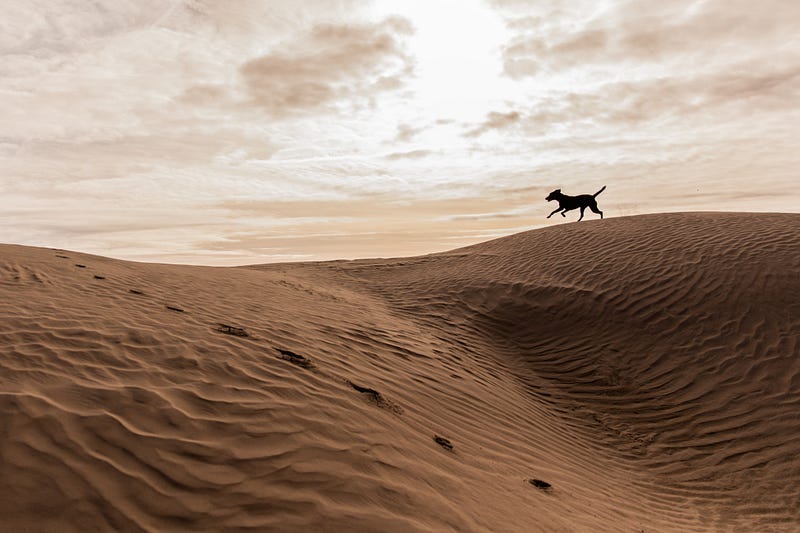
The poem "Big Spaces" delves into the author's emotional journey through various natural landscapes, including the ocean, desert, mountains, and sky. Each stanza describes a different environment and the corresponding sensations and emotions it evokes. The author expresses a sense of smallness against the backdrop of nature's immensity, yet this contrast paradoxically amplifies the feeling of being alive. The experiences of sailing, diving, getting lost, climbing, soaring, and stargazing are all metaphors for life's adventures, which culminate in a return to the warmth and love of home and family. The poem concludes with a humble acknowledgment of the gift of each day, inviting readers to reflect on their own experiences and the beauty of the world around them.
Opinions
- The author finds a profound sense of aliveness in the vastness of nature, suggesting that the enormity of the natural world can make personal experiences more intense and meaningful.
- There is a recurring theme of contrasts: the cold expanse of the ocean and desert versus the warmth of land and familiar faces, the solitude of adventure versus the joy of returning to loved ones.
- The poem conveys a deep appreciation for the simple yet profound pleasures of life, such as breathing fresh air, feeling the warmth of the sun, and hearing the laughter of children.
- The author implies that the act of exploring and challenging oneself in the outdoors leads to a greater sense of gratitude and fulfillment.
- The mention of children's laughter and the theme of returning home suggest that family and community are central to the author's sense of well-being and happiness.
- The closing lines express a humble thankfulness for existence, indicating the author's philosophical stance that each day is a precious gift to be cherished.