
Bible Study Guide Day 040: Exodus 30–32
Anoint Aaron and his sons and consecrate them so they may serve me as priests.
Exodus 30:30
Previous Day 039: Exodus 28–29
Exodus 30
The Altar of Incense
As we continue our study in the book of Exodus, we come to a section that focuses on the instructions for building the altar of incense. This altar was an important piece of furniture in the tabernacle and played a significant role in the worship practices of the Israelites.
The Lord gave specific instructions regarding the materials, dimensions, and placement of this altar. It was to be made of acacia wood and overlaid with pure gold. It was also to have horns on each corner, symbolizing strength and power.
The altar of incense was placed directly in front of the curtain that separated the holy place from the Most Holy Place. This placement emphasized the importance of prayer and worship in approaching God’s presence.
Atonement Money
In this chapter, we also see the Lord commanding Moses to take a census of the Israelites and collect a half shekel of silver as atonement money from each person. This was not only used for maintaining the tabernacle but also served as a reminder that everyone is in need of forgiveness and redemption.
This atonement money foreshadows the ultimate sacrifice of Jesus on the cross, where He paid the ultimate price for our sins. It is a reminder that we are all equal in our need for salvation and that it is only through Jesus that we can be reconciled to God.
Basin for Washing
The chapter also mentions the construction of a basin for washing, to be used by the priests before entering the holy place. This cleansing ritual symbolized the need for purity and holiness in approaching God.
Just as the priests had to wash themselves before entering God’s presence, we too must come to Him with clean hearts and minds. This speaks to the importance of repentance and confessing our sins before approaching God in prayer.
Anointing Oil
We also see the Lord giving instructions for making a special anointing oil to be used in the tabernacle. This was not to be replicated for personal use, but reserved solely for worship and consecration.
This serves as a reminder that our worship should be set apart and holy, not something common or casual. We are called to approach God with reverence and awe, recognizing His holiness and majesty.
Incense
The chapter ends with instructions for making a special incense to be burned on the altar. This fragrant offering was symbolic of the prayers of the people rising up to God’s throne.
Just as the smoke from the burning incense filled the tabernacle, our prayers should continuously rise up to God, filling His presence with our praises and petitions.
Exodus 31
Bezalel and Oholiab
In this chapter, we see the Lord appointing two men, Bezalel and Oholiab, as skilled craftsmen to oversee the construction of the tabernacle. These men were filled with God’s Spirit and given wisdom, understanding, and knowledge to complete the intricate work.
This highlights the importance of using our talents and skills for God’s glory. He equips us with everything we need to serve Him, and when we use our gifts for His purposes, great things can be accomplished.
The Sabbath
The Lord also emphasizes the importance of keeping the Sabbath holy by resting on the seventh day. This was to be a sign of the covenant between God and His people, a reminder that they were set apart for Him.
In our busy lives, it can be tempting to neglect rest and prioritize work or other activities. But taking time to rest in God’s presence is essential for our spiritual well-being. It allows us to refresh and refocus on Him, remembering that He is the source of our strength and provision.
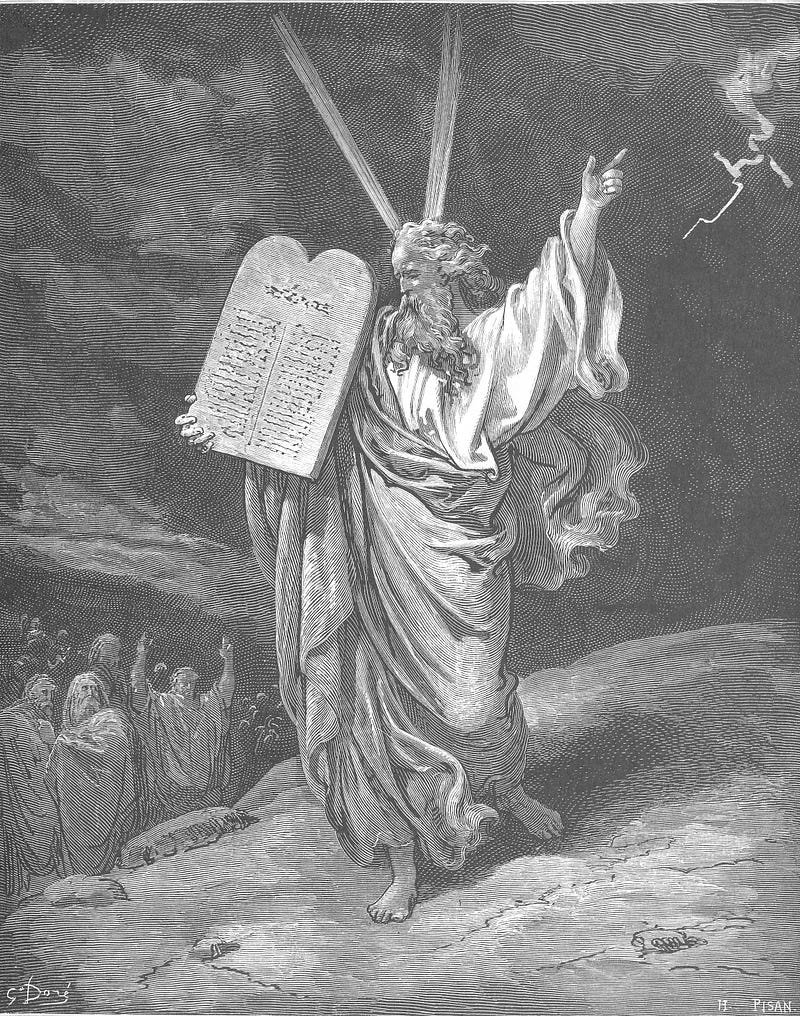
The Lord also gives Moses the two tablets containing the Ten Commandments, which serve as the foundation of His covenant with Israel. These commandments were not meant to be a burden but a guide for living in relationship with God and others.
As we reflect on these commandments, let us remember that Jesus came to fulfill the law and offer us freedom from its condemnation. But this does not negate the importance of living a life that honors and follows God’s commands.
Exodus 32
The Golden Calf
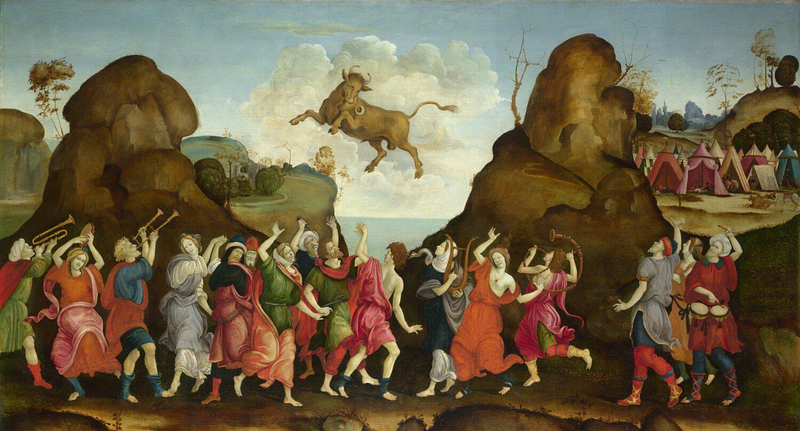
Unfortunately, as Moses is receiving these instructions from God, the Israelites are busy disobeying them. They appeal to Aaron to make them a god to worship, and he instructs them take off their gold jewelry and creates a golden calf for them.
Aaron then builds an altar and declares a feast to the Lord. The next day, the people offer sacrifices and engage in revelry, completely disregarding the commandments God had just given them.
This act of idolatry is a blatant disregard for God’s commands and a betrayal of their covenant with Him. It reveals the fickleness and faithlessness of their hearts, as they quickly turn away from the one true God who had delivered them from Egypt.
Meanwhile, up on the mountain, God tells Moses of their rebellion and plans to destroy them. But Moses intercedes on behalf of the people, reminding God of His covenant promises and pleading for mercy. This is a powerful example of an intercessor standing in the gap for others and a foreshadow of Jesus’ role as our ultimate mediator between us and God.
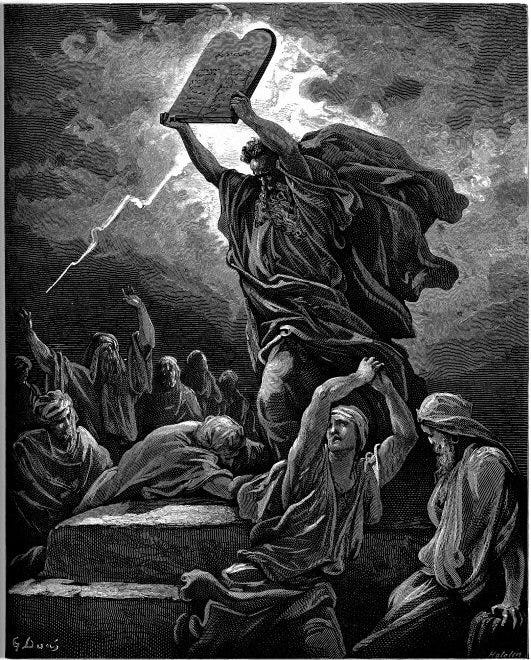
When Moses and Joshua go down the mountain with the two tablets, Moses sees the people’s idolatrous behavior and becomes angry. He throws down the tablets, breaking them in his righteous anger.
He takes the golden calf, grinds it into powder, and makes the Israelites drink it. This may seem like an extreme reaction, but it demonstrates how seriously God views idolatry and disobedience.
After seeing that Aaron was complicit in the golden calf incident, Moses calls for those who are on the Lord’s side to come to him. The Levites step forward and are commanded to go throughout the camp and put to death anyone involved in idol worship.
The next day, Moses goes back to God and intercedes for the people once again. He boldly asks God to forgive their sin or blot him out of His book instead. God promises to punish those who sinned, but also tells Moses that the day of punishment is yet to come. This serves as a reminder that God’s justice and mercy are always at work, and His timing is perfect.


