
Beyond the Tower. The Damsel’s Evolution in Film
Discover how the damsel in distress archetype shapes storytelling in movies and films. History, types, and cultural impacts.
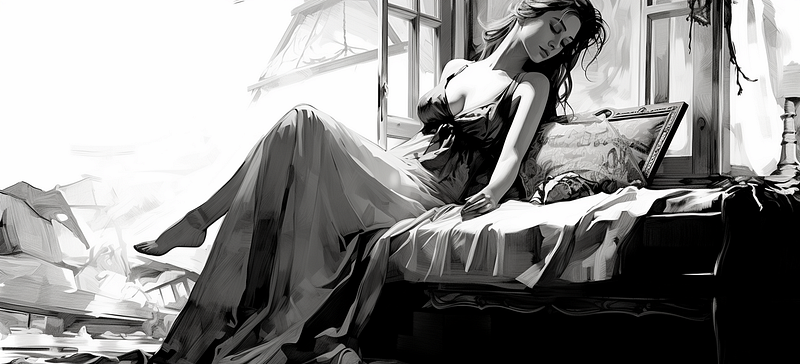
This theme has danced through the annals of storytelling, embedding itself deeply into our cinematic experiences. But what exactly makes a damsel in distress? And how has this archetype evolved from ancient myths to modern movies?

The Birth of a Damsel
The concept of the damsel in distress is as old as storytelling itself, with its roots tangled in the rich soil of ancient myths and legends. One of the earliest examples can be found in Greek mythology with the story of Andromeda. According to the myth, Andromeda, the daughter of an Ethiopian king, is chained to a rock as a sacrifice to appease a sea monster. She represents the quintessential damsel: innocent, beautiful, and utterly helpless, awaiting rescue by the hero Perseus. This tale, resonating through centuries, highlights the damsel’s role not just as a victim but as a catalyst for heroic deeds, underscoring the societal values of bravery and valor.
The damsel in distress reflects societal values and conflicts, serving as a mirror to our deepest fears and highest hopes.
In another part of the world, the medieval legend of Saint George and the Dragon tells a similar story. A town terrorized by a dragon is forced to sacrifice its maidens until the princess is chosen as the next offering. Saint George’s timely intervention not only saves the princess but also liberates the town from its plight. This narrative, woven into the cultural fabric of medieval society, exemplifies the damsel in distress as a symbol of purity and community, whose rescue often symbolizes the restoration of peace and order. Both of these examples showcase the damsel in distress not merely as a figure of vulnerability but as a central figure in narratives that define heroism and morality.

Traits of an Age-Old Archetype
Typically, she embodies innocence, beauty, and vulnerability — qualities that summon the hero’s courage and compassion. But it’s not just about waiting for rescue; it’s about symbolizing the societal values and conflicts of the time. This archetype serves as a mirror, reflecting our deepest fears and highest hopes.
- Innocence: The damsel typically embodies purity and naivety, often unaware of the dangers that surround her.
- Beauty: She is frequently depicted as strikingly beautiful, making her both a desirable and vulnerable target.
- Vulnerability: The damsel is often placed in situations of peril or distress, needing rescue from external threats.
- Passivity: Traditionally, she has limited agency in her situation, relying on others (usually a male hero) for salvation.
- Compassion: Despite her troubles, the damsel often displays kindness and empathy, endearing her to other characters and the audience.
- Moral High Ground: She usually maintains a sense of righteousness and moral clarity, even in the face of danger.
- Symbolism: The damsel often represents something greater than herself, such as purity, peace, or the well-being of a community.
Diverse Damsels. The Evolution Across Reels
The portrayal of the damsel in distress archetype in cinema has evolved significantly over time, reflecting shifts in societal attitudes towards gender roles and individual agency. This evolution can be categorized into various types, each representing different facets of the archetype as it has been adapted and reinterpreted through the decades.
The Classic Captive
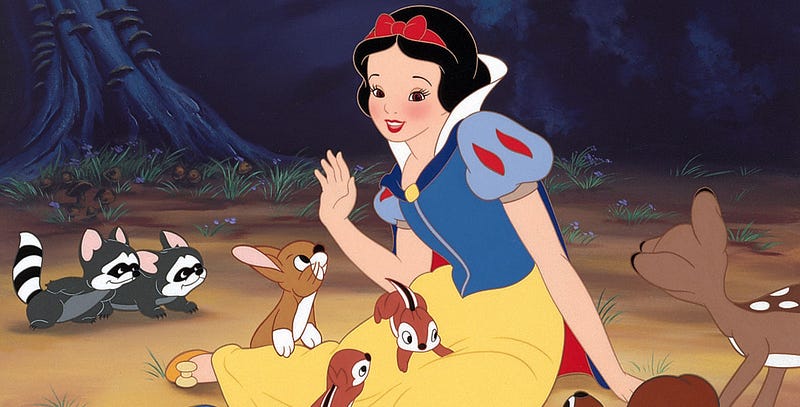
This is the traditional form of the damsel in distress, found in early cinema and fairy tales. She is typically beautiful, passive, and awaits rescue by a male hero. Snow White in Disney’s “Snow White and the Seven Dwarfs,” where the protagonist is put into a death-like sleep and awaits revival by a prince’s kiss.
The Romantic Ideal
In this variation, the damsel’s plight is intertwined with a love story. Her rescue often symbolizes the triumph of love. Rose in “Titanic,” who, while not strictly captive, is trapped in an oppressive societal and personal situation, from which Jack helps her escape.
The Modern Maiden
This updated version of the damsel shows her with more agency and involvement in her rescue. While she may still be in distress, she plays an active role in her liberation. Leia Organa in “Star Wars,” who, despite being captured, demonstrates intelligence, wit, and resilience, actively participating in her own rescue.
The Warrior Damsel
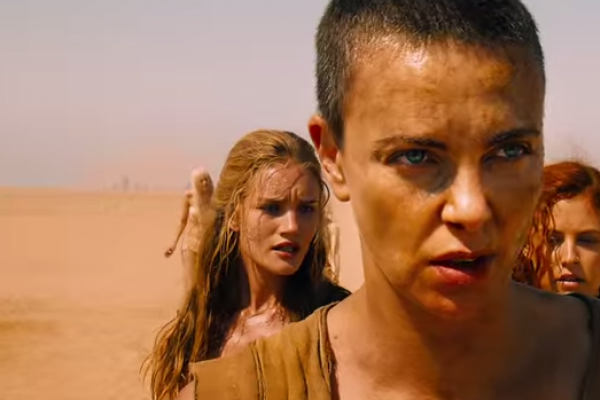
A more recent development, this type blends the damsel in distress with the warrior archetype. She may find herself in peril but is capable of fighting back and may even rescue the hero. Furiosa in “Mad Max: Fury Road,” who is on a mission to save a group of women and ultimately becomes the rescuer rather than the rescued.
The Subverted Damsel
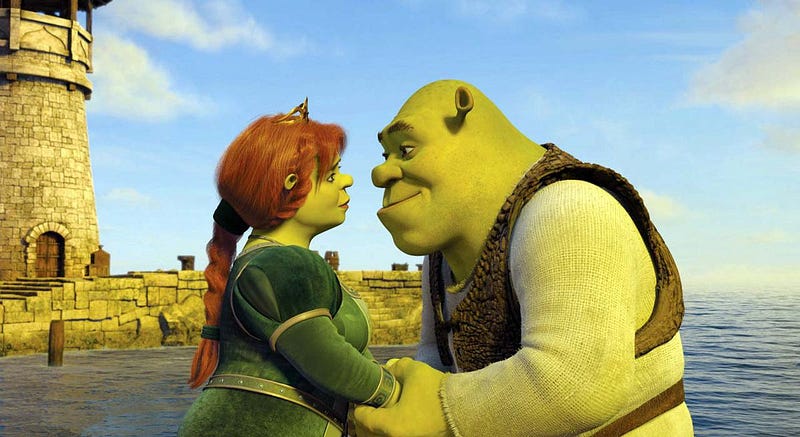
This contemporary interpretation turns the traditional archetype on its head, often using the damsel in distress setup only to subvert expectations. The damsel may start in a position of vulnerability but reveals herself to be the hero of her own story. Shrek’s Princess Fiona, who seems to be a classic damsel awaiting rescue but is later revealed to be a skilled martial artist and capable of saving herself and others.
Through these evolving portrayals, the damsel in distress archetype has transformed from a symbol of purity and passivity to a more nuanced character reflecting modern values of independence and equality. This evolution mirrors broader cultural shifts and demonstrates the enduring flexibility and appeal of storytelling archetypes in reflecting human experiences and aspirations.
A Tale as Old as Time
The damsel in distress archetype has been a staple of cinematic storytelling, offering audiences a glimpse into the evolving dynamics of heroism, vulnerability, and societal expectations. From the silent film era’s melodramatic perils to today’s complex narratives, the damsel’s journey encapsulates a universal theme — the struggle between adversity and liberation. Historically, this archetype served as a canvas, reflecting the zeitgeist’s attitudes toward gender roles.
Early films often portrayed damsels as delicate figures, mere pawns in the broader strokes of male-centric tales, epitomizing the cultural norms of passivity and decorum expected of women. These characters, while seemingly one-dimensional, played crucial roles in setting the stage for dramatic rescues, embodying purity and innocence that needed safeguarding, thus reinforcing the traditional narrative of male heroism.
From the Classic Captive to the Modern Maiden, each damsel archetype sheds light on evolving societal norms and audience expectations
As time marched on, the cinematic damsel began to shed her chains, both literal and metaphorical. The advent of stronger, more independent female leads marked a significant shift in the archetype’s portrayal, mirroring society’s evolving views on gender equality and individual agency. This transformation is evident in films that challenge the traditional damsel narrative, presenting women who are not just waiting to be rescued but are active participants in their own stories. These modern renditions explore the multifaceted nature of strength and vulnerability, allowing the damsel to be both a fighter and a figure of grace, thereby enriching the narrative with deeper, more relatable human experiences.
The evolution from a mere plot device to a complex character signifies a broader cultural shift, underscoring the power of storytelling in shaping and reflecting societal values and progress.
The Resonance of Rescue. Why We Still Love These Stories
The enduring allure of the rescue narrative, epitomized by the damsel in distress archetype, taps into a universal human longing for heroism, compassion, and triumph over adversity. Despite evolving societal norms and the diversification of character roles, these stories continue to resonate deeply with audiences worldwide. They embody the quintessential struggle between good and evil, reflecting our own life challenges and the hope for salvation in various forms. This timeless theme appeals to our innate desire for protection and moral clarity, providing a comforting escape and a reaffirmation of the values we aspire to uphold.
Moreover, the act of rescue in these narratives speaks to the fundamental human experiences of vulnerability and strength, love and sacrifice, reminding us that, in the end, we are all seeking our own form of rescue, whether from external dangers or internal conflicts.
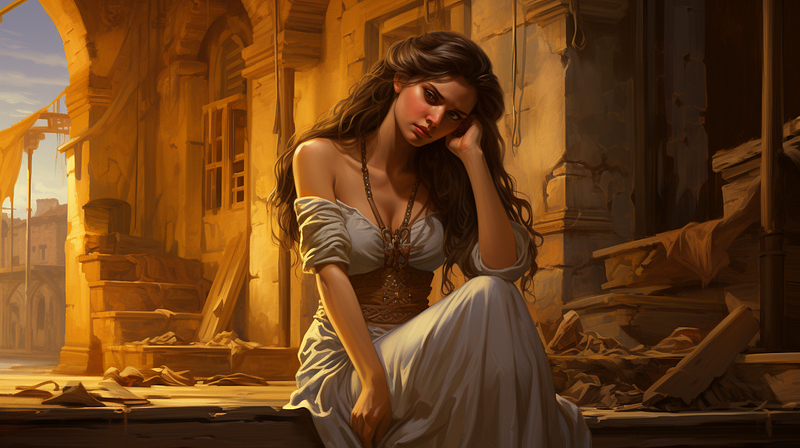
The damsel in distress archetype has journeyed from the shadowed depths of ancient myths to the luminous screens of modern cinemas, evolving yet remaining steadfast in its appeal. But what does this transformation tell us about our own societal shifts? Do we still need these rescue stories, or have they become relics of a bygone era? I invite you to share your thoughts and experiences. How do you perceive the damsel in distress in today’s storytelling landscape? Are there particular films or characters that have challenged or reaffirmed your views on this classic archetype? Join the conversation below and let’s unravel the continuing saga of the damsel in distress together.
Thank you for joining me on this enlightening journey through the world of movies, films, archetypes, and the art of storytelling. Your insights and reflections are always welcome here.
If you enjoyed this deep dive into the world of Archetypes in cinema, I invite you to join me on a broader journey through my series of articles. Together, we’ll explore a multitude of other fascinating archetypes that shape characters and narratives in movies
If you enjoyed this article, please remember to give it a clap x 50, comment, highlight and follow me. Your comments are eagerly awaited!
Let’s drink a coffee together!

Your support is crucial in helping me continue to craft engaging content for the future. You mean a lot to me. Thank you so much!