
The Silent Struggle in Beauty Ads
Beyond the Surface: The Unspoken Battle with Acne in Advertising
The Unspoken Battle with Acne in Advertising
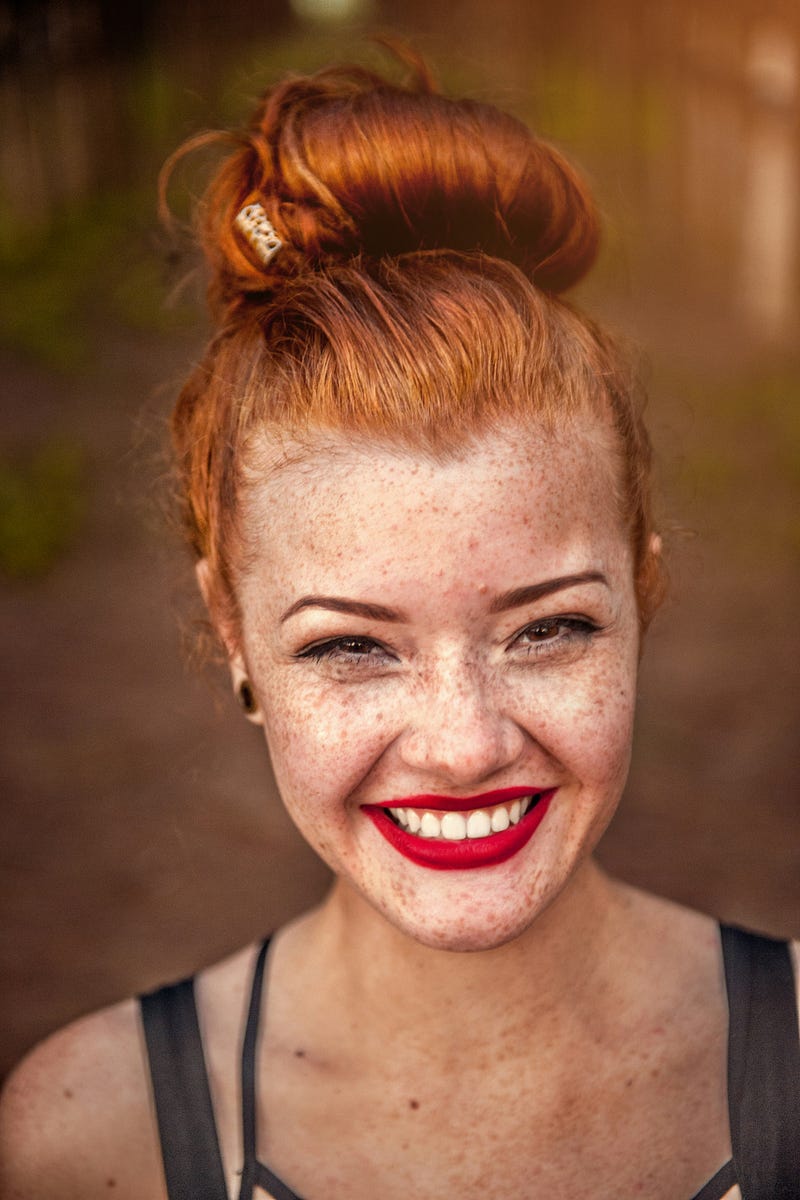
In a world where physical appearance often takes center stage, it’s essential to confront the glaring absence of acne representation in beauty and skincare advertising. Acne, a widespread and relatable skin condition affecting millions, remains conspicuously missing from the carefully curated images of flawless beauty that flood our screens and glossy magazines. To fully comprehend the significance of this issue, let’s embark on a profound exploration of acne’s portrayal and unearth the nuanced ways in which the beauty industry has skirted around this authentic depiction.
Acne, colloquially referred to as pimples or zits, is a condition that nearly everyone encounters at some point in their lives. Despite its ubiquity, the exclusion of acne sufferers from skincare commercials and fashion spreads sends a powerful message: if you have acne, you don’t align with the beauty ideals we promote. This exclusion can inflict emotional wounds, particularly on young individuals who are navigating the complex terrain of self-esteem and self-acceptance.
One might naturally wonder: why do advertisers persist in avoiding acne representation? After all, acne transcends age, gender, and background. The answer lies in the delicate balance between profit and perception. The beauty industry thrives on selling the dream of perfection, and advertisers fear that showcasing acne might discourage potential customers. However, this approach is increasingly at odds with the evolving beauty landscape.
In recent years, there has been a seismic shift towards authenticity and inclusivity in advertising. Brands are progressively recognizing the power of embracing real people with genuine skin issues. While this transition is heartening, there is still a considerable journey ahead.
Featuring individuals with acne in advertising is more than just representation; it’s about empowerment. Such depictions send a potent message: acne is a natural part of life, it doesn’t define a person’s worth, and there are products that can help manage it. Furthermore, it allows those grappling with acne to see themselves represented, validating their experiences and struggles.
Moreover, incorporating real people with acne in ads provides a breath of fresh air amid the over-edited, airbrushed images that have dominated the industry for too long. Authenticity is magnetic, and consumers are increasingly drawn to brands that keep it real. By embracing acne in their marketing, companies can establish deeper connections with their audience.
Yet, it’s not solely about representation; it’s also about how acne is portrayed and discussed. Far too often, acne is stigmatized or sensationalized. It becomes a punchline in comedies or is exploited for shock value on reality shows. These practices not only perpetuate negative stereotypes but also trivialize a legitimate skin condition that can have a profound impact on a person’s life.
An intriguing phenomenon that has emerged in the age of the internet is the fascination with pimple-popping videos. These videos may initially appear grotesque or even masochistic, but they’ve become a source of comfort and connection for many. They offer a glimpse into the reality of dealing with acne and create a sense of community among those who share this experience.
Handled responsibly and professionally, pimple-popping videos can demystify acne and provide valuable information on how to manage it. They can also serve as a form of catharsis, allowing viewers to vicariously experience the relief that comes from seeing a pimple being popped. While these videos may not be everyone’s cup of tea, they undeniably offer a unique way for people to connect and find solace in their shared experiences.
In conclusion, the absence of acne in advertisements for acne products is a missed opportunity for the beauty industry. It perpetuates unrealistic beauty standards, reinforces stigma, and misses the chance to connect with consumers on a deeper level. Embracing authenticity and inclusivity by featuring real people with acne can empower individuals, challenge stereotypes, and ultimately benefit both consumers and brands.
* Personal note
The time has come for the beauty industry to recognize that imperfections are not something to be hidden but celebrated. Acne is a part of life for many, and it deserves its rightful place in the world of advertising, free from shame or sensationalism. As we continue our journey toward authenticity and acceptance, let’s remember that true beauty lies not in perfection but in the courage to be ourselves, flaws and all. In doing so, we’ll not only change the face of beauty advertising but also change the way we perceive ourselves and others, ultimately paving the way for a more inclusive and accepting beauty industry. It’s time to unveil the unseen and embrace the beauty in authenticity.
Follow me on Medium;
Connect with me on social media:
Twitter: https://twitter.com/TaiwoOyebamiji7
You can purchase some of my books on Amazon as well as on Kobo through the links below:
https://author.amazon.com/books
amazon.com/author/charlie_james
You can also purchase your trending women’s outfits on my website through this link: https://trendvixen.company.site/products. Also on Redbubble, you can purchase my T-shirt collections here: https://rb.gy/c4lic8.
Join the journey of wearing art and expressing your unique style with my T-shirt collections.
One more thing: You can order these freelance gig services I offer on Comeup: ghostwriting, speechwriting, blog posts, copywriting, content writing, product descriptions, etc. through the following link:
Important note: If you enjoyed this article, please leave as many claps (highlights and comments) as possible (full 50 claps), so I know what you enjoy reading the most.
Thank you for your support!