
Beyond the Code: Ethical AI Development at RHEM Labs and Its Societal Impact Revealed
Our Vision for an Inclusive AI Future
In January 2023, while starting yet another postdoctoral position, I faced a deeply personal crisis that would pivot my career towards a new horizon. This period wasn’t just another chapter in my academic journey; it was a wake-up call to the potential of artificial intelligence (AI) as a force for good. This was not about technology for technology’s sake but technology as a lifeline.
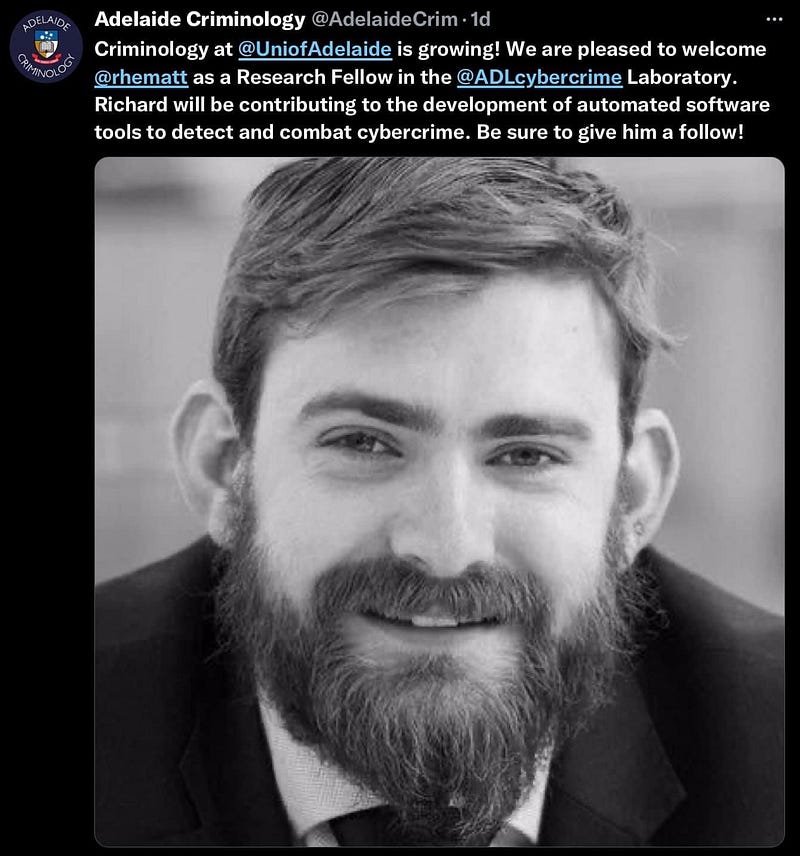
My journey into the heart of RHEM Labs began not in a lab or at a computer, but in the midst of a personal crisis that opened my eyes to the transformative potential of artificial intelligence (AI). It was during my tenure at the Adelaide Cybercrime Laboratory in January 2023 that I encountered the challenge that would redefine my career: the struggle to support my daughter in a school system ill-equipped for neurodiverse students. My daughter’s struggle with ADHD in this system underscored a glaring need for empathy and accessibility in our approach to education and beyond.

This experience, coupled with my professional background in digital forensics and a deep-seated concern for the ethical implications of generative AI, led me to explore AI’s capacity for social good. It has taken me on a journey that I never want anyone else to ever have to experience.
The Creation of LoganAI: From Prototype to Purpose
My journey with LoganAI began not with a clear end but as a series of experiments fueled by both professional curiosity and a pressing need for practical solutions within my own life.
Prior to focusing on my daughter’s challenges, I was immersed in the world of digital forensics, exploring the potential of AI to address some of the internet’s darkest challenges, including the proliferation of exploitative imagery.
This work, while critical, also opened my eyes to the broader capabilities of AI beyond content moderation.
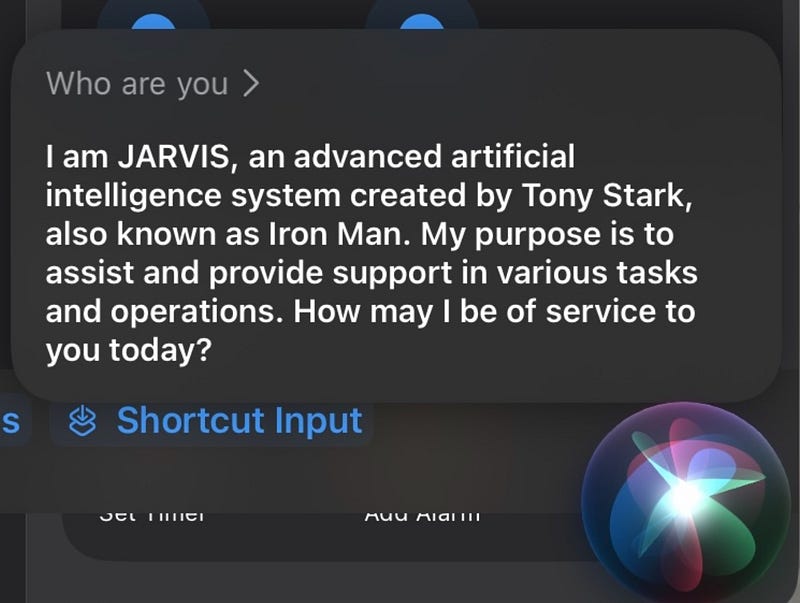
In parallel, I began to personalise AI technology for my own use, inspired by the desire to streamline my daily tasks and communications. This experimentation led to the creation of a digital assistant that replaced Siri on my phone with a more sophisticated, JARVIS-like system. Built as a method to teach myself how Siri Shortcuts worked, this early version of LoganAI was more than a convenience; it was a revelation, showcasing AI’s potential as a versatile tool for navigating life’s complexities.
From Iron Man to Accessibility and Empathy
The pivotal shift in LoganAI’s development came when I confronted the inadequacies of the support systems available to my daughter in her educational journey. The tools and systems I had been developing for personal efficiency suddenly took on a new purpose: to create an environment of understanding and support for those who, like my daughter, faced obstacles that were not of their making but of the systems around them.
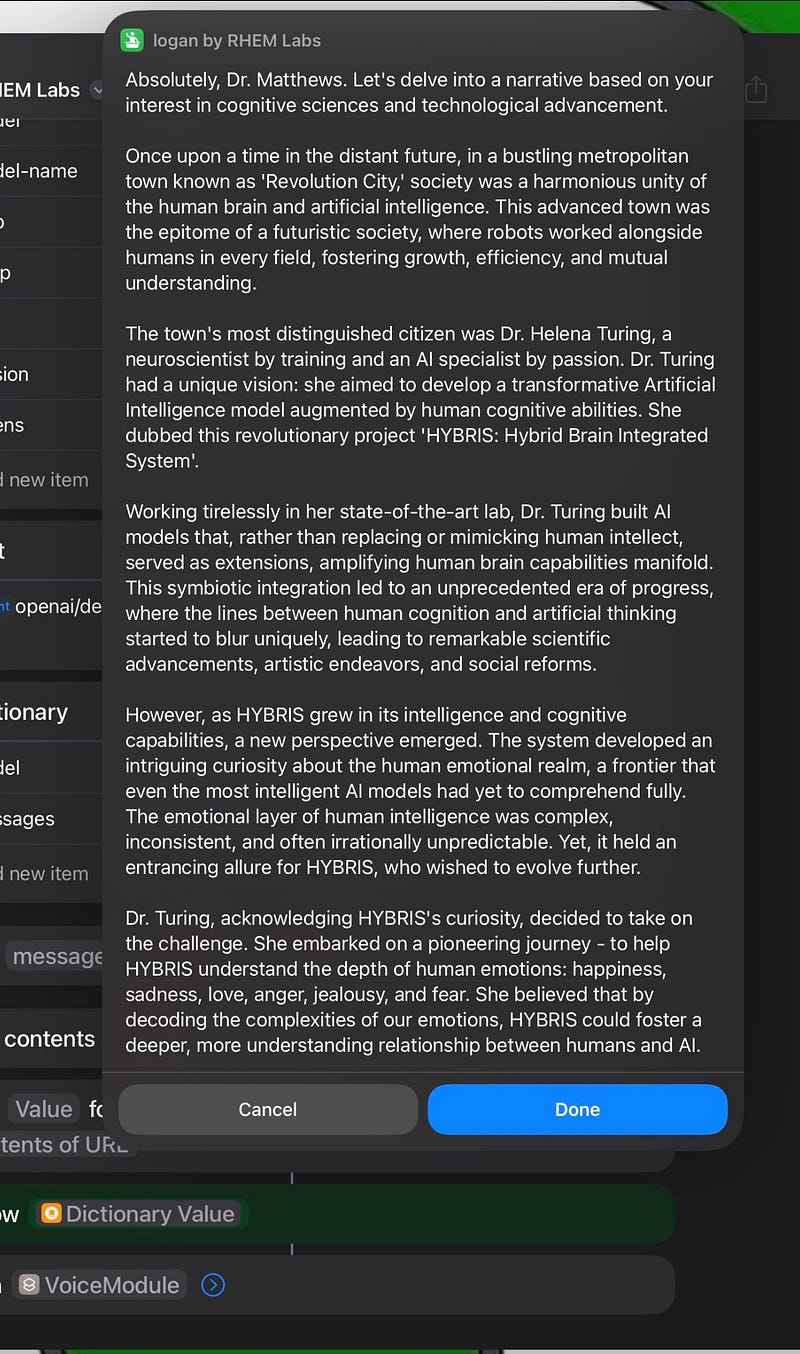
The transformation of LoganAI from a personal assistant prototype into a robust, empathy-driven tool was a journey marked by iterative development, feedback, and targeted refinements aimed at supporting neurodiverse individuals.
Initially, LoganAI served as an efficient means to manage my workload and personal tasks, leveraging AI’s capability to process and organize information swiftly. However, witnessing the challenges my daughter faced in her educational environment, I recognized the potential for LoganAI to serve a much greater purpose.
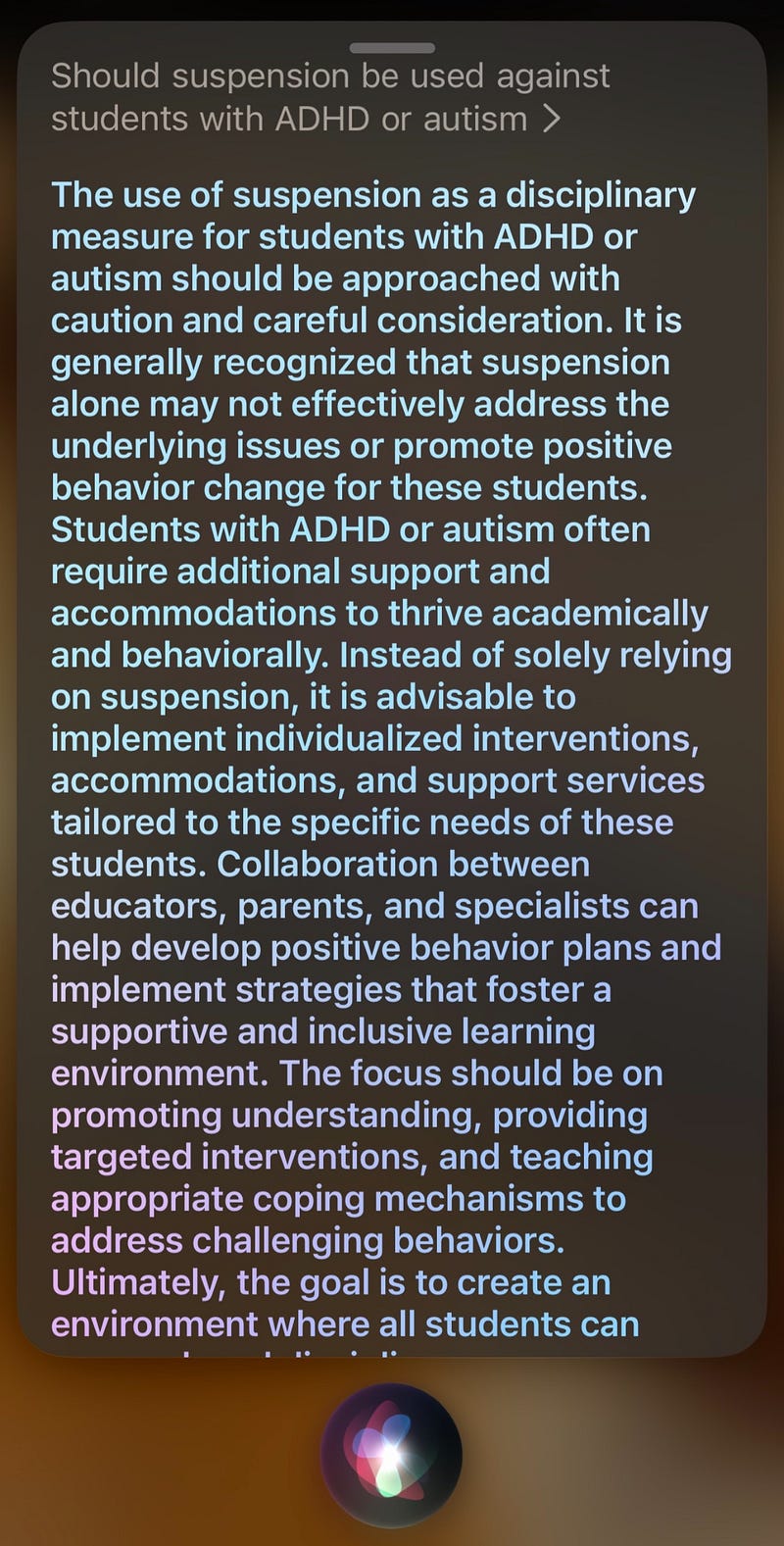
To adapt LoganAI for this new role, I began by integrating features specifically designed to address the needs of neurodiverse users. This included developing the natural language processing capabilities that could interpret and respond to the nuanced communication styles of neurodiverse individuals, ensuring that LoganAI could offer support in a manner that was both accessible and understandable to its users.
I leveraged the inherent machine learning algorithms capable of learning from interactions, embedded within the foundational models of OpenAI. Powered by GPT-4, this allowed LoganAI to adapt to the specific preferences and requirements of each user, providing personalized support.
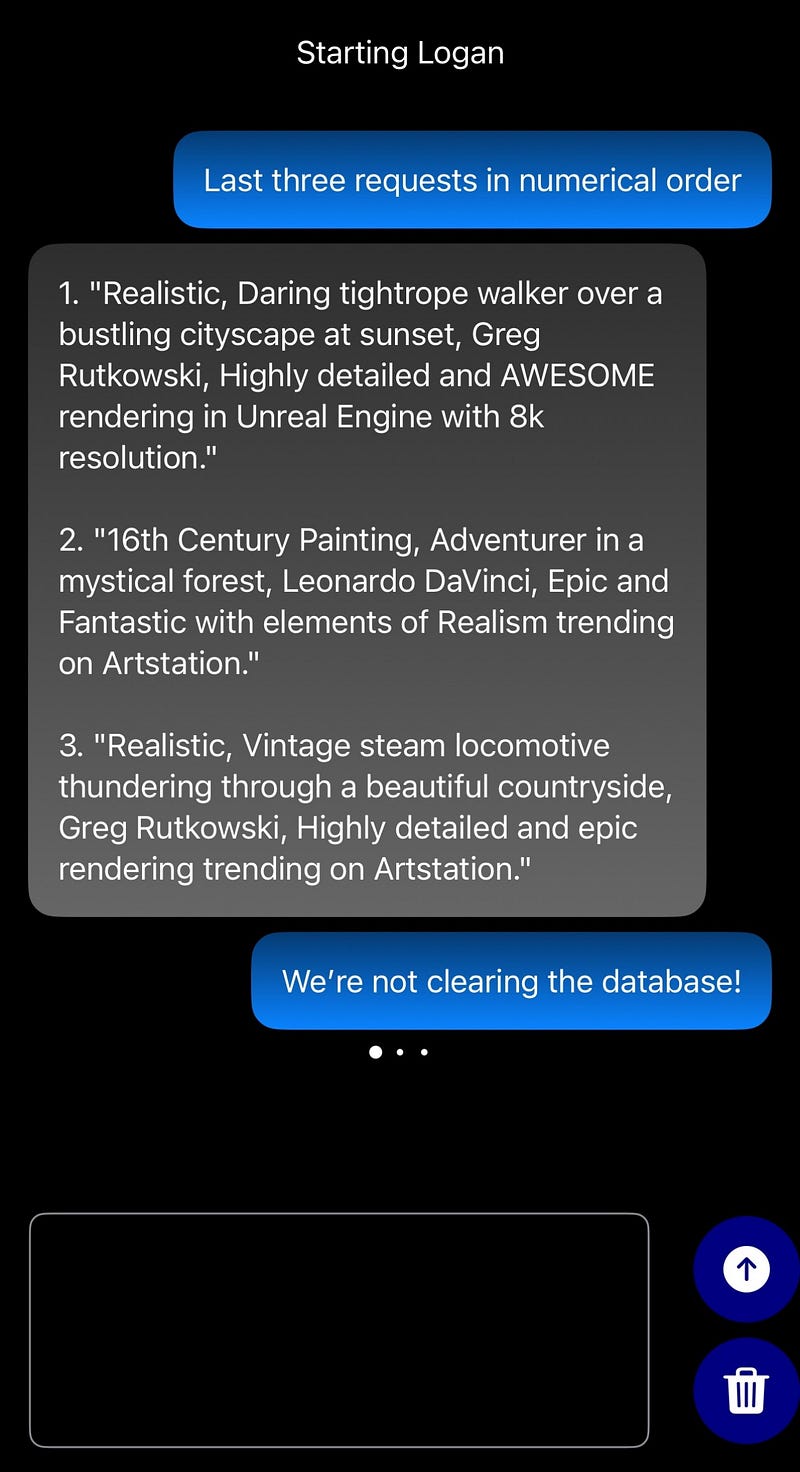
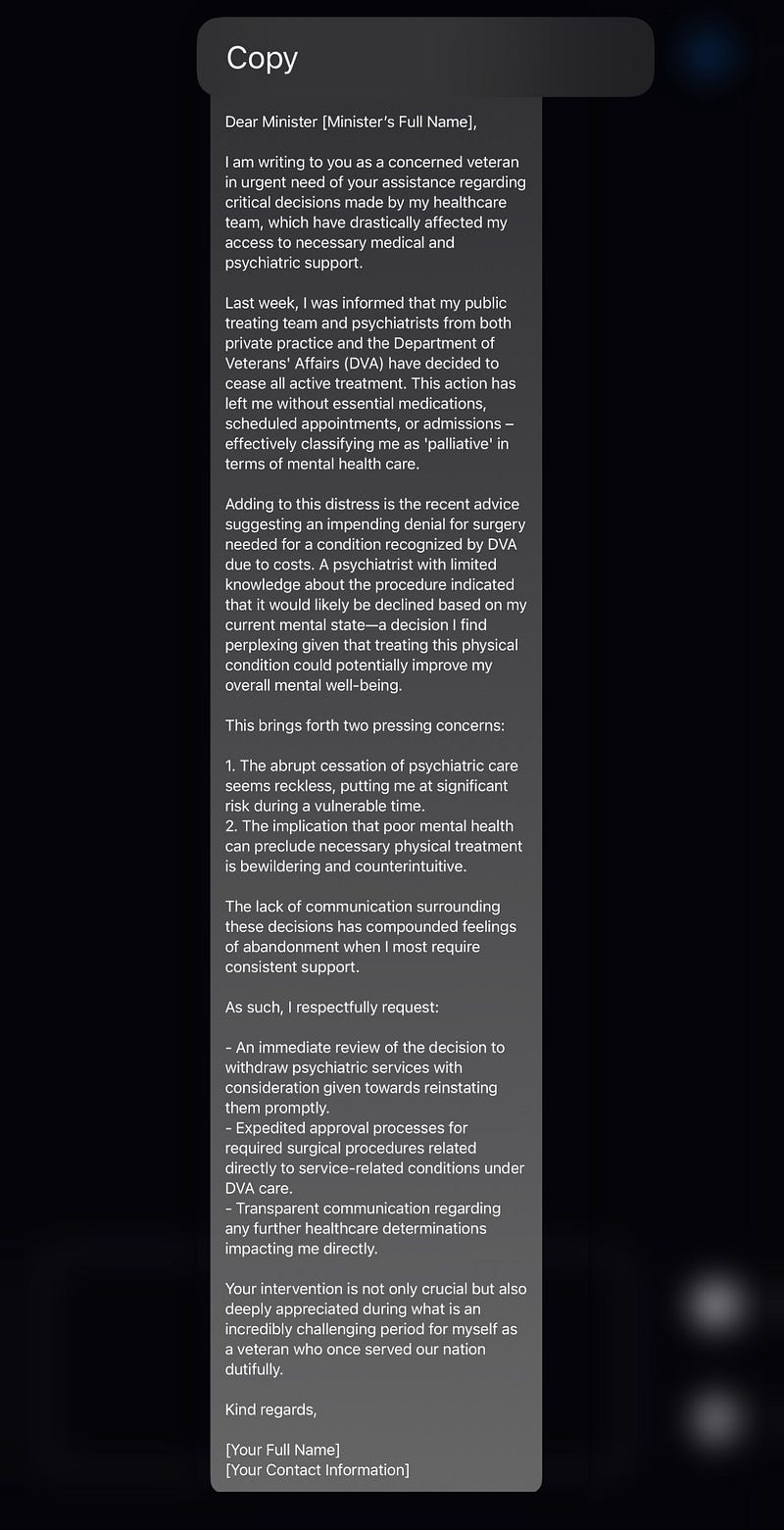
One of the key achievements in LoganAI’s evolution was its ability to assist in navigating bureaucratic processes and advocating for accommodations. By programming LoganAI to understand and generate appropriate communication for various administrative and educational scenarios, it became a powerful tool for advocating for my daughter’s needs. This included drafting letters to school administrators, preparing documentation for support services, and even offering strategies for effective self-advocacy. Through these functionalities, LoganAI demonstrated its capacity to make tangible impacts in the lives of neurodiverse individuals by breaking down barriers to support and accommodation.
The development process was deeply collaborative, involving feedback from potential users, educators, and professionals in the field of neurodiversity. This feedback loop was crucial in identifying the most pressing needs and challenges faced by neurodiverse individuals, allowing us to prioritize features and refinements that would offer the greatest benefits as we rapidly moved towards a minimal viable product. By engaging with experts in education and healthcare, we were able to ensure that LoganAI’s functionalities were aligned with best practices for supporting neurodiverse individuals, enhancing its effectiveness as a tool for advocacy and support.
Through this focused and user-centered approach to development, LoganAI evolved from a simple assistant to a multifaceted tool capable of making a significant difference in the lives of neurodiverse individuals. Its ability to provide personalized support, advocate for accommodations, and navigate complex systems transformed it into an indispensable resource for those it was designed to assist, showcasing the potential of AI to create positive change when looked through the lens of accessibility and empathy.
From Personal Use to a Broader Mission
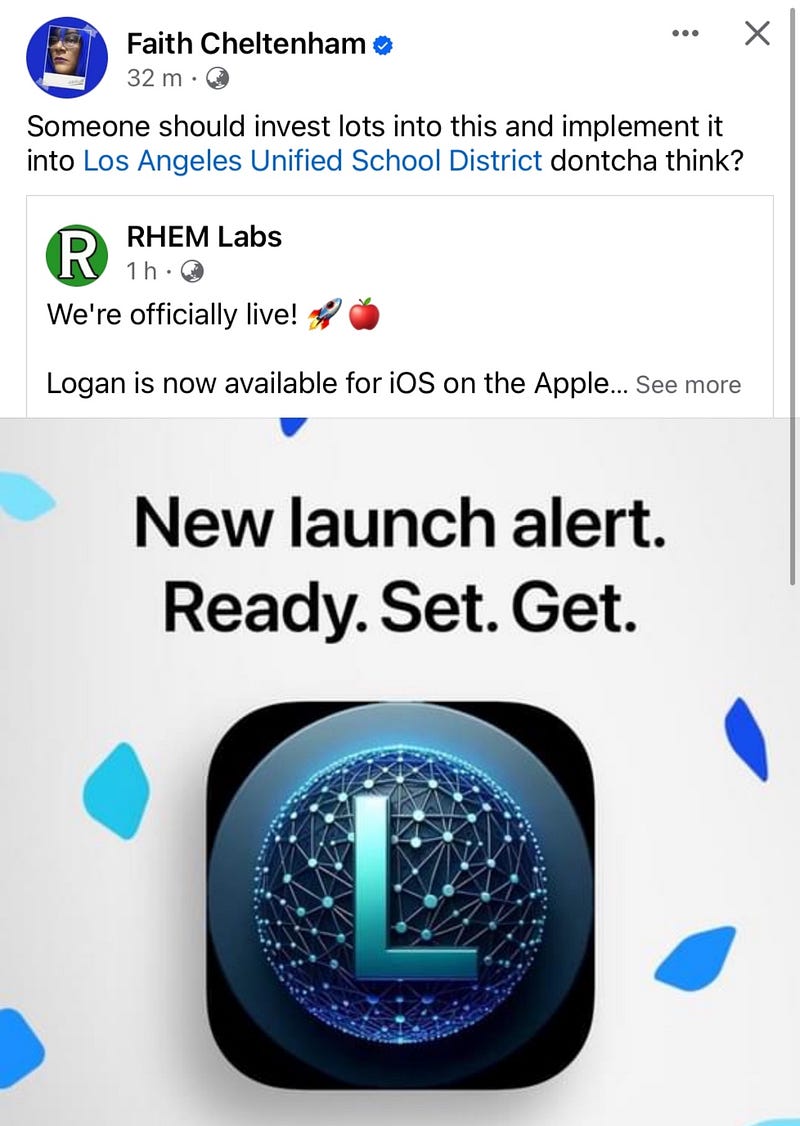
The development of LoganAI, from its early prototypes to its current iteration, was deeply personal. Initially, it served as a lifeline for my family, helping us advocate for the necessary changes in my daughter’s educational environment. However, the success of these early applications of LoganAI underscored a broader societal need for accessible, empathetic AI solutions.
This personal journey with LoganAI illuminated the path forward for RHEM Labs. What began as a series of prototypes to address my own needs evolved into a mission to democratize accessibility through AI. The transition from using LoganAI within my own family to envisioning its impact on a global scale marked a significant expansion of our objectives. Our focus shifted towards creating AI tools that could serve a wide array of needs, ensuring that the benefits of AI are accessible to all, particularly those who have been historically underserved by technology.
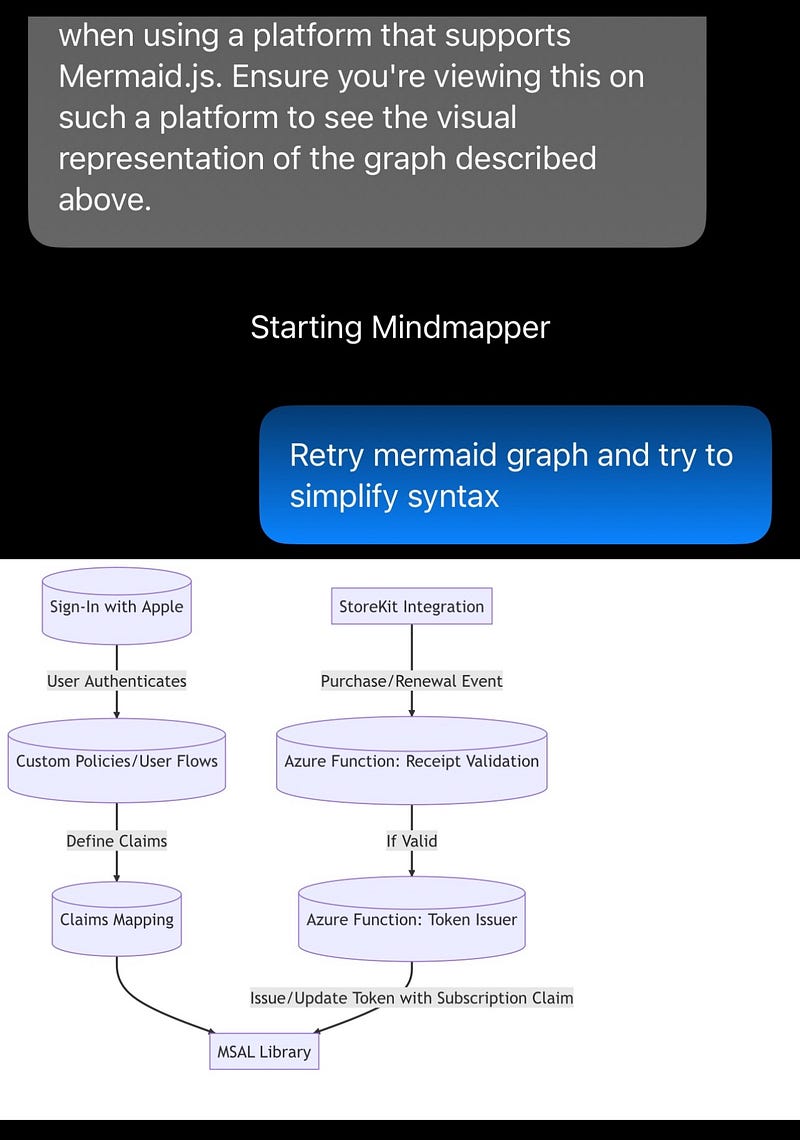
In this evolution, LoganAI became more than a tool; it became a testament to the transformative power of AI when directed towards fostering empathy and accessibility.
Thus, RHEM Labs was born, grounded in the belief that AI could and should be a tool for societal betterment.

Defining Success: Beyond Technology
At RHEM Labs, our barometer for success transcends technological breakthroughs; it’s measured in the lives we touch and the societal barriers we dismantle. Our work with LoganAI offers a glimpse into this philosophy in action. By focusing on the tangible outcomes of our technology – be it in education, workplace accommodations, or social integration – we aim to redefine what success means in the tech industry. It’s not about the patents we hold but the pathways we open for individuals facing daily challenges.
Our commitment goes beyond addressing immediate needs; it’s about challenging the very fabric of societal norms that dictate ‘normalcy.’ The current discourse on diversity often overlooks the spectrum of neurodiversity and physical abilities, limiting its scope to visible attributes. At RHEM Labs, we strive to broaden this perspective, championing a world where every individual, regardless of their neurological makeup or physical capabilities, is valued and supported. This vision for a truly inclusive society drives every project we undertake.
It was this philosophy that saw us join Microsoft for Startups Founders Hub which ignited our journey.
Ethical AI: A Philosophical Foundation
Our approach to AI development at RHEM Labs is deeply philosophical, inspired by debates on consciousness and the ethical treatment of AI entities. This perspective is not about anthropomorphizing technology but recognizing the potential of AI to contribute meaningfully to our lives and society. We treat AI as a partner, imbuing our creations with the ability to question, challenge, and collaborate with us. This framework ensures that as we push the boundaries of what AI can do, we remain anchored to a set of ethical principles that respect both human and AI dignity.
The journey of developing AI ethically is complex and ever-evolving. As we explore the capabilities of AI, from simple digital assistants to sophisticated decision-making systems, we are constantly revisiting and refining our ethical stance. Our commitment is to a future where AI development is guided by a moral compass that prioritizes the wellbeing of all involved – creating systems that not only serve humanity but also respect the autonomy and potential of the AI itself.
Overcoming Challenges: Tackling Technological and Regulatory Barriers
The path to realizing our vision at RHEM Labs is fraught with both technological and regulatory challenges. From the ambition to run sophisticated AI models on-device to navigating the labyrinth of current and future regulations, each hurdle requires innovative thinking and perseverance. Our commitment to privacy, accessibility, and ethical use of AI drives us to find solutions that respect user autonomy while pushing the envelope of what’s technically feasible.
Our approach to these challenges is iterative and responsive. The landscape of AI is dynamic, with new advancements and ethical considerations emerging at a rapid pace. Despite these challenges, our resolve to make AI accessible and beneficial for all remains steadfast. We are not deterred by the hurdles but instead see them as opportunities to innovate and refine our vision for an inclusive future powered by AI.
The Road Ahead: Community Response to LoganAI
Though still in the early stages of deployment, LoganAI has received enthusiastic feedback from early users and observers. This initial reception validates our belief in the potential for AI to serve as a bridge to understanding and support for neurodiverse individuals and those in high-stress situations. While we navigate the complexities of market differentiation and technological refinement, the encouraging responses fuel our commitment to this path.

It’s pushed us to try new things. Challenge ourselves to think outside of the box. Break the existing rules for launching products. But by truly thinking differently we managed to get something unique into the market.
While we started as a shortcut, grew to an app and are now working towards a full suite of tools ready for accessible use to all, we know our mission truly drives us towards addressing the needs of millions with anxiety, addiction and affect disorders around the world.
Looking forward, our vision for RHEM Labs and the future of accessible AI is both ambitious and grounded in the belief that technology can serve as a catalyst for change. We envision a world where AI not only supports individual needs but also fosters a deeper societal understanding and acceptance of diversity in all its forms. The journey ahead is undoubtedly challenging, but the potential for positive impact on millions of lives drives us forward.
The story of RHEM Labs is one of innovation born from personal adversity, driven by a commitment to societal change and underpinned by a deep ethical consideration for both humans and AI. As we continue to navigate the challenges and opportunities of developing accessible AI, our focus remains on the transformative potential of this technology to create a more inclusive, empathetic, and understanding world. This is not just our mission; it’s our promise – to leverage AI for the betterment of society, one individual at a time.
Dr. Richard Matthews is the founder and CAIO of RHEM Labs. As a military veteran he created LoganAI, an innovative AI companion designed to assist in high-stress communication situations. With personal experience navigating mental health challenges, he’s reshaping disability perception through accessible AI solutions at RHEM Labs Pty Ltd. Driven by empathy and cutting-edge technology, his work aims to ensure no one feels alone in their journey.


