
Beyond the Black Eyeliner — Emo Unveiled: Understanding the Psyche and Aesthetics of a Subculture
“I’m not sure which is worse: intense feeling, or the absence of it.” — Margaret Atwood, The Blind Assassin
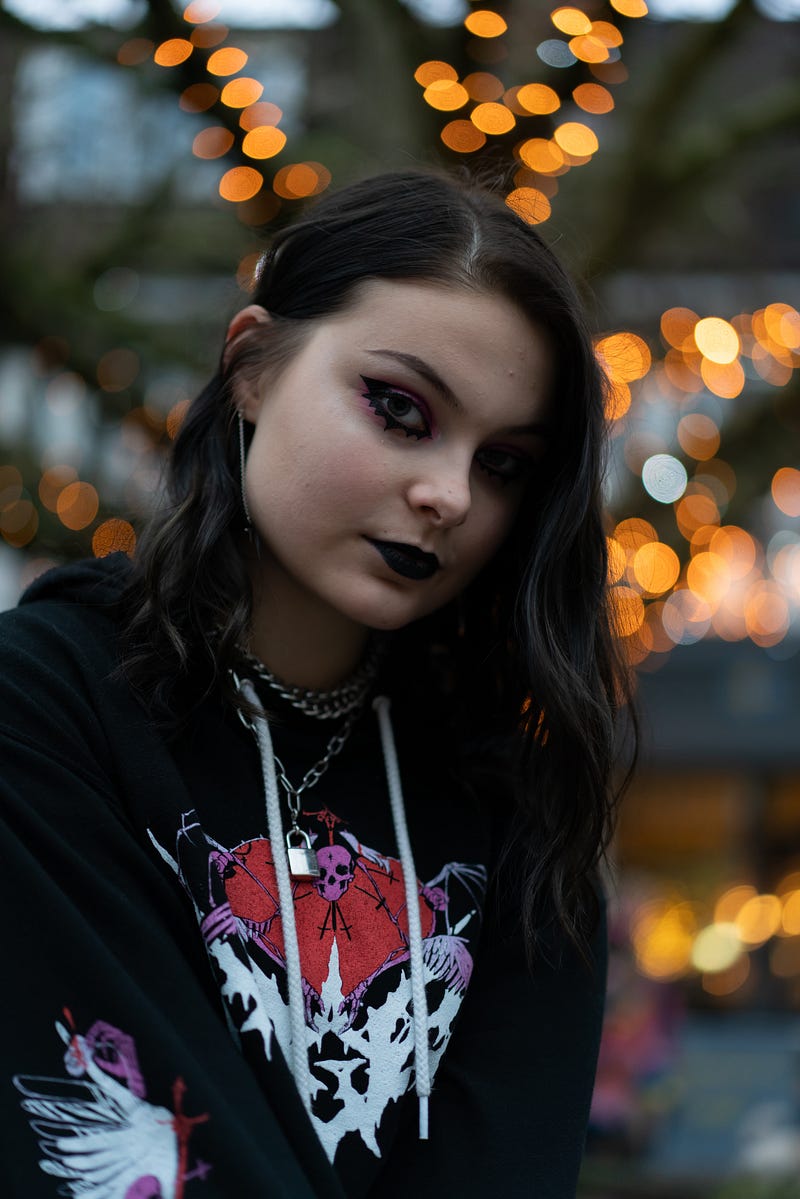
The “emo” subculture, characterized by its emphasis on emotional expression and introspection, emerged prominently in the early 2000s, influencing music, fashion, and the psyche of its young adherents. The term “emo” is derived from the word “emotional,” and it has its roots in the emotive hardcore punk of the 1980s (Bennett, 1999). In understanding the psychology of “emo kids,” it is vital to explore the socio-cultural context, emotional challenges, and cognitive development that characterize this group.
Historical and Socio-Cultural Context
The emo movement can be traced back to the 1980s hardcore punk scene, which gradually evolved into a more melodic and emotionally charged musical genre. By the early 2000s, bands like My Chemical Romance, Fall Out Boy, and Paramore became synonymous with the emo identity. However, music was only one aspect. Fashion — characterized by skinny jeans, band t-shirts, and particular hairstyles — played a crucial role in distinguishing emo kids from their peers (Phillipov, 2012). This visual distinction also made them vulnerable to stereotypes, misinterpretations, and at times, derision from mainstream society.
Emo was not only a musical or fashion statement but an entire subcultural movement that enabled young people to express their feelings and challenges openly. In a way, the emo subculture offered an alternative space for adolescents who felt isolated or misunderstood by mainstream society, acting as a refuge and a source of community.
“I’d forgotten how much feelings hurt.” — Elizabeth Scott, Living Dead Girl
The Aesthetics of Emo
The aesthetics of emo is not just confined to its musical style but extends to its visual representation, fashion, and overall subcultural ambiance. The emo aesthetic is deeply intertwined with the subculture’s emphasis on emotion, individuality, and introspection.
Fashion: The emo fashion sense stands out distinctly, often characterized by:
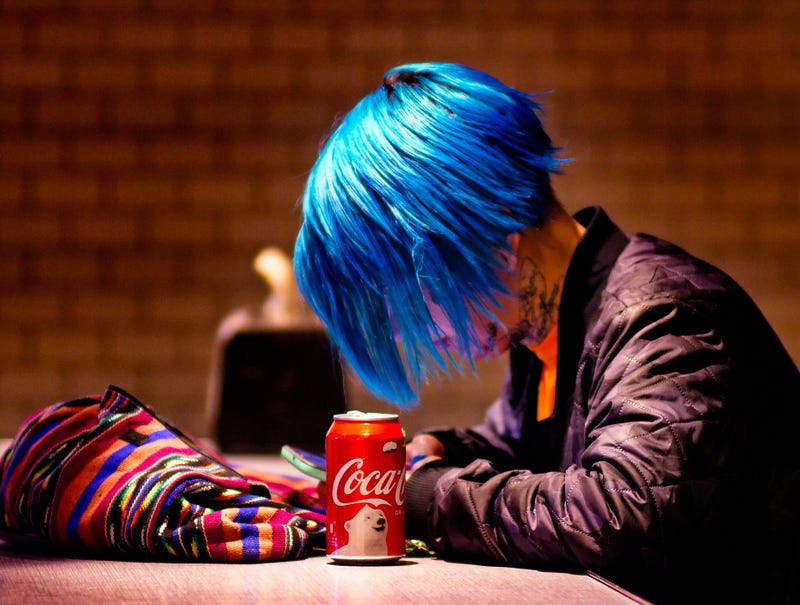
- Hair: Black or dark-colored hair was iconic, often with streaks of vibrant colors such as pink, purple, or red. The “emo fringe,” where hair is swept to one side covering an eye, became synonymous with the style.
- Clothing: Skinny jeans, band t-shirts, studded belts, and Converse or Vans sneakers were staples. Layering was common, often involving button-up shirts, hoodies, or vests.
- Accessories: Emo fashion incorporated a lot of accessories like wristbands, beanies, and layered necklaces. Piercings, especially the lip or eyebrow piercing, were popular.
Makeup:
- Eyes: Emo makeup, especially for women, emphasized the eyes. This involved heavy eyeliner, often with a winged or smudged look, and dark eyeshadows.
- Lips: While the focus was primarily on the eyes, lips often were kept neutral or sometimes adorned with dark shades, echoing the gothic influence. 3. Tattoos and Body Art: Emo culture embraced tattoos, often of symbols, lyrics, or images that had personal or emotional significance. Common themes included hearts, stars, and other motifs that conveyed sentiments of love, loss, or passion.
Visual Art and Graphics:
The emo aesthetic extended to visual arts like album covers, posters, and digital art. These often employed dark, moody colors, hand-drawn sketches, and typography that evoked raw emotion. Themes of melancholy, romance, and introspection were recurrent.
Digital Presence:
With the rise of the internet, the emo aesthetic found a significant presence on platforms like MySpace, LiveJournal, and later, Tumblr. These platforms allowed users to customize their profiles with emo-themed backgrounds, GIFs, and quote graphics. The emo online presence was a blend of moody visuals, song lyrics, poetry, and personal reflections. (Mortara & Ironico, 2013).
In essence, the emo aesthetic was not just about looking a particular way but about wearing one’s emotions on one’s sleeve — literally and figuratively. The clothes, makeup, and art associated with emo were mediums of self-expression. They offered an external representation of the internal emotional landscape, providing emo kids a tangible way to navigate and communicate their complex feelings in a world that often misunderstood them.
The Five Subgenres of Emo
Diving deeper into the emo subculture, one discovers a vast and varied spectrum of musical expressions. Like any robust musical genre, emo too has sprouted various subgenres, each with its distinct sound, influences, and aesthetics. Here are five notable subgenres of emo:
Emotive Hardcore (Emo-core): This is where it all began. Originating from the punk rock scene of the 1980s in Washington, D.C., emotive hardcore was characterized by its more expressive and introspective lyrical content (Greenwald, 2003). Bands like Rites of Spring and Embrace eschewed the aggressive posturing of traditional punk, choosing instead to delve into raw emotional territory, thereby laying the foundation for what would become “emo.”
Midwest Emo: The 1990s saw the evolution of emo into a more melodic and intricate sound, especially in the Midwest. This subgenre, often characterized by its intricate guitar work and confessional lyrics, produced bands like American Football, The Promise Ring, and Sunny Day Real Estate. Their sound was more expansive and often included elements of indie rock.
Screamo: Deriving from the emotive hardcore of the 1990s, screamo incorporated intense vocal techniques, such as screaming and shouting, juxtaposed with more melodic segments. The dynamic contrast between loud and soft segments within songs was a hallmark. Bands like Saetia, Pg. 99, and Orchid typified this subgenre.
Pop Emo (or Emo Pop): By the early to mid-2000s, emo started making significant inroads into mainstream culture. Emo Pop blends the emotive lyrics of traditional emo with the catchy hooks of pop music. Fall Out Boy, Panic! At The Disco, and Paramore are prime examples of this subgenre. Their sound was more polished and radio-friendly, contributing to the wider acceptance (and commercialization) of emo culture.
Post-Emo Indie Rock (or Emo Revival): In the 2010s, a resurgence of the emo sound emerged, with bands drawing inspiration from the genre’s early and mid-period styles. This “emo revival” was more aligned with indie rock aesthetics but retained the emotional vulnerability and authenticity that defined emo. Modern Baseball, The World Is a Beautiful Place & I Am No Longer Afraid to Die, and Sorority Noise are some bands associated with this movement. Each of these subgenres offers a unique lens into the emo culture, reflecting its evolution, diversification, and lasting impact on the music industry and its fans.
“We know too much, and feel too little.” — Bertrand Russell, Authority and the Individual
Emotional Challenges and Expression
Adolescence is a tumultuous period marked by significant changes, exploration of self-identity, and heightened emotional experiences (Steinberg, 2005). The emo subculture was, in part, a response to these challenges. For many emo kids, their involvement was an avenue for expressing feelings of alienation, heartbreak, and disenchantment with the adult world. Lyrics from popular emo bands often touch upon themes of personal struggle, love, and existential angst.
While some critics dismissed the emotional outpourings of emo music as inauthentic or overly dramatic, research suggests that for many adolescents, music becomes an important tool for emotional regulation and identity formation (Larson & Lampman-Petraitis, 1989). The emo genre, with its deeply emotive lyrics and compositions, could provide solace to its listeners by making them feel understood and less alone in their emotional turmoil.
Understanding and Addressing Misconceptions
A significant challenge for many within the emo subculture was facing misunderstandings and stigmatizations. There were misconceptions that linked the emo identity to self-harm, depression, or even suicidal ideation. While emotional struggles were a prominent theme in emo music and culture, it’s an oversimplification to assume that all emo kids were mentally ill or at risk (Best, Manktelow, & Taylor, 2014). The danger of such misconceptions is that they can exacerbate feelings of isolation and misunderstanding for those within the subculture. Moreover, it is essential to distinguish between the emotive lyrics of a song and the lived experience of its listeners. While music can be a form of catharsis and expression, assuming a direct link between lyrical content and personal behavior can be misleading.
Understanding the psychology of emo kids requires understanding the broader socio-cultural context and the unique challenges faced by this group. The emo subculture offered a sense of belonging and an avenue for emotional expression for many adolescents. To engage empathetically with emo kids, it’s vital to see past the stereotypes, appreciating the depth and complexity of their experiences.
References
Bennett, A. (1999). Subcultures or neo-tribes? Rethinking the relationship between youth, style and musical taste. Sociology, 33(3), 599–617.
Best, P., Manktelow, R., & Taylor, B. (2014). Online communication, social media and adolescent wellbeing: A systematic narrative review. Children and Youth Services Review, 41, 27–36.
Greenwald, A. (2003). Nothing feels good: Punk rock, teenagers, and emo. St. Martin’s Griffin.
Larson, R., & Lampman-Petraitis, C. (1989). Daily emotional states as reported by children and adolescents. Child Development, 60(5), 1250–1260.
Mortara, A., & Ironico, S. (2013). Deconstructing Emo lifestyle and aesthetics: a netnographic research. Young Consumers, 14(4), 351–359.
Phillipov, M. (2012). Death metal and music criticism: Analysis at the limits. Lexington Books.
Steinberg, L. (2022). Adolescence (13th ed). McGraw-Hill.