
Beyond Earth: Programming Languages For the Space
The Code That Powers Space Missions
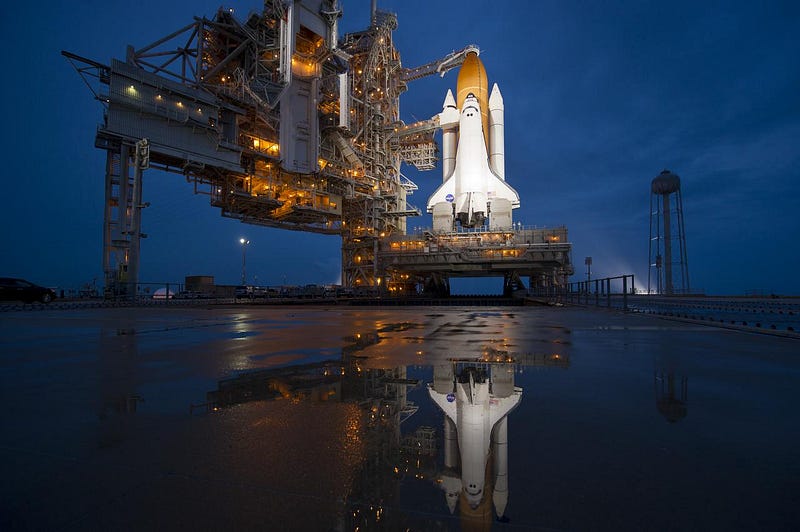
What programming languages are used in space and why?
We may imagine complex mathematical equations and cutting-edge technologies when we think of space exploration. However, at the heart of every space mission lies the code that controls the spacecraft, its sensors, and its instruments. This post will explore some of the programming languages used in space and why they were chosen.
C
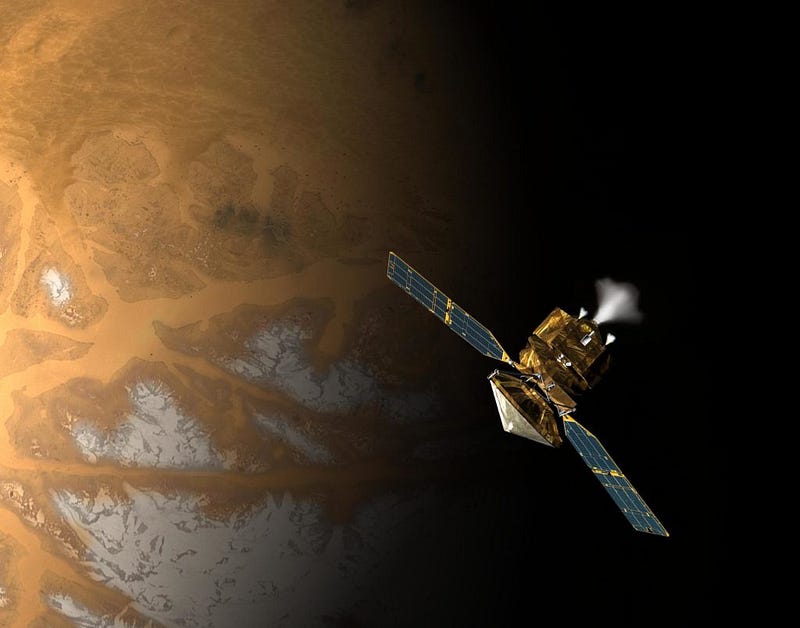
C is a low-level programming language widely used in the aerospace industry. It is fast and efficient, making it a good choice for space applications where computing resources are limited. Additionally, C is highly portable and easily adapted to different hardware platforms.
One example of a space mission that used C is the Mars Reconnaissance Orbiter, launched in 2005. The spacecraft carries a 12.5 MHz RAD6000 computer with 128 MB of memory and 160 MB of flash memory. The computer’s operating system and software were written in C.
Advantages: Fast and efficient, highly portable.
Disadvantages: Can be challenging to learn and prone to errors.
Python
Python is a high-level programming language gaining popularity in the space industry. Its ease of use and flexibility make it an attractive choice for space missions that require complex algorithms and data analysis.
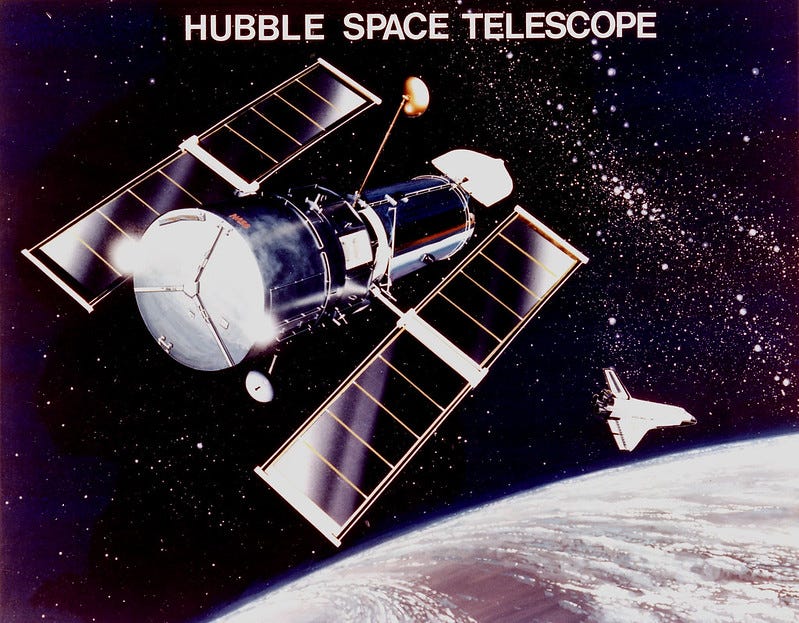
One example of a space mission that used Python is the Hubble Space Telescope. Python is used to control the telescope’s instruments and to process and analyze the data it collects. The telescope’s computer has a 32-bit processor and 1 GB of memory.
Advantages: Easy to learn and use, flexible, and typed.
Disadvantages: Slower than low-level languages like C.
Ada
Ada is a high-level programming language that was explicitly designed for safety-critical applications. It is widely used in aerospace because of its strong typing, modular design, and built-in safety features.
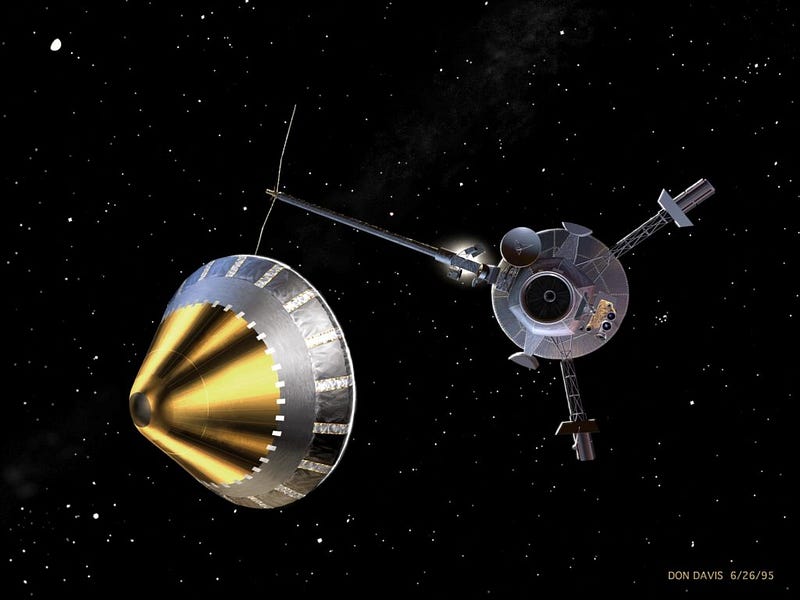
One example of a space mission that used Ada is the Galileo mission to Jupiter (1995). The spacecraft’s computer was based on the BAE Systems RAD750, a radiation-hardened version of the PowerPC 750. The computer had a clock speed of 110 MHz and 128 MB of memory.
Advantages: Built-in safety features, strong typing.
Disadvantages: It can be more challenging to learn than other high-level languages.
I studied Ada in college!
Assembly
Assembly is a low-level programming language rarely used in modern software development. However, it is still widely used in the space industry because it allows for precise control over the hardware.
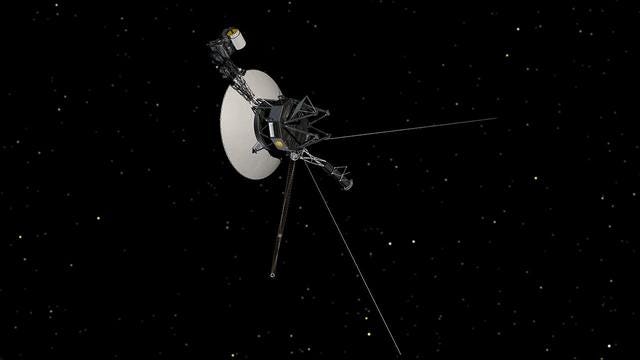
One example of a space mission that used Assembly is the Voyager 1 and Voyager 2 missions (1977). The spacecraft carries a 1.3 MHz processor and 64 KB of memory. The computer’s operating system and software were written in Assembly.
Advantages: Precise control over hardware.
Disadvantages: Difficult to learn and use.
Java
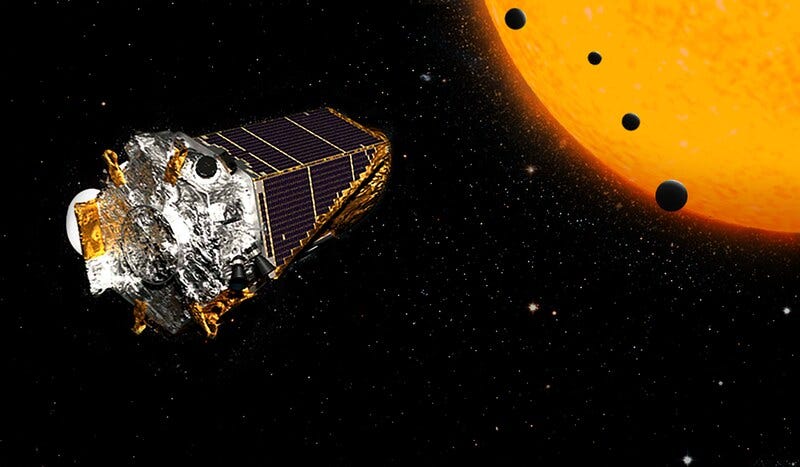
Java is a high-level programming language known for its portability and security. In NASA’s Kepler space telescope mission (2009), Java was used to analyze the data collected. The Kepler telescope had a 1.4 GHz processor and 128 MB of memory.
- Advantages: Portability and security, typed. Widespread and continues to evolve
- Disadvantages: It may be “slower” than other programming languages.
Fortran
Fortran is a high-level programming language used in the aerospace industry since the 1950s. Fortran is especially suitable for numerical and scientific applications. Fortran was used in the Apollo mission (1969) to take humans to the moon. The spacecraft computer had only 2 KB of memory.
Advantages: Optimized for numerical and scientific calculations.
Disadvantages: It may take work to read and maintain.

Rust
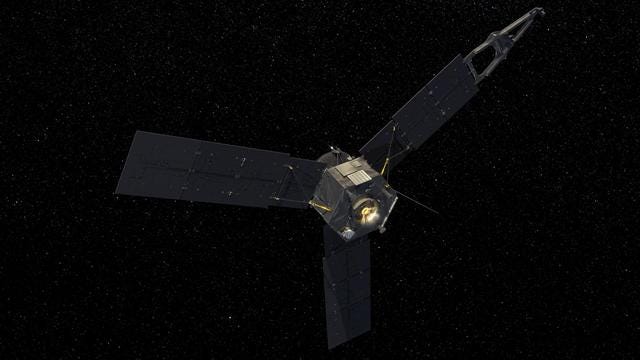
Rust is a relatively new programming language that has become popular in the aerospace industry for its safety and speed. Rust is used in NASA’s Juno spacecraft mission ( 2011), which is orbiting Jupiter to study its atmosphere. The Juno spacecraft has a 200 MHz processor and 128 MB of memory.
Advantages: Safety and speed.
Disadvantages: It may be more challenging to learn than other programming languages.
VHDL
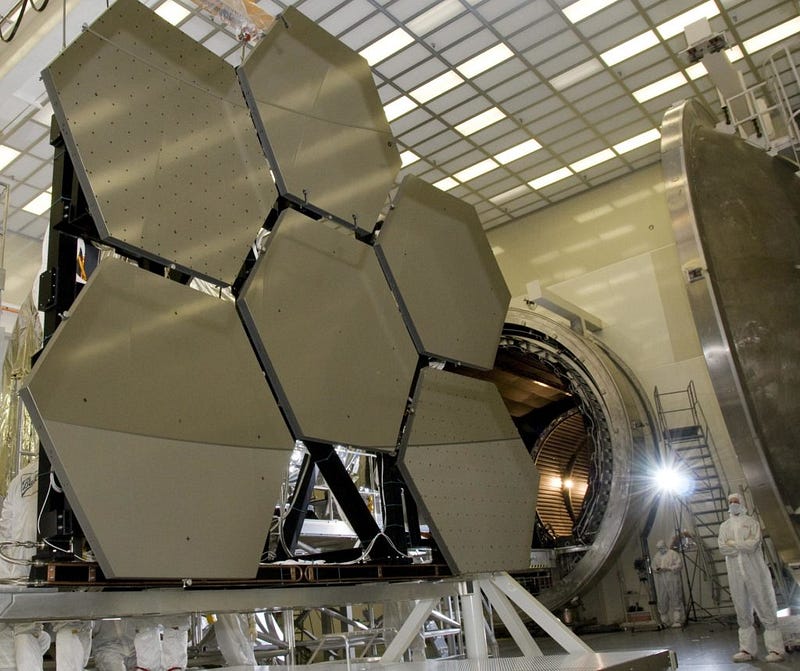
VHDL is a hardware description language used to design and simulate integrated circuits. In NASA’s James Webb Space Telescope mission (2021), VHDL controls its instruments and sensors. The James Webb telescope has a 1.3 GHz processor and 4 GB of memory.
Advantages: Specialized in hardware description.
Disadvantages: It may take work to learn. Need hardware design experience.
Final thoughts
In summary, space is not only the final frontier but also a place where different programming languages compete for supremacy. From the ancient Fortran to the new Rust, each language has its advantages and disadvantages in terms of speed, security, and portability. And while software engineers are experts in their field, they cannot escape fatal programming errors. Remember the famous Y2K bug that affected many computer systems worldwide? There was also a programming error in NASA’s 1999 Mars Climate Orbiter mission that caused the spacecraft to crash into Mars instead of entering its orbit! So, while we admire the achievements of programming in space, let’s also remember that even experts can make mistakes. Never underestimate the power of a small programming error and the importance of the programing language used.
Can you imagine sending a spaceship programmed in javascript? Javascript is a great language, but it is straightforward to make bugs if you are not careful.


