
Beware! Watch Out for the Danger of Bipolar Red Flags
Learn your bipolar warning signs and take action.

I usually write my newsletters a few days before I send them. I’m a subscriber to my list, so that way I can see when the email goes out. On the morning of the broadcast, I usually read it again just to see what I think.
I have to admit, the last one left me a little concerned. While I took time to tell you readers how well I was doing, my opening comments were full of red flags. I described the thousands of words I wrote in the prior week, but then felt compelled to tell everyone it wasn’t mania. Um, what?!!
Seeing my words in type made me step back. What’s going on? I thought. I’d worry if a friend sent me the same message.
Stability is everything when dealing with bipolar disorder. It’s up to you to keep track of where you are. But how do you learn to recognize your red flags? Here are a few things to help.

The Journal Tells All
Writing in a journal every day helps you keep tabs on where you are. It’s a good way to gauge how things are going and how much you’re doing. It’s easy to see if you’re doing too much or not enough. Yes, spending a week binge watching all 18 seasons of Grey’s Anatomy may be fun, but not healthy. (If Grey’s isn’t your thing, Stargate SG-1 or any of the Star Trek series are excellent alternatives. Not that I’m recommending a week of non-stop TV.)
Since I’ve been writing in my journal for decades, I can often tell just by the way my handwriting appears on the page how I was doing mentally. When I’m manic, I space my words further apart and write fewer words on each line. My writing is chaotic with few paragraph breaks and little punctuation. Subjects change often, sometimes in the same sentence.
During depressive episodes, my writing is messy with short sentences and entries. The lines are full of negative words or cold and detached. I also ask more questions when depressed, such as What’s the point? Why bother? Do I care?
Another way that journaling helps is when I realize I haven’t written in my journal for several days. It usually means there’s an internal issue I’m avoiding. Whether it is painful emotions I don’t want to process or the fact I’m unwilling to admit what’s going on in my head, I subconsciously avoid my journal. Extended gaps always point to a red flag.
Use a journal to help you track your progress. Be open and honest with yourself, and then look for trends to see how you’re doing. Pay attention to when you write and how you write. If it’s been a while, ask yourself why.
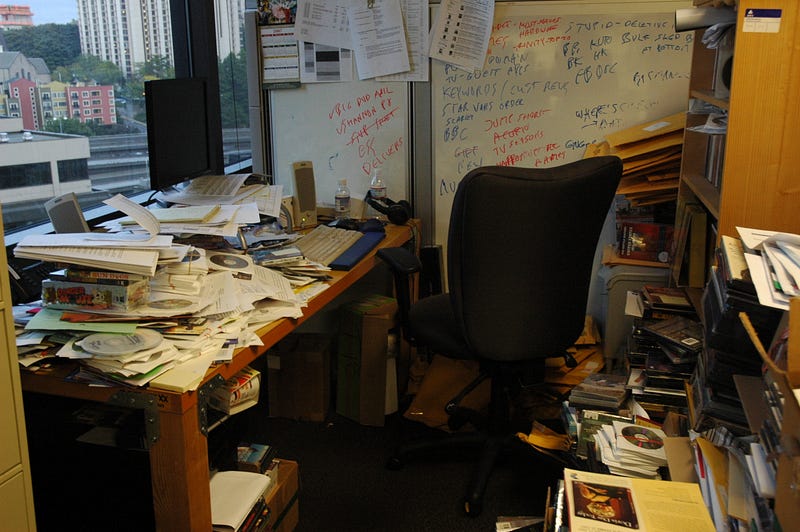
Surroundings Mirror My Mind
The quickest way to tell how I’m doing mentally is to look at my house. If you enter my living room and find dozens of Amazon boxes all over the floor or three weeks of laundry hanging from overflowing baskets, chances are good I’m not doing well mentally.
One of two things is happening. One, either I’m manic and can’t focus long enough to finish a task. Or two, I’m depressed and don’t care if anything gets done. That the vacuum cleaner has been sitting in the middle of the room for a month means nothing to me. It’s just another obstacle in my life I have to walk around.
Look around your house and see what it says about you. If you’re normally a neat person, do you find a lot of clutter building up or projects you started but didn’t finish? On the other hand, if there’s not a speck of dust anywhere and you’re on the bathroom floor cleaning the grout with a toothbrush, that’s also a warning sign.
Strive to keep a clean, organized house, but not excessively so. Then, pay attention to how things look. When you see radical changes, recognize the red flag. It’s time to concentrate on your mental health.

Listen to Family and Friends
Let’s be honest. Most of the time, when we’re telling our friends and family they shouldn’t worry, that’s when they should. I see you nodding with me. Those of us with bipolar disorder are masters at telling others we’re fine when we’re definitely not.
It should have been a red flag for me when I told you readers I was fine and there was nothing to worry about. The point should have hit home when multiple readers sent messages to see if I was okay. (Thank you, by the way. Y’all are the best!)
But it didn’t really sink in until I saw my own words in writing a few days later. Reading my newsletter while still in bed on Sunday morning, I saw what each of you saw. There were so many red flags, you could barely see the rest of the text.
Family and friends can only help if you listen to them. If different ones are reaching out to you to tell you they’re worried about you, accept there’s something worth worrying about. There are red flags, even if you don’t see them.
Don’t blow off their messages simply because you don’t want to deal with it. Remember, your family loves you, and so do your friends. If they’re brave enough to say something to you, then there’s probably a reason behind it.
Bipolar disorder is a challenging condition to handle, but success is possible. One of the best things you can do is learn to identify your red flags. Then, pay attention and act quickly when they pop up.
How am I really doing? I’m not sure I know. I’m writing more than I ever have, but yet I don’t feel excessively manic or depressed. Instead, I feel like I’m in a transformation stage, and I’m not sure what comes next. In any case, I’m not going to stop writing. For today, I’m okay, and I’m happy for that.
Until next time, keep fighting.
Sign up for my FREE Sunday All Things Bipolar Newsletter (off-site link) and I’ll send you a few downloadable gifts to improve your life.
Originally published at https://speakingbipolar.com on July 13, 2022.


