
Between Countries, Between Cuisines
A Life Straddling Contrasts
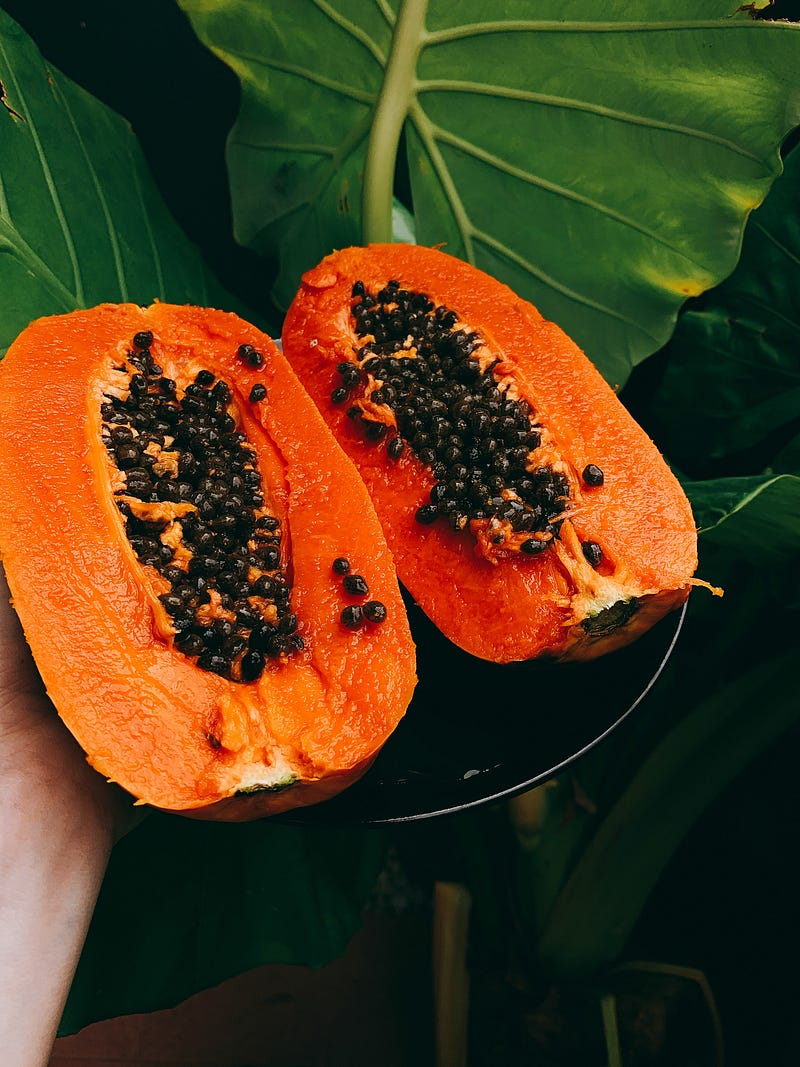
In my childhood, I lived between two countries and two cultures, which meant two totally different sets of food. In Honduras, we had a maid who did most of the cooking. We had no precooked foods and fruit abounded. There were always bananas, oranges, fresh coconuts, mangosteens, star-apples, soursop, mangos, papaya, and more. Dad worked with Standard Fruit Company, and although bananas were their main export, he was often given other fruit as well; a vast abundance was also available at the market.
We always had a cook, and our Mum would teach them some of her favorite recipes, among them, homemade bread. “Bought bread,” already sliced, was special for me, because we only had it occasionally. Precooked foods were basically unavailable and unnecessary. Our cooks added their knowledge of local cuisine, such as fried plantains or refried red beans. Sometimes we would purchase fat tortillas, patted out by hand, or Honduran enchiladas, which I later discovered were similar to Mexican tostadas but smaller.
Mum was influenced by her American-Canadian background and would teach us girls to make banana bread and other baked goodies, including those traditional Christmas cookies that were so much fun to decorate. Any “fancy” additions, such as colored sprinkles, would have to be bought in Canada, where we spent summer vacation.
A local treat was crispy sheets of cassava bread, toasted in the oven, with melted butter on top, and sometimes parmesan cheese. It was made in small Carib villages and offered from house to house. I imagine dark hands grinding the flour on stone metates after the poison had been removed from the cassava. I vaguely remember their strange-to-my-ears language, a mixture of African and Caribbean languages, which I would hear during special festivals when they danced in the streets.
Once, on a trip to the beach, I spent an hour or two digging in the wet sand as the waves receded, to discover tiny clams, as they wiggled to get further down. Although I personally wasn’t fond of clams, I knew my Dad loved them, and he was quite pleased by my efforts when I learned to make clam chowder.
Christmas time brought an opportunity to receive items that weren’t easily available, even imported apples in our stockings. There, too, we usually found goodies such as Cheetos and imported mints. Sometimes I opened gifts of Jiffy peanut butter or dill pickles. Foods taken for granted elsewhere became special treats.
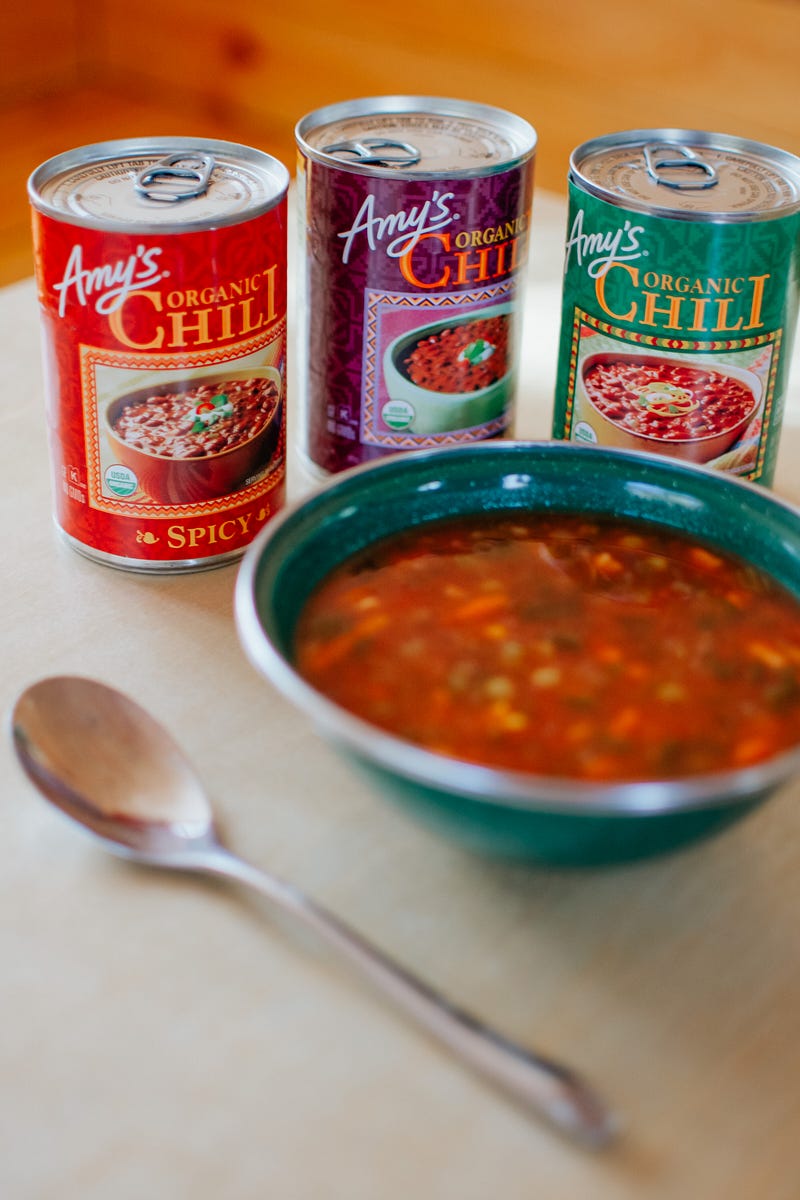
Our summers in Ontario brought a complete change in the daily menu. I became fond of the prepared foods that made life with a family of six — and no maid — so much easier. My childhood memories include canned Chef Boyardee spaghetti, Kraft cheese dinner, Campbell’s bean soup, and chop suey created with leftover meat, a few veggies, and canned items: limp bean sprouts, crisp noodles, and water chestnuts. Captain Crunch, Shreddies, and a variety of cereal brands were a welcome change to nothing much besides Corn Flakes. Smooth store-bought peanut butter was a treat; in Honduras, we used a manually-operated meat grinder to make our own, naturally chunky.
We always looked forward to one Canadian specialty, adopted from Britain: fish and chips, purchased at a small shop nearby, wrapped in greasy newspaper. The flaky, hot fish in its thick batter was scrumptious. Sometimes we followed local preferences and sprinkled some vinegar on our “chips” or fries.
We grew up learning to appreciate the best of two worlds. Only in the summer did we get to enjoy hot, buttered yellow corn, juicy berries, or flaky pies on a frequent basis. Pies were a specialty of our Canadian grandma, and before Mum married Dad, his aunts insisted that she learn to make them!
That doesn’t mean, of course, that we only ate pre-cooked food and baked goods in Canada, but I actually looked forward to the change in our diet.
Only many years later did it dawn on me how fortunate I was to have “real food” and fresh fruit most of the year round and to have the advantage of becoming familiar with Latin American cuisine in its original context.
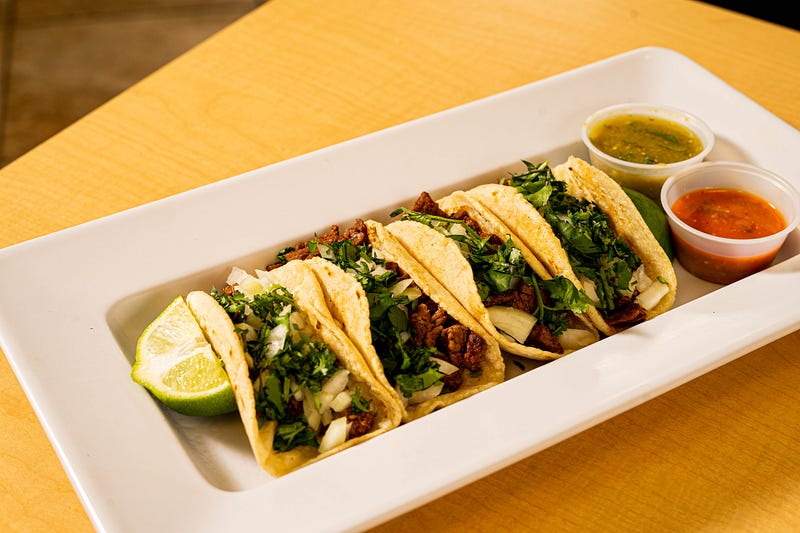
Now I have lived in Mexico for a large chunk of my life. When Mexicans ask if I cook “typical Canadian food,” I answer that it’s hard to pick out anything unique. I might cook an occasional meatloaf with baked potatoes, but also love to fix stir-fries, quiche, and lasagna, among other dishes. Then too, I’ll sometimes prepare Mexican specialties, especially the simpler ones, such as tostadas (crisp fried tortillas with toppings) and quesadillas (tortillas filled with melted cheese). And I love to order typical foods when I eat out.
Oh yes, as you might suspect, my family and I find it hard to live without chile!
Two languages, at least three cultures, and several cuisines have enriched the scope of my life.


