
Best Things To See in Nájera, Spain
It’s not just all about the wine
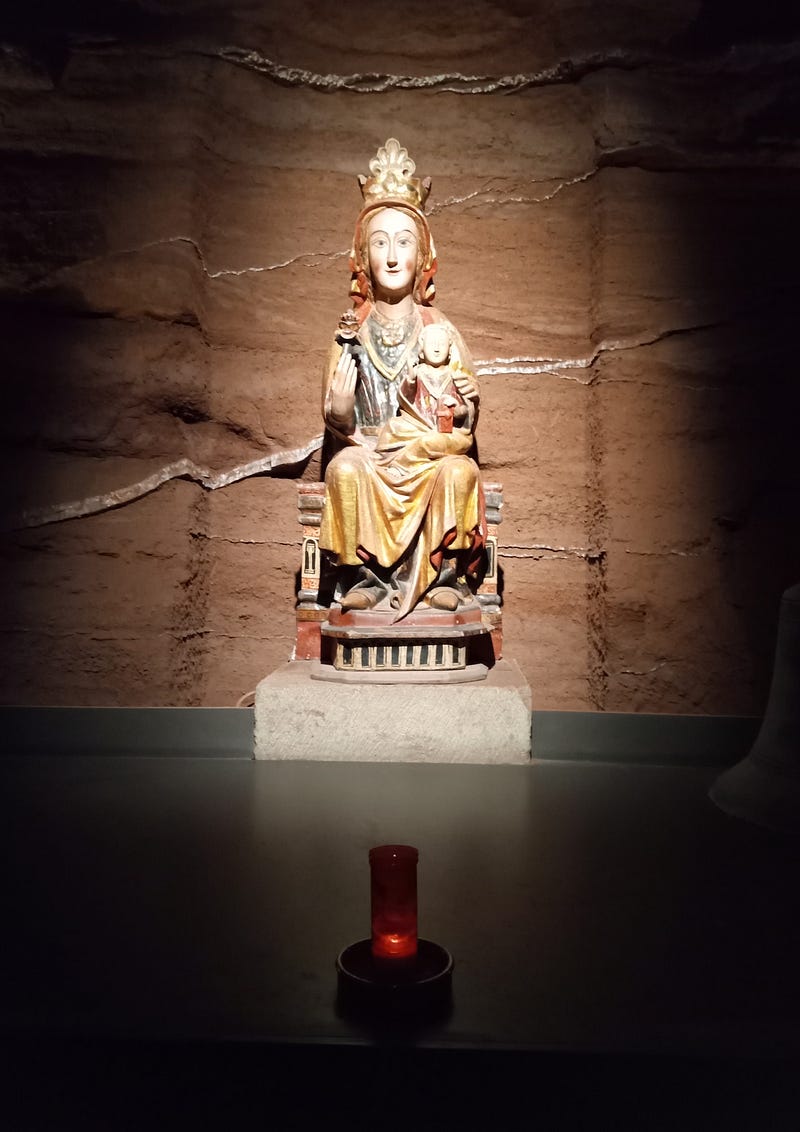
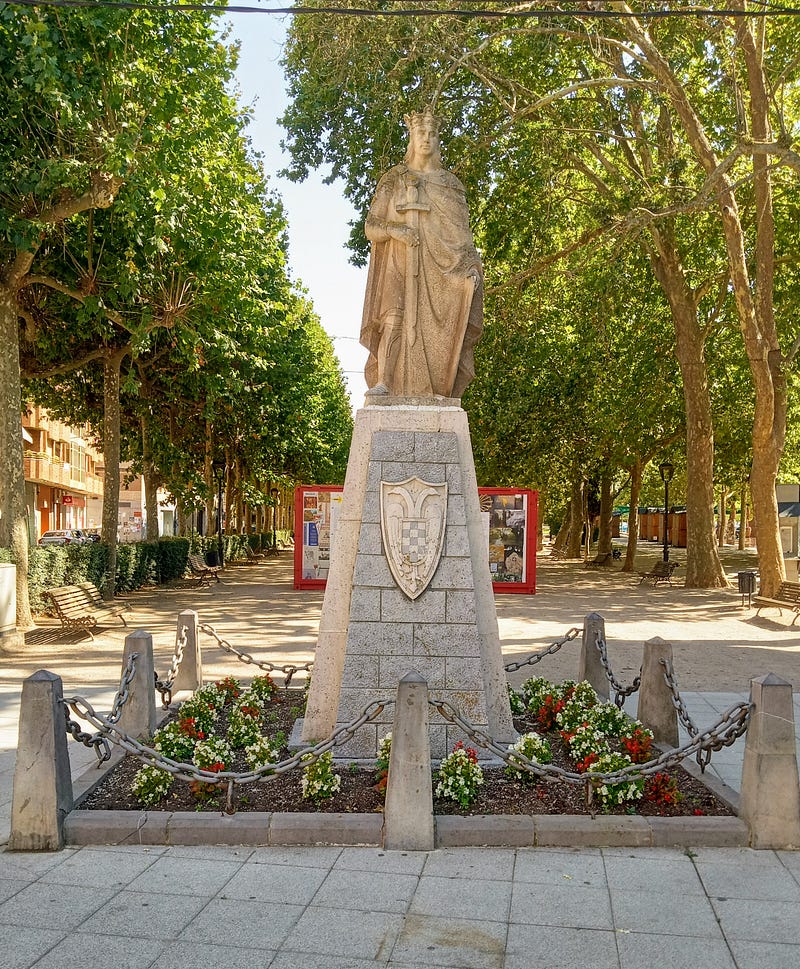
Legend has it that in 1044, King García, while out hunting, followed his hawk into a nearby cave. As he went looking for the bird, a beautiful image of the Virgin Mary appeared, with a lamp, bell and bouquet of lilies.
The King attributed his success in subsequent wars against the Muslims to this discovery and as a thankyou, began construction of the temple of Santa Maria la Real.
Everything in the town of Nájera seems to pay homage to this story.
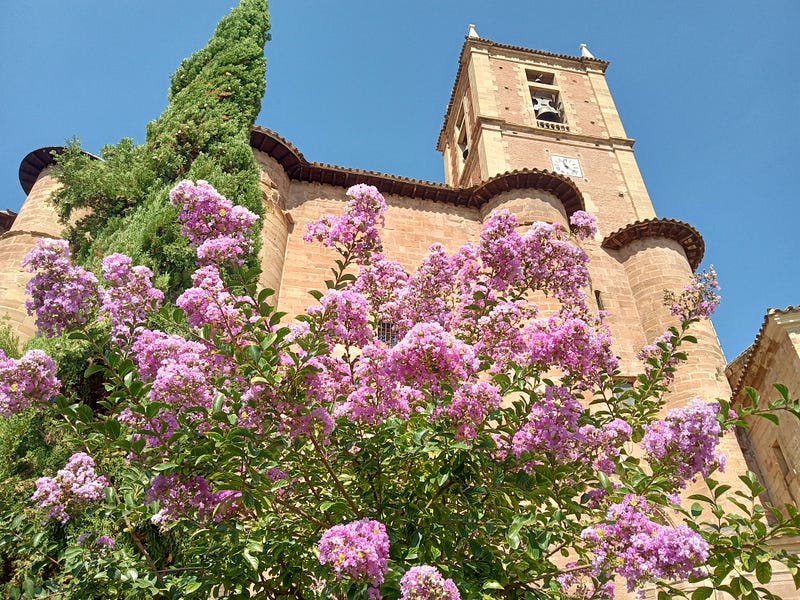
Nájera, a small town of just over 8,000 in the famous wine-making region of La Rioja, Spain, is a popular stop along the French Way of the Camino de Santiago.
I stayed here overnight on my Camino in 2017, but by the time I arrived in town, I was so exhausted from walking, I only had the energy to sit myself down on a terrace overlooking the river and sample a glass of the local specialty. I wasn’t too concerned with seeing the sights.
Returning five years later to work as a hospitalera in Nájera’s Municipal Albergue for two weeks, I had plenty of time to explore the town and surrounding region and, as it turns out, there are many wonderful things to see and do here.
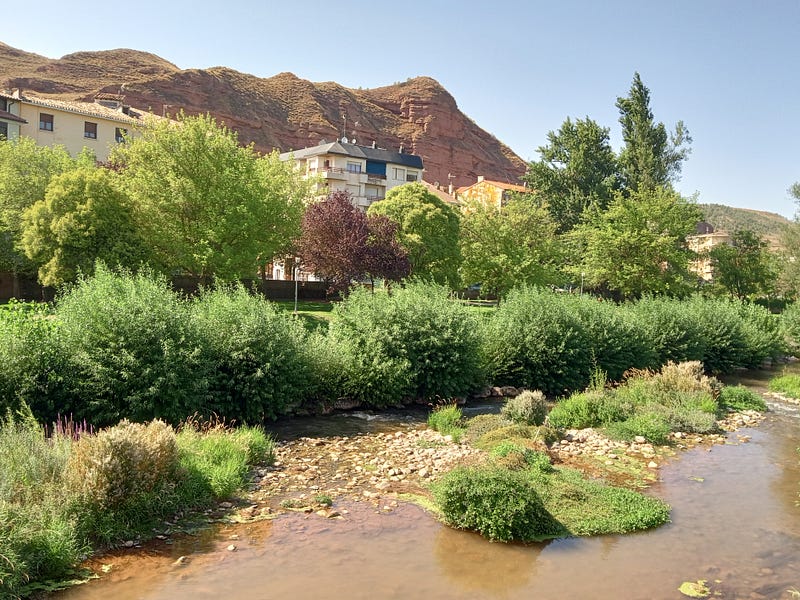
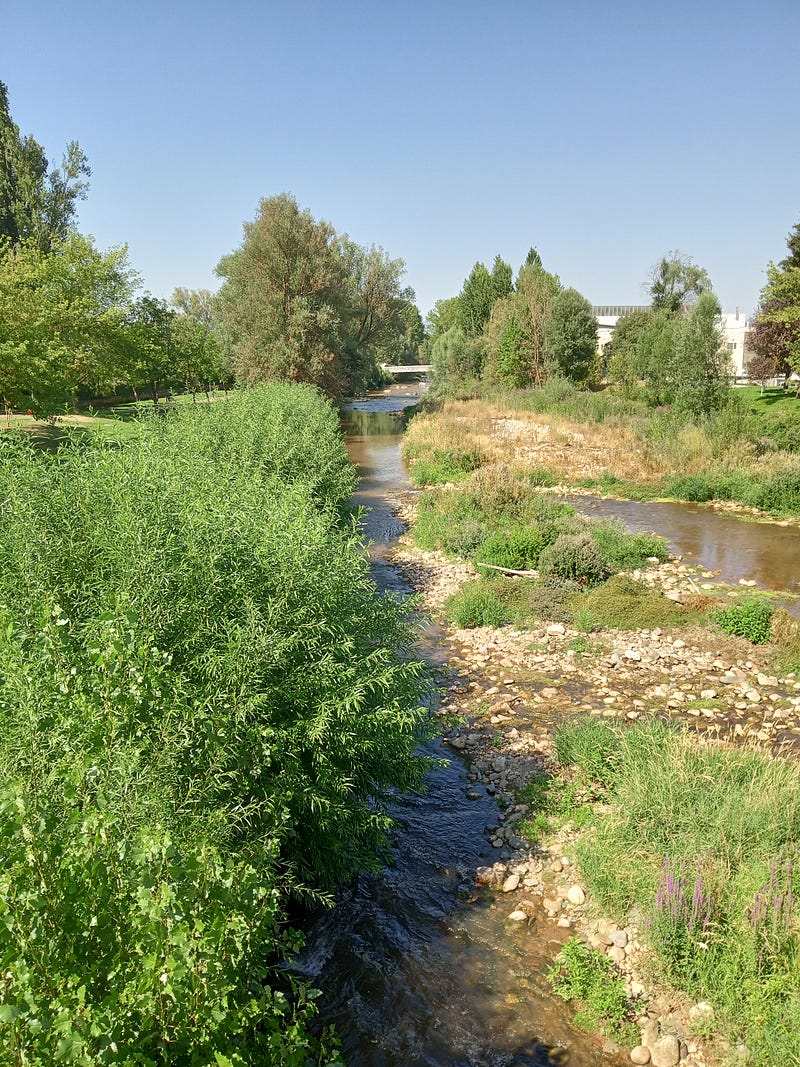
Like all over Spain, Nájera can be traced back to pre-Roman times when the town was called Tritium. The modern-day town of Tricio also occupies this land. Once the Muslims conquered the area, they named the town Naxara, meaning “town between the rocks”, and this is from where the name Nájera was derived.
The Caves
As you cross the Najerilla River, over the historic San Juan de Ortega bridge, you will notice that the town, true to its ancient name, is protected by commanding terracotta-coloured rock formations.
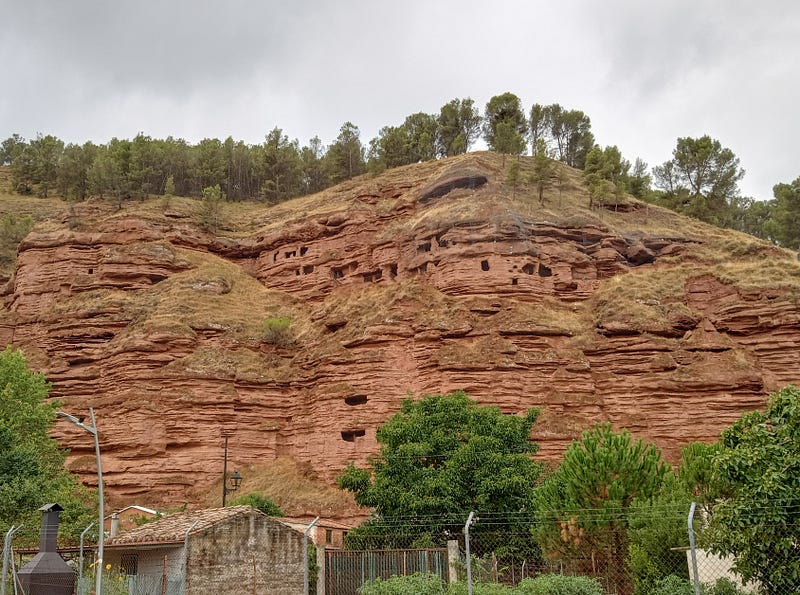
Look closely and you will see small alcoves carved into the rock. They reminded me of a smaller and simpler Cappadocia in Turkey, but they served the same purpose.
In the 11th Century, these caves were used as safe shelters and warehouses by the inhabitants of Nájera. I could only imagine what life must have been like for them in these caves, but in the intense Riojan summer heat, I am sure it would have been a somewhat nice reprieve.
Today, in order to preserve these caves, a guided tour must be reserved through the tourist information centre. The tours are only given in Spanish at 11:00 AM on Saturdays, so plan your time accordingly. They are well worth a visit, even if your Spanish needs some work like mine does.
If you aren’t in town on a Saturday to get inside the caves, once the sun goes down, take a look upwards and you will see these caves beautifully floodlit. It’s magical.
Monastery and Church of Santa Maria la Real
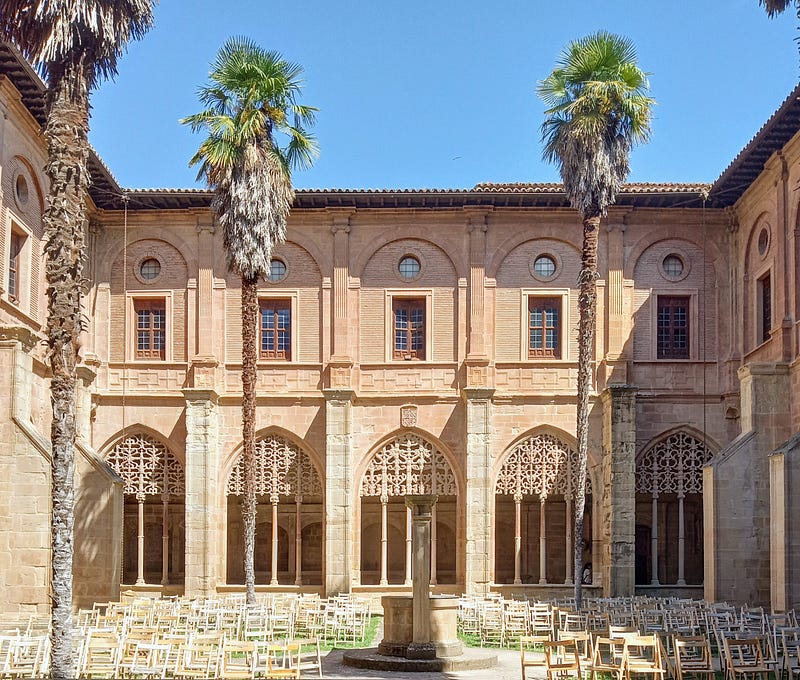
The monastery and church of Santa Maria la Real is Nájera’s gem and my favourite place to visit in town.
It has a rich history dating back to the 11th Century and has survived countless ebbs and flows of decay and rebirth.
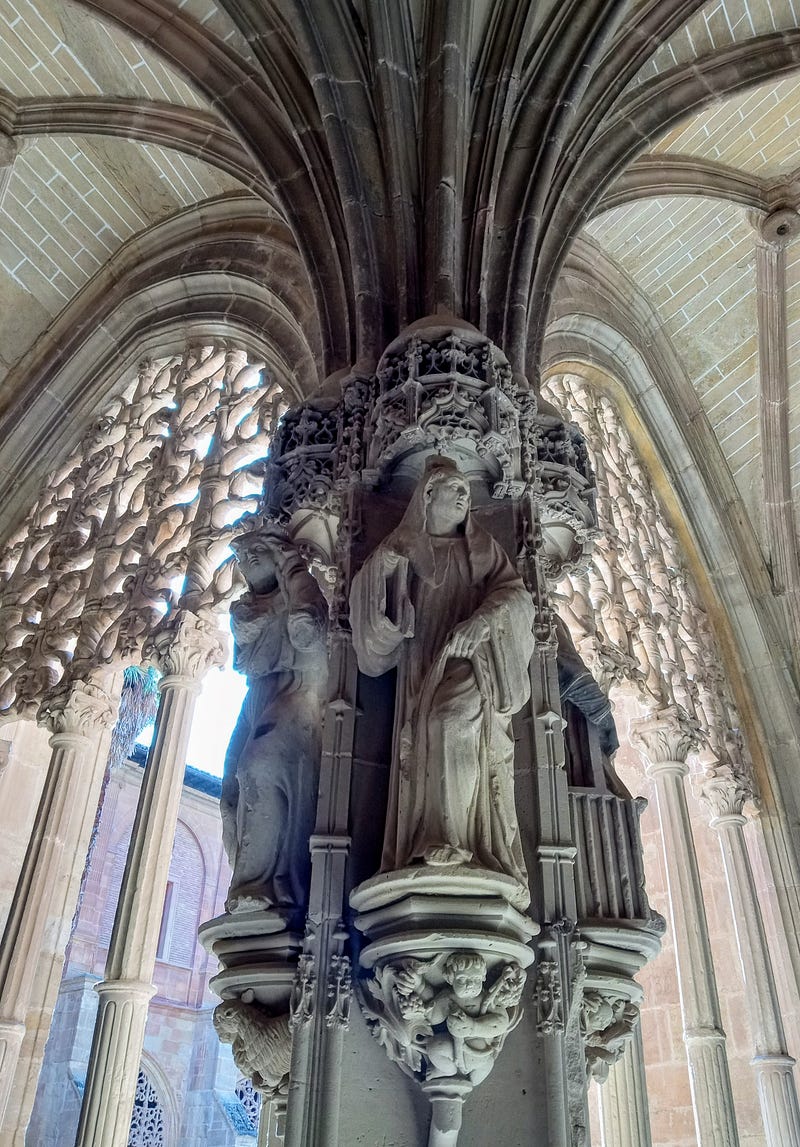
There is a beautiful mix of architectural styles in this building, from the simple Romanesque exterior to the ornate Gothic vaults in the monastery.
The choir’s intricate woodwork is the real draw of this church. Done between 1493 and 1495, the scenes highlight daily life, famous people of the time and religious symbols. If I understood correctly on my tour, again, given only in Spanish, this was very difficult wood to work with, so the detail and craftsmanship are rather astonishing.
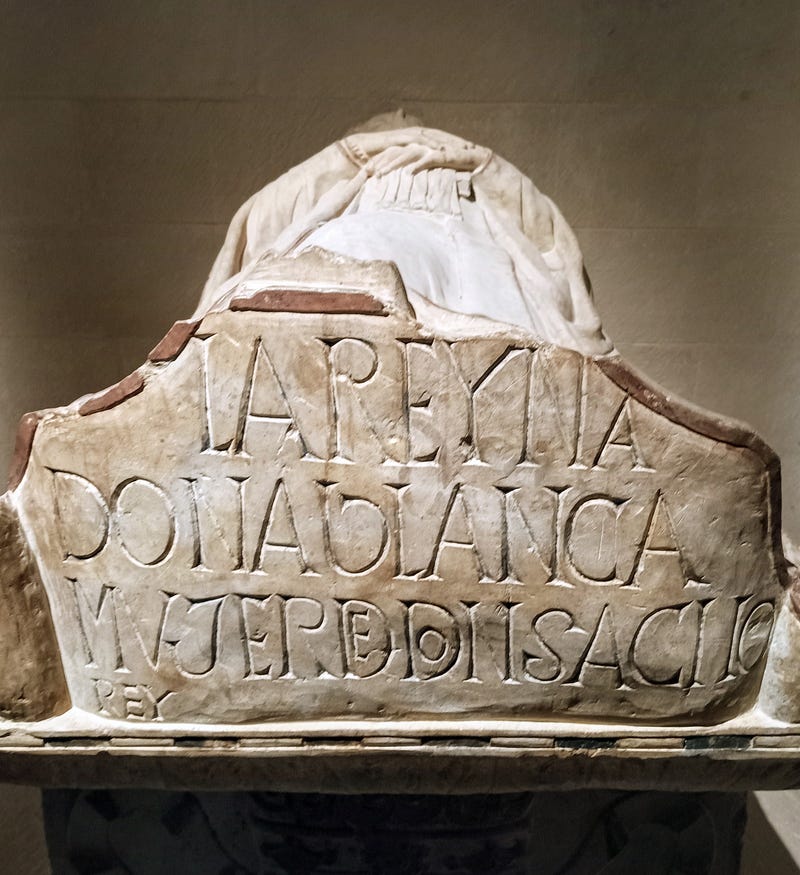
As with many churches of this magnitude, you can visit the tombs of some of the city’s most famous residents. Located just outside the chapel containing the statue of the Virgin Mary, a line of grand funerary chests are the resting places of the kings and queens of the region.
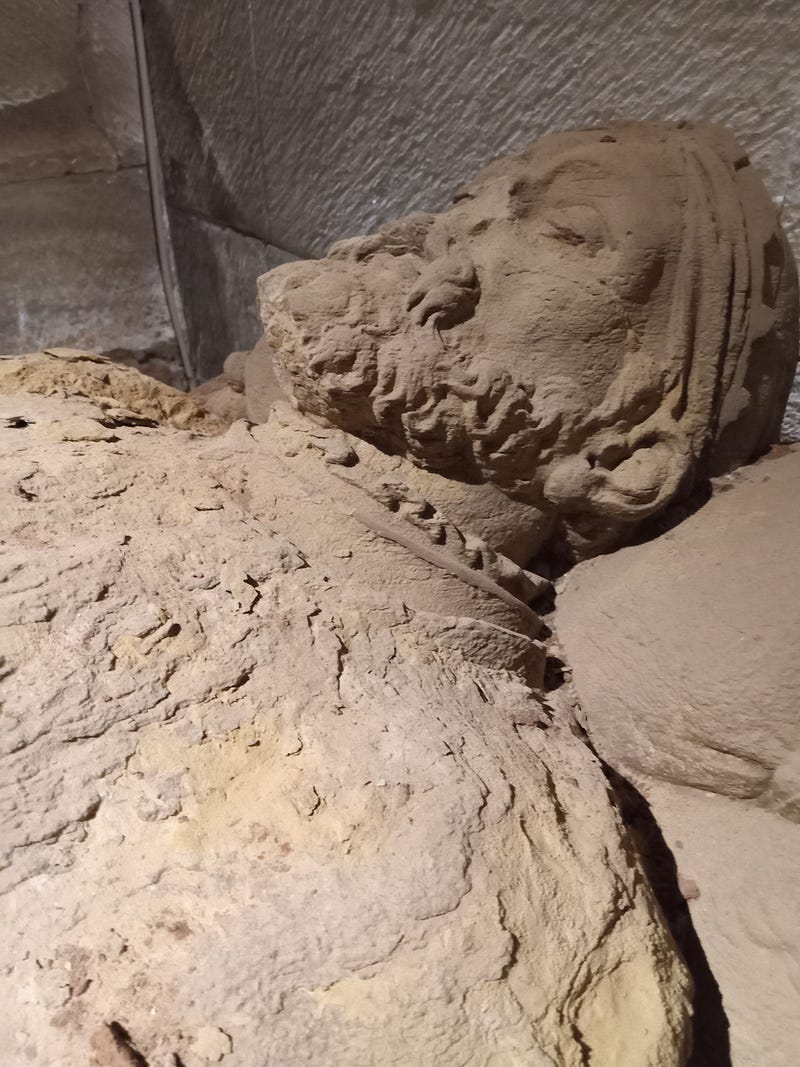
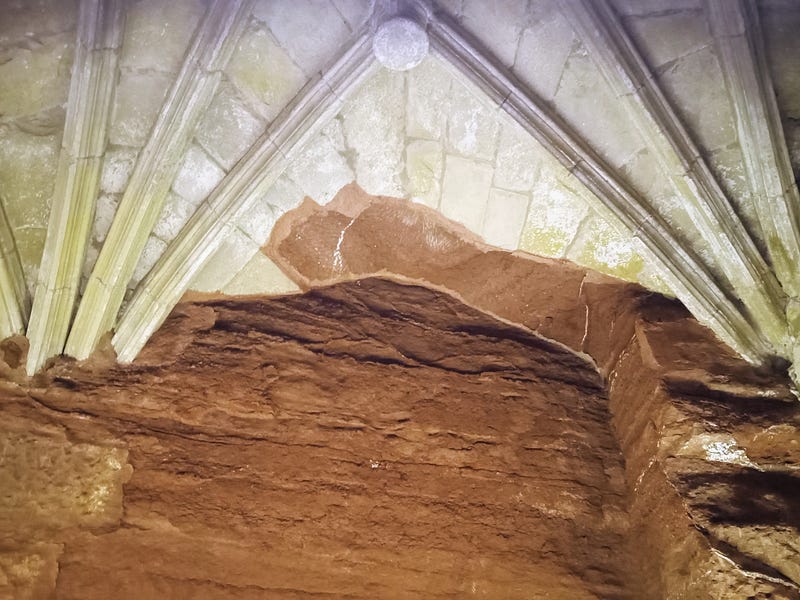
The most ethereal part of this building is the cave containing the statue of the Virgin. It is miraculous to see how this structure was built from the rock, and the glow of the light shining on Mary gives an other-worldly feel. Stand here in silence for a moment.
Plaza Navarra, where the Santa Maria la Real is located, is the beating heart of the town. Any festivity going on in town will happen here. One night, I attended a beautiful concert outside of the church. The stage and audience were set up all around it and coloured lights radiated off the side of the church once the sun went down. I love to see historic sites incorporated so beautifully into modern life.
History and Archaeology Museum
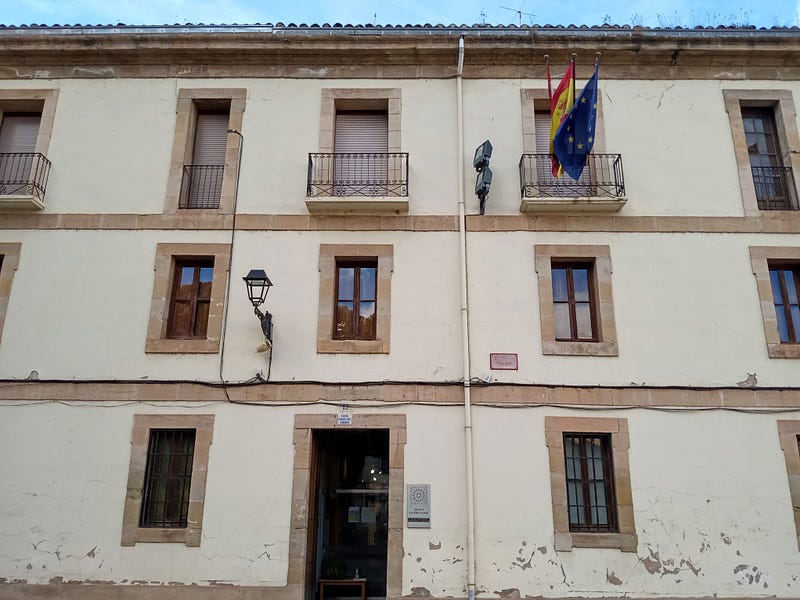
Located next to Santa Maria la Real is the delightful History and Archaeology Museum Najerillense.
This building dates back to the 18th Century and was first built as a residence for the abbot of the monastery.
In 1785, an apothecary was installed on the ground floor, adjacent to an orchard used to cultivate medicinal plants and herbs. The entranceway and ceiling of the old apothecary are adorned in remarkable, ornate frescoes, still well-preserved from that time.
In 1835, this building would become the city jail and was used for this purpose until 1979. One of the most fascinating pieces in this museum is the substantial wooden jail door, covered in graffiti carved by the bad guys of the past. The oldest inscription reads Manuel Díez de Anguiano, year 1845.
The collection of ancient artifacts in this museum dates back all the way to prehistoric times through to the Medieval era. It is a simple yet fascinating journey through the early centuries of the city’s history.
Parroquia de la Santa Cruz
Even if you’re not a pilgrim, attend a daily pilgrims mass here at the Parroquia de la Santa Cruz and soak in the Camino spirit in this historic little church.
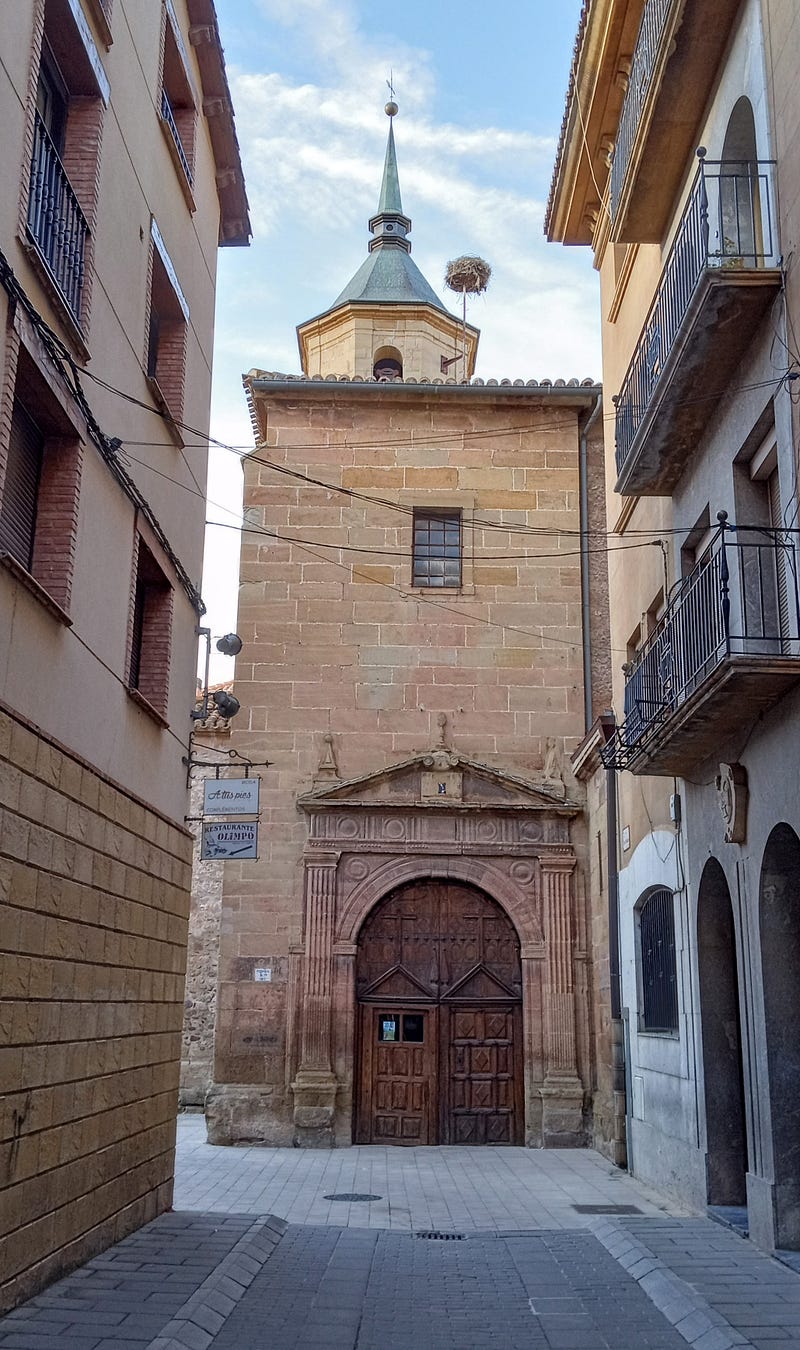
It dates back to the 10th Century when it was originally located in a chapel within the neighbouring monastery. Conflicts arose between the clerics and the monks, and a new church (this one) began construction in 1522. It was completed in 1644.
I never get tired of seeing the nests perched on the rooftops of these rural churches, and this one is a beauty.
Thursday Market
Markets are a highlight of any place. They are the perfect opportunity to get a taste of local life and mix and mingle with the residents. Small-town markets are especially entertaining because everyone knows everyone and that’s just really fun to watch. And in Spain, you never know if they’re happy to see each other or arguing!
Sit back and survey the scene.
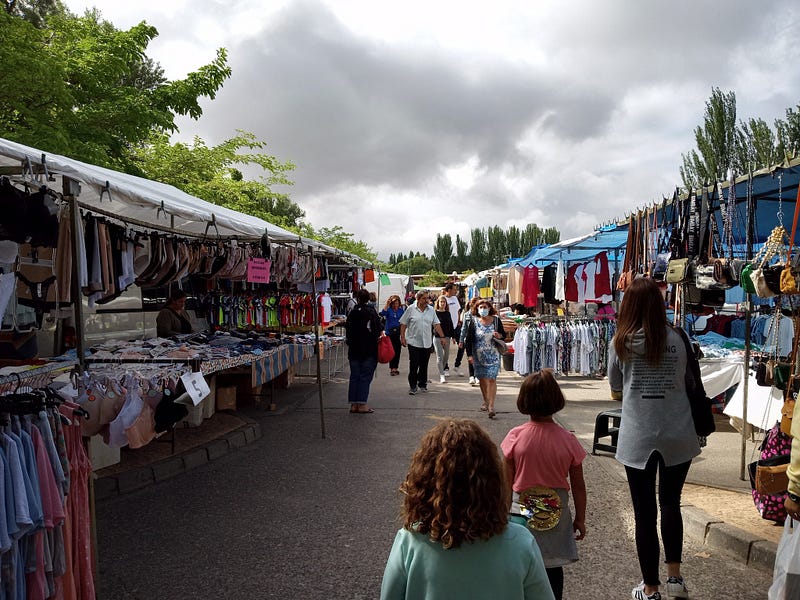
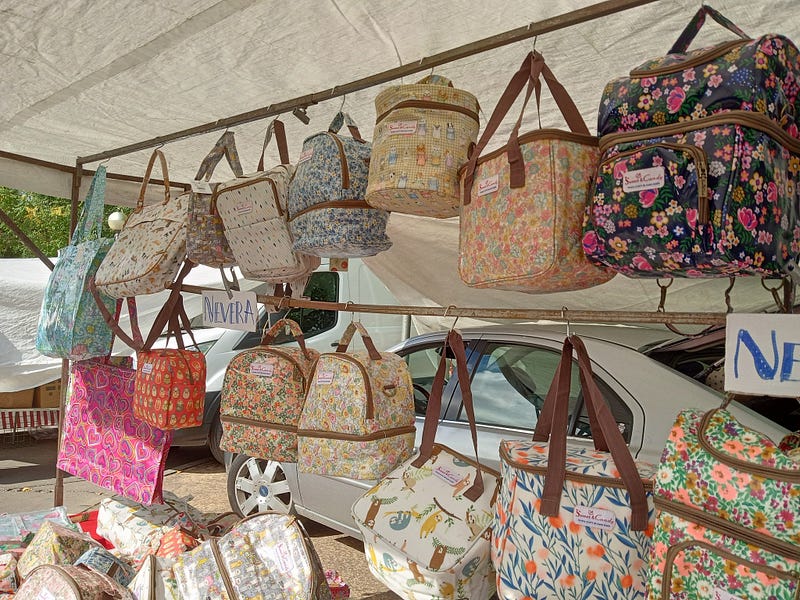
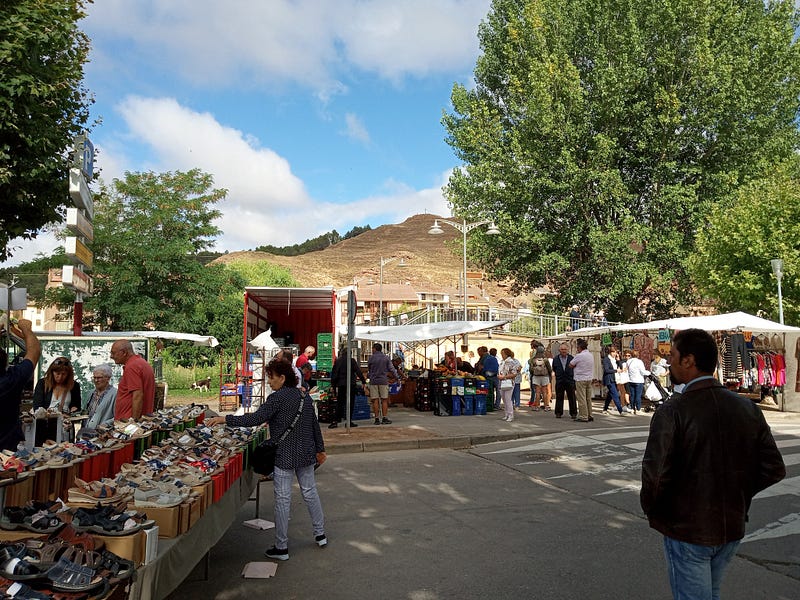
Every Thursday, all of Nájera put on their Thursday best — they get seriously dressed up — and venture across the river from the Old Town to meet with friends and browse the stalls of clothing, shoes, purses and jewelry. The children and myself, in the meantime, line up at the churros truck to grab a generous portion of fried dough and a cup of chocolate.
This market is more enjoyable for the local scene rather than for what’s on offer. It’s mostly knock-offs, although you can find some cute clothes. And while there are food stalls, those are pretty limited.
The churros are highly recommended though.
Mingle with the Locals
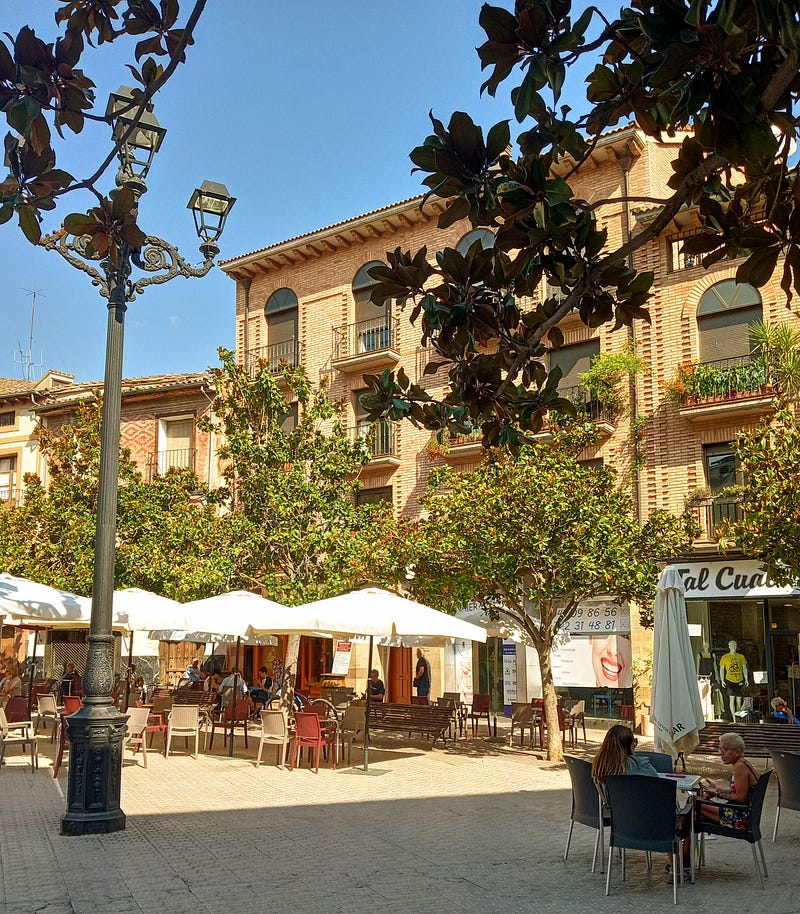
When I first arrived in Nájera, I went to get some dinner at a local restaurant. I was alone and made the mistake of sitting at a table with three chairs because I liked the location of the table. The gentleman running the place grumpily told me off and made me move to a table with two chairs.
I was going to give him a lecture about discriminating against singles and how my bag did, indeed, need a chair to itself, but didn’t get the vibe that he would be too receptive nor did I know how to say any of that in Spanish. Plus, I guess I kind of understood that he needed the chairs more than I did.
Working in a Camino town is hard work. Pilgrims, although they are meant to be on a spiritual pilgrimage, don’t always behave as such. I discovered this first-hand with my volunteer work. I can understand how that could take its toll on the local people and why they might come off as cold and impatient.
Over the course of two weeks, I would continue to go to this same restaurant (mainly because they served full meals during the hours we Canadians typically eat) and Juan Carlos and I would eventually go from mortal enemies to good friends.
I found that to connect with the locals in these towns, be kind and polite. Introduce yourself. Ask questions and approach them with curiosity and they will reciprocate with warmth and kindness and maybe even a free glass of wine or two.
Wine
La Rioja is THE wine region of Spain and there are several bodegas in and around the area where you can book a tour and sample the different flavours. I don’t think you could be disappointed by any of them as the wine from this area is really, really good.
Nájera is a town I would never have heard of if it weren’t for my time on the Camino de Santiago, but it’s a place I am so happy I got to know.
While I couldn’t live in a small town like this (yet…but I’m getting there), I appreciated the simple and peaceful way of life, and the connection that naturally forms among its citizens.
I loved that seniors were the most visible people in town, out late at night, playing board games over a glass of wine and spending time with their loved ones.
They are the backbone of this community.
I was in awe at how everyone dressed up every time they left the house. I felt both sadness and joy that death notices were posted up around the town so everyone could be informed of a resident’s passing.
There is true pride here. A true community here. Everyone is involved and everyone is family.
While you can’t beat Madrid or Barcelona for a great time in Spain, smaller towns are delightful places to include in your itinerary and will certainly provide an unforgettable experience to participate in real Spanish life.
If you’ve enjoyed this story, there is plenty more where that came from! For $5/month, you can get unlimited access to my stories and thousands of others on Medium. Sign up for a membership and a portion will go to support my writing! Thank you!! https://medium.com/@cattravelwriting/membership